IVF Blood Test Complete (Women)
Everything in the IVF panel plus full thyroid, preconception nutrients, progesterone and CMV immunity.
Add to your order
No referral needed
Added to your order
Click the button to view your cart
Included Markers
26 markersThis is our most complete female IVF panel. Alongside the standard IVF intake markers, it adds the tests that fertility specialists often value for optimising a cycle: a fuller thyroid assessment, preconception nutrients, luteal progesterone and CMV immunity.
Why the complete panel?
Subclinical thyroid problems and thyroid autoimmunity can influence fertility and early pregnancy, which is why this panel measures Free T4 and TPO antibodies in addition to TSH. Preconception nutrient status (Vitamin D, Folate, Vitamin B12 and Ferritin) is worth knowing before a cycle, and CMV immunity is useful context for preconception care. As with all our tests, the results are intended to support the care of your fertility clinic or doctor.
Who is this test for?
This panel may suit women who:
- Want the most thorough preconception and IVF blood work in one visit
- Have a history of thyroid issues or want a full thyroid picture
- Want to check nutrient status before starting a cycle
- Prefer to arrange comprehensive testing without a referral
What is tested?
Everything in the IVF Blood Test, plus:
- Full thyroid: Free T4 and TPO antibodies (added to TSH)
- Preconception nutrients: Vitamin D, Folate, Vitamin B12 and Ferritin
- Cycle: Progesterone (best measured in the luteal phase)
- Immunity: CMV (cytomegalovirus)
The base markers are: AMH, FSH, LH, Estradiol, Prolactin, TSH, complete blood count, blood group with Rhesus, D-dimer, HIV, Hepatitis B and C, Syphilis, Rubella, Toxoplasmosis, Varicella and Chlamydia IgG.
How is the sample collected?
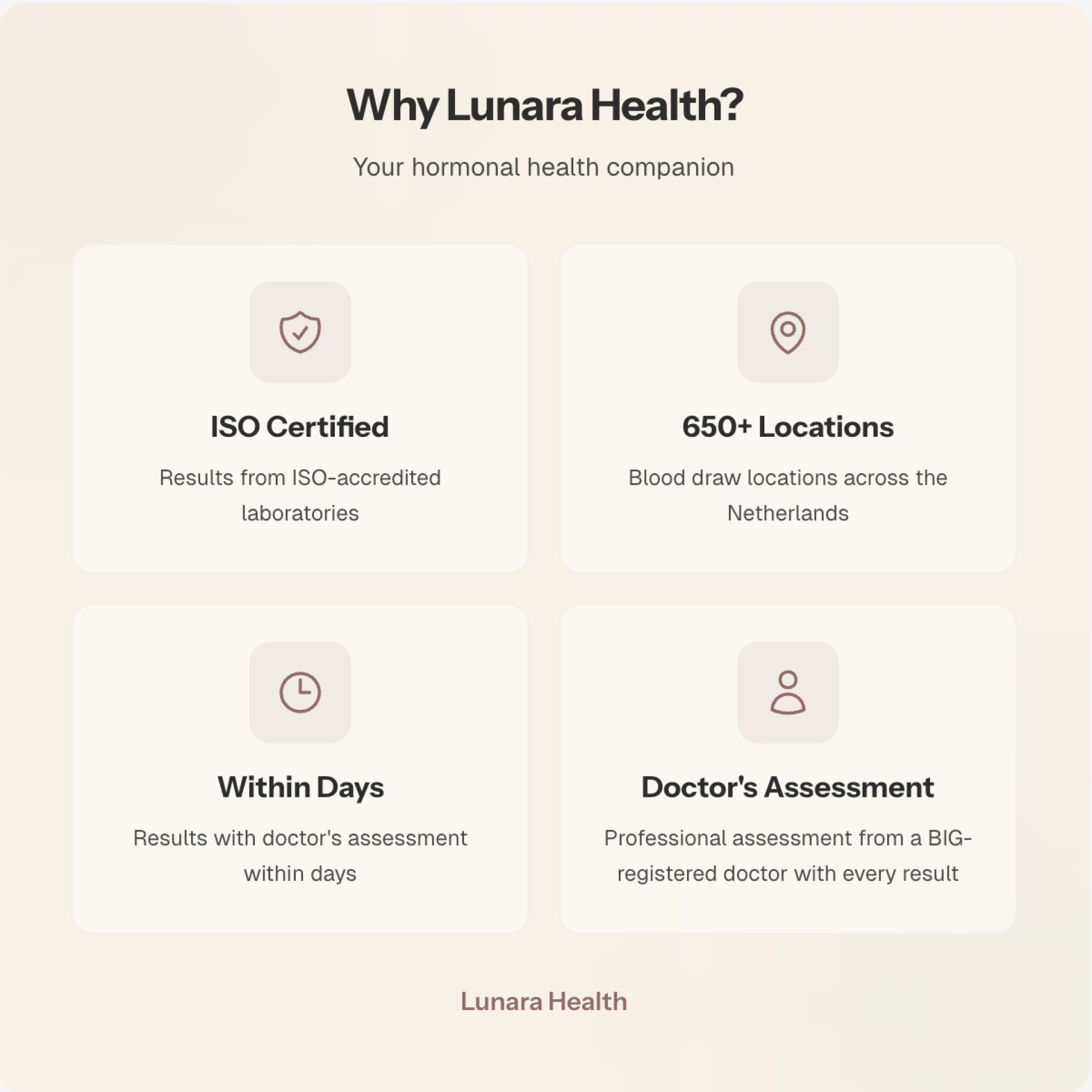
A single blood draw at a certified sample point (afnamepunt), with over 750 locations across the Netherlands. You choose a location and plan your visit after ordering.
Preparation
For FSH, LH and Estradiol, cycle day 2 to 5 is preferred. Progesterone is most informative in the luteal phase (around 7 days after ovulation). AMH and the screening tests can be done at any time. No fasting is required.
What happens after the results?
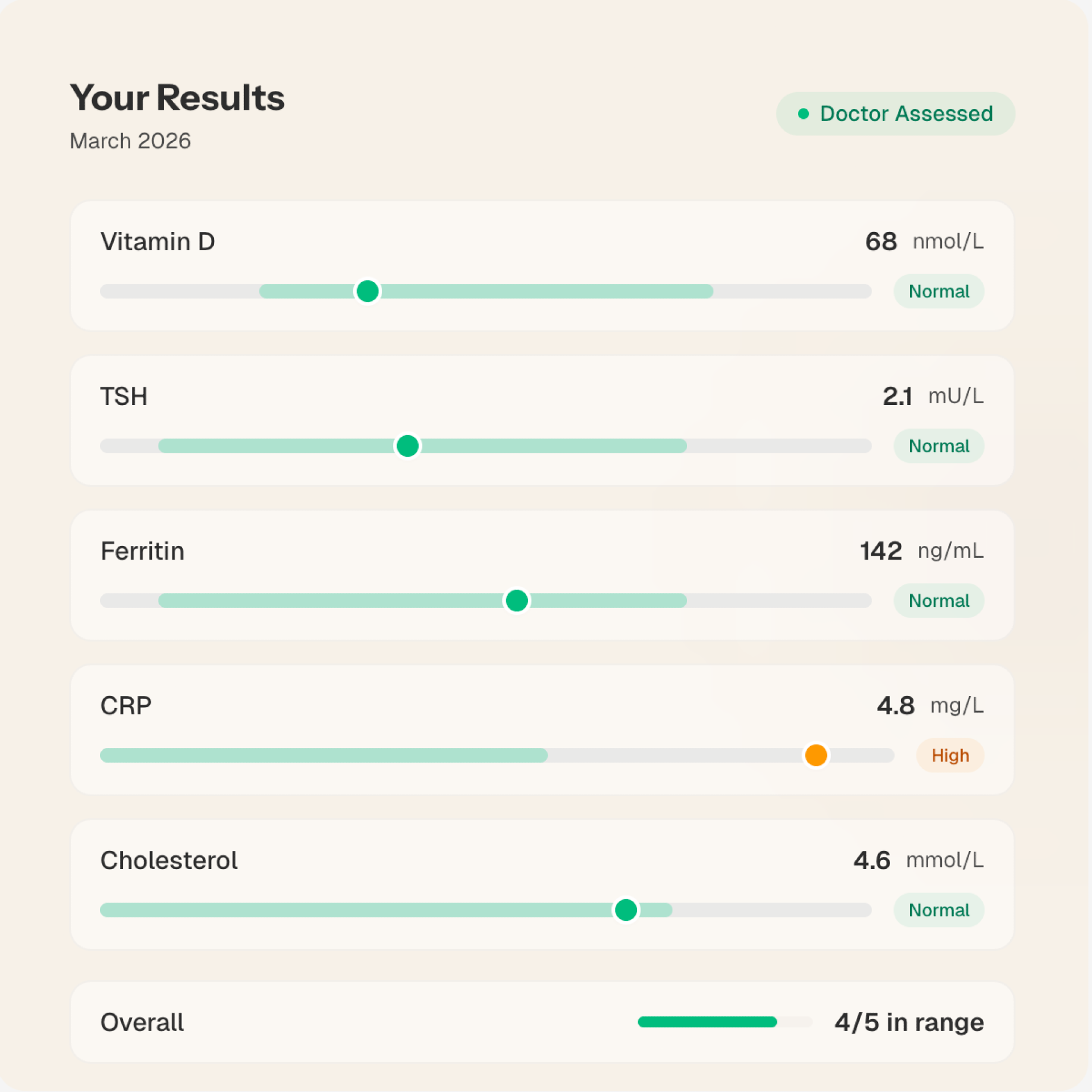
Results are usually available within a few working days, each shown with your value and the reference range. Share them with your fertility clinic or doctor for interpretation within your treatment plan.
Frequently Asked Questions
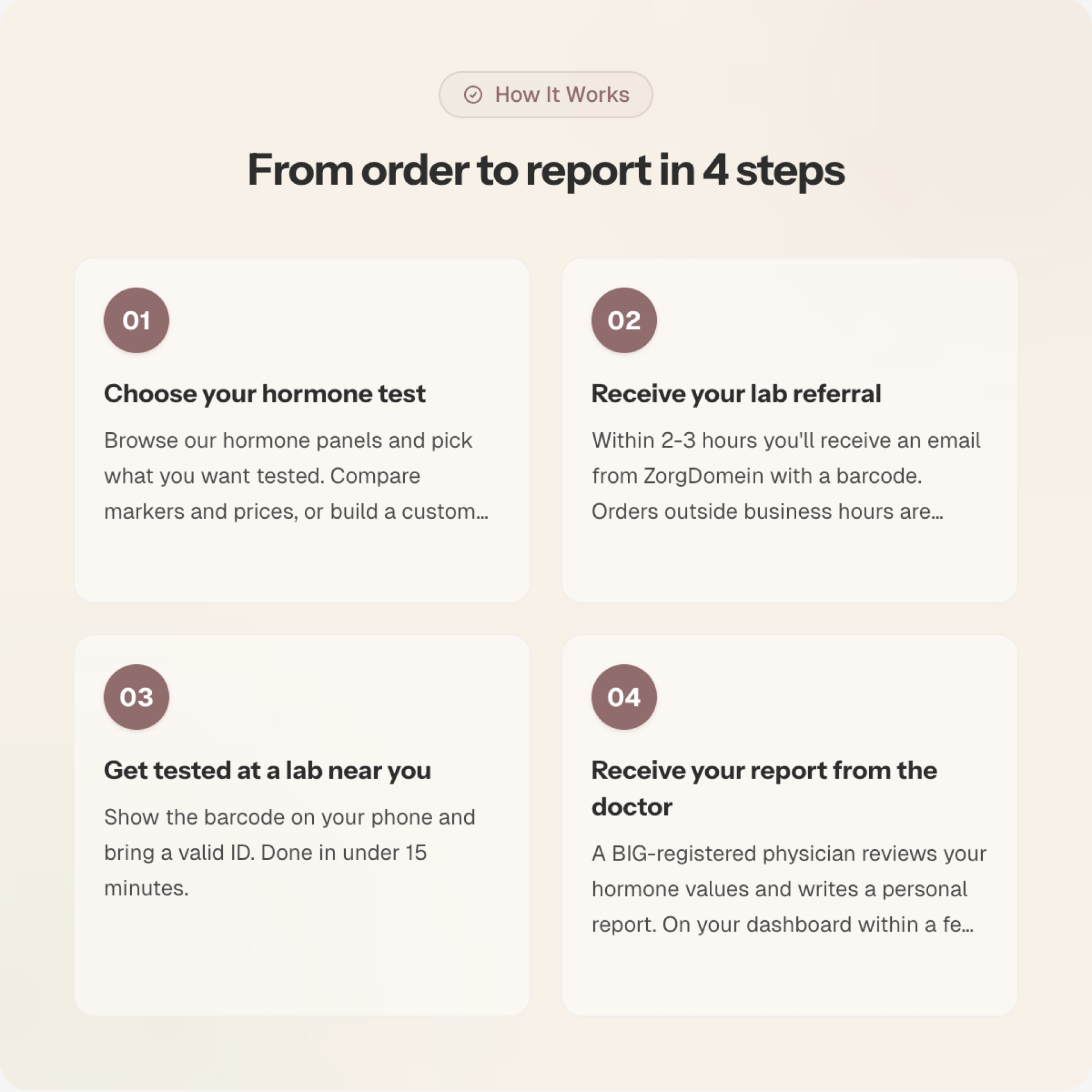
From order to report in 4 steps
A hormone test without referral: test when you want, not only when symptoms are severe. No waiting list, just order and go.
Choose your hormone test
Browse our hormone panels and pick what you want tested. Compare markers and prices, or build a custom test.
Receive your lab referral
Within 2-3 hours you'll receive an email from ZorgDomein with a barcode. Orders outside business hours are processed the next business day.
Get tested at a lab near you
Show the barcode on your phone and bring a valid ID. Done in under 15 minutes.
Receive your report from the doctor
A BIG-registered physician reviews your hormone values and writes a personal report. On your dashboard within a few business days.
Choose your hormone test
Browse our hormone panels and pick what you want tested. Compare markers and prices, or build a custom test.
Receive your lab referral
Within 2-3 hours you'll receive an email from ZorgDomein with a barcode. Orders outside business hours are processed the next business day.
Get tested at a lab near you
Show the barcode on your phone and bring a valid ID. Done in under 15 minutes.
Receive your report from the doctor
A BIG-registered physician reviews your hormone values and writes a personal report. On your dashboard within a few business days.
Always a location near you
With more than 650+ certified phlebotomy points across the Netherlands.
What We Test
This test includes 26 biomarkers to give you a comprehensive health picture.
AMH (Anti-Müllerian Hormone) is produced by cells in the ovarian follicles. It is widely used as a marker of ovarian reserve, reflecting the remaining egg supply and overall reproductive potential.
Learn moreEstradiol (E2) is the most potent form of estrogen, playing a key role in reproductive health, bone density, and cardiovascular function. Abnormal levels may indicate hormonal imbalances that your healthcare provider can help evaluate.
Learn moreFollicle-stimulating hormone (FSH) is produced by the pituitary gland and plays an essential role in reproductive function. It regulates egg development in women and sperm production in men. Abnormal levels may indicate changes in fertility or hormonal health.
Learn moreAn LH blood test measures luteinizing hormone, a pituitary hormone essential for reproductive function. LH plays a key role in triggering ovulation in women and stimulating testosterone production in men.
Learn moreA progesterone blood test measures the level of progesterone, a hormone essential for the menstrual cycle and pregnancy. Progesterone is primarily produced by the ovaries after ovulation and plays a key role in preparing the uterus for implantation.
Learn moreA prolactin blood test measures the level of prolactin, a pituitary hormone primarily known for its role in lactation. Prolactin also influences reproductive function, immune regulation, and metabolic processes in both men and women.
Learn moreFree T4 (thyroxine) is the main hormone produced by the thyroid gland. It may serve as a precursor that your body converts into the more active T3. Healthcare providers often consider Free T4 a primary indicator of thyroid gland output.
Learn moreTPO antibodies target the thyroid peroxidase enzyme involved in thyroid hormone production. Elevated levels may indicate autoimmune thyroid conditions such as Hashimoto's thyroiditis. Your healthcare provider can help determine what your TPO antibody results mean for your health.
Learn moreThyroid-stimulating hormone (TSH) is produced by the pituitary gland and serves as the master regulator of thyroid function. TSH levels may help indicate whether the thyroid is producing appropriate amounts of hormones. Your healthcare provider can interpret your TSH results.
Learn moreFolate, also known as vitamin B9, is a water-soluble vitamin involved in cell division and DNA synthesis. Adequate folate levels are considered important for overall health and may be particularly relevant during periods of rapid growth.
Learn moreVitamin B12 is considered essential for red blood cell formation, neurological function, and DNA synthesis. Deficiency may develop gradually and is sometimes associated with dietary patterns. Healthcare providers can help interpret your results.
Learn moreVitamin D is a fat-soluble vitamin that plays a key role in calcium absorption, bone health, and immune function. It is primarily produced in the skin through sunlight exposure and can also be obtained from certain foods and supplements.
Learn moreFerritin is a protein that stores iron in your cells and releases it when your body needs it. Blood ferritin levels reflect your body's total iron stores and are the most sensitive indicator for iron deficiency.
Learn moreThe Chlamydia IgG antibody test detects antibodies produced in response to a past Chlamydia trachomatis infection. A positive result indicates prior exposure but cannot distinguish between an active and a previously cleared infection.
Learn moreThe HIV Combo test is a fourth-generation test that detects both HIV p24 antigen and HIV antibodies simultaneously. This dual approach enables earlier detection compared to antibody-only tests, typically within two to six weeks after exposure.
Learn moreThe Syphilis Screening test is a treponemal-based test that detects antibodies specifically directed against Treponema pallidum, the bacterium that causes syphilis. Once positive, this test typically remains positive for life, regardless of treatment.
Learn moreA blood type test determines your ABO blood group and Rh factor. Knowing your blood type is essential for safe blood transfusions, organ transplants, and pregnancy planning.
Learn moreA complete blood count (CBC) is a comprehensive blood test that evaluates the major components of your blood: red blood cells, white blood cells, and platelets. It is one of the most commonly ordered blood tests and provides a broad overview of your overall health.
Learn moreA CMV IgG test detects IgG antibodies against cytomegalovirus (CMV) in your blood. A positive result typically indicates a past CMV infection and suggests that your immune system has developed long-term immunity to the virus.
Learn moreA Hepatitis B Core Antibody (anti-HBc) test detects antibodies produced in response to the core antigen of the hepatitis B virus. A positive result may indicate a current, past, or resolved hepatitis B infection and should be interpreted alongside other hepatitis B markers.
Learn moreA Hepatitis B Surface Antigen (HBsAg) test detects the presence of HBsAg in your blood, which is one of the earliest indicators of a hepatitis B infection. A positive result may indicate an active hepatitis B infection and should be evaluated by a healthcare professional.
Learn moreA Hepatitis C Antibody (anti-HCV) test detects antibodies produced by the immune system in response to the hepatitis C virus. A positive result indicates exposure to the virus but does not distinguish between a current or past infection. Further testing is needed for confirmation.
Learn moreA Rubella IgG test detects IgG antibodies against the rubella virus in your blood. The presence of IgG antibodies typically indicates immunity to rubella through past infection or successful vaccination.
Learn moreA Toxoplasmosis IgG test detects IgG antibodies against the Toxoplasma gondii parasite in your blood. The presence of IgG antibodies typically indicates a past infection, suggesting that you have been previously exposed and have developed an immune response.
Learn moreA Varicella Zoster test detects antibodies against the varicella-zoster virus (VZV) in your blood. This virus causes chickenpox (varicella) during initial infection and may reactivate later in life as shingles (herpes zoster). Testing helps determine your immunity status.
Learn moreD-Dimer is a fibrin degradation product released when blood clots are broken down. Elevated D-Dimer indicates that clot formation and breakdown (fibrinolysis) is occurring, but it is not specific to any particular condition. It is most commonly used to help rule out venous thromboembolism (DVT/PE).
Learn moreAMH (Anti-Müllerian Hormone)
HormonesAMH (Anti-Müllerian Hormone) is produced by cells in the ovarian follicles. It is widely used as a marker of ovarian reserve, reflecting the remaining egg supply and overall reproductive potential.
AMH is considered one of the most reliable markers of ovarian reserve. Lower levels may indicate a diminished egg supply, while higher levels could suggest conditions like PCOS. Always discuss results with your healthcare provider.
Estradiol (E2)
HormonesEstradiol (E2) is the most potent form of estrogen, playing a key role in reproductive health, bone density, and cardiovascular function. Abnormal levels may indicate hormonal imbalances that your healthcare provider can help evaluate.
Estradiol influences bone health, mood regulation, and reproductive function. Imbalanced levels could suggest conditions affecting fertility, menstrual regularity, or overall hormonal health. Discussing your results with a healthcare provider may help identify underlying causes and appropriate next steps.
FSH (Follicle Stimulating Hormone)
HormonesFollicle-stimulating hormone (FSH) is produced by the pituitary gland and plays an essential role in reproductive function. It regulates egg development in women and sperm production in men. Abnormal levels may indicate changes in fertility or hormonal health.
FSH is a key indicator of reproductive health and pituitary function. Elevated levels could suggest diminished ovarian reserve or primary gonadal failure, while low levels may indicate pituitary dysfunction. Discussing your results with a healthcare provider may help clarify your reproductive health status.
LH (Luteinizing Hormone)
HormonesAn LH blood test measures luteinizing hormone, a pituitary hormone essential for reproductive function. LH plays a key role in triggering ovulation in women and stimulating testosterone production in men.
Monitoring LH is important because abnormal levels could suggest reproductive disorders, pituitary dysfunction, or hormonal imbalances. In women, LH patterns may help evaluate ovulation and menstrual cycle regularity.
Progesterone
HormonesA progesterone blood test measures the level of progesterone, a hormone essential for the menstrual cycle and pregnancy. Progesterone is primarily produced by the ovaries after ovulation and plays a key role in preparing the uterus for implantation.
Monitoring progesterone is important because it may confirm ovulation, help evaluate menstrual cycle health, and support early pregnancy assessment. Abnormal levels could suggest luteal phase deficiency, anovulation, or other reproductive concerns.
Prolactin
HormonesA prolactin blood test measures the level of prolactin, a pituitary hormone primarily known for its role in lactation. Prolactin also influences reproductive function, immune regulation, and metabolic processes in both men and women.
Monitoring prolactin is important because elevated levels may be associated with menstrual irregularities, infertility, or pituitary abnormalities. In men, high prolactin could suggest reduced testosterone production or pituitary concerns.
Free T4 (Thyroxine)
ThyroidFree T4 (thyroxine) is the main hormone produced by the thyroid gland. It may serve as a precursor that your body converts into the more active T3. Healthcare providers often consider Free T4 a primary indicator of thyroid gland output.
Free T4 may help your healthcare provider determine whether your thyroid gland is producing adequate hormone levels. Some experts consider it one of the most informative markers for detecting both overactive and underactive thyroid conditions early.
TPO Antibodies
ThyroidTPO antibodies target the thyroid peroxidase enzyme involved in thyroid hormone production. Elevated levels may indicate autoimmune thyroid conditions such as Hashimoto's thyroiditis. Your healthcare provider can help determine what your TPO antibody results mean for your health.
TPO antibody testing may help healthcare providers identify autoimmune thyroid conditions before significant thyroid dysfunction develops. Elevated TPO antibodies are commonly associated with Hashimoto's thyroiditis and may also be present in Graves' disease. Early detection can support timely monitoring and management.
TSH (Thyroid Stimulating Hormone)
ThyroidThyroid-stimulating hormone (TSH) is produced by the pituitary gland and serves as the master regulator of thyroid function. TSH levels may help indicate whether the thyroid is producing appropriate amounts of hormones. Your healthcare provider can interpret your TSH results.
TSH is widely considered the most sensitive initial screening test for thyroid disorders. Even subtle changes in thyroid function may be reflected in TSH levels before other thyroid markers become abnormal. Your healthcare provider may use TSH as a starting point for comprehensive thyroid evaluation.
Folate (Folic Acid)
VitaminsFolate, also known as vitamin B9, is a water-soluble vitamin involved in cell division and DNA synthesis. Adequate folate levels are considered important for overall health and may be particularly relevant during periods of rapid growth.
Folate is considered vital for DNA synthesis, red blood cell formation, and proper neural tube development during pregnancy. Low levels may be associated with anaemia, fatigue, and increased cardiovascular risk. Your healthcare provider can advise on appropriate levels.
Vitamin B12
VitaminsVitamin B12 is considered essential for red blood cell formation, neurological function, and DNA synthesis. Deficiency may develop gradually and is sometimes associated with dietary patterns. Healthcare providers can help interpret your results.
Vitamin B12 is believed to be vital for healthy nerve cells, red blood cell formation, and DNA synthesis. Low levels may be associated with anaemia, fatigue, and neurological symptoms. Early detection through testing may help prevent long-term complications.
Vitamin D (25-OH)
VitaminsVitamin D is a fat-soluble vitamin that plays a key role in calcium absorption, bone health, and immune function. It is primarily produced in the skin through sunlight exposure and can also be obtained from certain foods and supplements.
Adequate vitamin D levels are essential for strong bones, a well-functioning immune system, and overall well-being. Low levels may be associated with an increased risk of bone disorders, mood changes, and weakened immunity. Consult your healthcare provider for personalised advice.
Ferritin
MineralsFerritin is a protein that stores iron in your cells and releases it when your body needs it. Blood ferritin levels reflect your body's total iron stores and are the most sensitive indicator for iron deficiency.
Iron is essential for oxygen transport, energy production, and immune function. Ferritin testing helps detect iron deficiency before anaemia develops, or iron overload which can damage organs. Consult your healthcare provider for personalised advice.
Chlamydia IgG
STDThe Chlamydia IgG antibody test detects antibodies produced in response to a past Chlamydia trachomatis infection. A positive result indicates prior exposure but cannot distinguish between an active and a previously cleared infection.
Understanding your chlamydia exposure history can provide valuable context for your sexual health. Past chlamydia infections, particularly when untreated, may be associated with complications such as pelvic inflammatory disease or fertility concerns. This information can help your healthcare provider assess your overall reproductive health and recommend appropriate follow-up testing or care if needed.
HIV 1/2 Antibody + p24 Antigen
STDThe HIV Combo test is a fourth-generation test that detects both HIV p24 antigen and HIV antibodies simultaneously. This dual approach enables earlier detection compared to antibody-only tests, typically within two to six weeks after exposure.
Early HIV detection is critical for both individual health and public health. Starting antiretroviral therapy promptly after diagnosis can significantly improve long-term health outcomes and reduce the risk of transmitting the virus to others. With modern treatment, people living with HIV can achieve an undetectable viral load, meaning the virus cannot be transmitted sexually. Early testing is a key step toward accessing this life-changing treatment.
Syphilis Screening
STDThe Syphilis Screening test is a treponemal-based test that detects antibodies specifically directed against Treponema pallidum, the bacterium that causes syphilis. Once positive, this test typically remains positive for life, regardless of treatment.
Detecting syphilis is essential because the infection can progress through increasingly severe stages if left untreated, ultimately affecting the cardiovascular and nervous systems. Early-stage syphilis is readily treatable with antibiotics. The treponemal screening test is often used as an initial diagnostic step. When positive, it is typically paired with a non-treponemal test such as the RPR to assess disease activity and guide treatment decisions.
Blood Type + Rh
HematologyA blood type test determines your ABO blood group and Rh factor. Knowing your blood type is essential for safe blood transfusions, organ transplants, and pregnancy planning.
Blood type compatibility is critical for safe blood transfusions and organ transplantation. During pregnancy, Rh incompatibility between mother and baby may lead to complications if not identified and managed. Knowing your blood type also supports emergency medical preparedness.
Complete Blood Count (CBC)
HematologyA complete blood count (CBC) is a comprehensive blood test that evaluates the major components of your blood: red blood cells, white blood cells, and platelets. It is one of the most commonly ordered blood tests and provides a broad overview of your overall health.
The CBC is a cornerstone of preventive healthcare and diagnostic medicine. It can help detect a wide range of conditions including anemia, infections, immune disorders, blood cancers, and clotting problems. Regular CBC testing supports early detection and ongoing health monitoring.
CMV IgG
SerologyA CMV IgG test detects IgG antibodies against cytomegalovirus (CMV) in your blood. A positive result typically indicates a past CMV infection and suggests that your immune system has developed long-term immunity to the virus.
While CMV infection is usually harmless in healthy individuals, it can pose risks for immunocompromised individuals and during pregnancy. A primary CMV infection during pregnancy may be associated with complications for the unborn child. Knowing your CMV IgG status helps assess whether you have been previously exposed. Consult a healthcare professional for interpretation.
Hepatitis B Core Antibody
Serology, STDA Hepatitis B Core Antibody (anti-HBc) test detects antibodies produced in response to the core antigen of the hepatitis B virus. A positive result may indicate a current, past, or resolved hepatitis B infection and should be interpreted alongside other hepatitis B markers.
Anti-HBc is an important marker for determining hepatitis B exposure. It can help distinguish between individuals who have been vaccinated (anti-HBc negative) and those who have been infected (anti-HBc positive). Combined with other hepatitis B markers such as HBsAg and anti-HBs, it supports a comprehensive assessment of hepatitis B status.
Hepatitis B Surface Antigen
Serology, STDA Hepatitis B Surface Antigen (HBsAg) test detects the presence of HBsAg in your blood, which is one of the earliest indicators of a hepatitis B infection. A positive result may indicate an active hepatitis B infection and should be evaluated by a healthcare professional.
HBsAg is the hallmark marker for identifying active hepatitis B infection. A positive result persisting for more than six months may indicate chronic hepatitis B, which can lead to liver damage, cirrhosis, or liver cancer if left unmanaged. Early detection supports timely medical intervention and helps prevent transmission to others.
Hepatitis C Antibody
Serology, STDA Hepatitis C Antibody (anti-HCV) test detects antibodies produced by the immune system in response to the hepatitis C virus. A positive result indicates exposure to the virus but does not distinguish between a current or past infection. Further testing is needed for confirmation.
Hepatitis C is a viral infection that can cause chronic liver disease, cirrhosis, and liver cancer if left untreated. Many people with hepatitis C are unaware of their infection because symptoms may not appear for years. Early detection through antibody screening enables timely referral for confirmatory testing and, if needed, effective antiviral treatment.
Rubella IgG
SerologyA Rubella IgG test detects IgG antibodies against the rubella virus in your blood. The presence of IgG antibodies typically indicates immunity to rubella through past infection or successful vaccination.
Rubella immunity is particularly important for women of childbearing age, as rubella infection during early pregnancy can cause congenital rubella syndrome, leading to serious birth defects. Verifying immunity through IgG testing supports pregnancy planning and public health protection.
Toxoplasmosis IgG
SerologyA Toxoplasmosis IgG test detects IgG antibodies against the Toxoplasma gondii parasite in your blood. The presence of IgG antibodies typically indicates a past infection, suggesting that you have been previously exposed and have developed an immune response.
Toxoplasmosis is usually harmless in healthy individuals but can cause serious complications in people with weakened immune systems and during pregnancy. A positive IgG result in early pregnancy may require further testing to distinguish between a past and recent infection, as a primary infection during pregnancy may pose risks to the fetus.
Varicella Zoster
SerologyA Varicella Zoster test detects antibodies against the varicella-zoster virus (VZV) in your blood. This virus causes chickenpox (varicella) during initial infection and may reactivate later in life as shingles (herpes zoster). Testing helps determine your immunity status.
Knowing your varicella-zoster immunity status is important for preventing chickenpox in adults, who may experience more severe disease than children. It is also relevant for pregnancy planning, as varicella infection during pregnancy may pose risks to the fetus. For older adults, understanding VZV status can support decisions about shingles vaccination.
D-Dimer
CoagulationD-Dimer is a fibrin degradation product released when blood clots are broken down. Elevated D-Dimer indicates that clot formation and breakdown (fibrinolysis) is occurring, but it is not specific to any particular condition. It is most commonly used to help rule out venous thromboembolism (DVT/PE).
A negative D-Dimer result is very useful for ruling out DVT and PE in patients with low-to-moderate clinical probability. However, D-Dimer can be elevated by many conditions and naturally rises with age.
Related biomarkers
Biomarkers often explored alongside this test for a fuller picture.
17-OH Progesterone
17-OH Progesterone is a steroid hormone that plays an important role in your hormonal balance. It serves as a building block for cortisol and androgens, and its levels may fluctuate throughout your menstrual cycle.
ACTH (Adrenocorticotropic Hormone)
ACTH is a hormone from the pituitary gland that tells your adrenal glands to produce cortisol. Understanding your ACTH levels may offer insights into how your body manages stress and supports your hormonal well-being.
Active Vitamin B12
Active Vitamin B12 measures the bioavailable form of B12 available to your cells. For women, B12 may play a role in hormonal balance, energy production, and reproductive health. This test could provide early insight into your B12 status.
Androstenedione
Androstenedione is a hormone your body uses to produce both estrogen and testosterone. Understanding your levels may help provide insight into hormonal balance, cycle health, and conditions that could affect your well-being.
Basophils
Basophils are the least common white blood cells and play a role in allergic and inflammatory responses, partly by releasing histamine. As part of your complete blood count, they are normally present in small numbers. A raised count is uncommon and may point to an allergic reaction or long-standing inflammation.
Bicarbonate
Bicarbonate helps regulate your body's pH balance, which can be influenced by hormonal changes during the menstrual cycle, pregnancy, and menopause.
You Might Also Like
Explore more tests for your hormonal health journey.
Fertility Assessment
Ovarian reserve panel with AMH, FSH, LH, and Estradiol.
IVF Blood Test (Women)
Complete female IVF intake panel: ovarian reserve, thyroid, infectious screening, immunity serology, blood group and CBC.
Pregnancy Blood Test
Quantitative HCG blood test for early and accurate pregnancy detection.
This test not quite right?
Build your own blood test from 191+ individual biomarkers — choose exactly what you need.
Have a question?
Our team is happy to help. Ask your question and we'll respond as soon as possible.