Celiac Disease
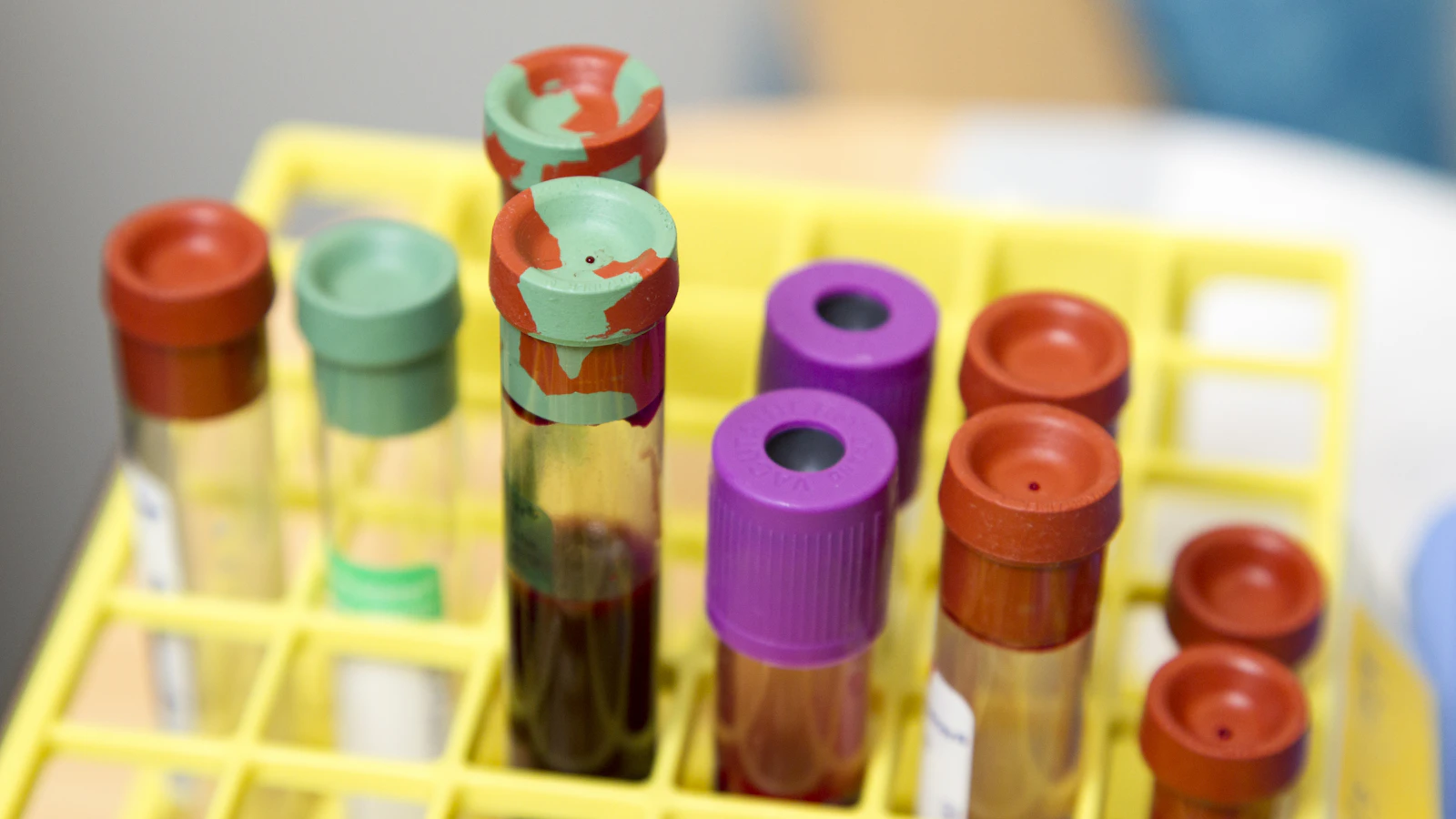
Anti-TTG and Endomysium IgA: a commonly used celiac disease screening.
Anti-TTG is a key screening marker for coeliac disease, which affects women more frequently than men. Coeliac disease can contribute to iron-deficiency anaemia, fertility issues, and osteoporosis — making early detection particularly important for women's health.
Doctor's Assessment Included
This test measures the level of IgA antibodies directed against tissue transglutaminase in your blood. It is the most sensitive and specific single blood test for coeliac disease screening. For accurate results, you must be consuming gluten regularly at the time of testing.
Undiagnosed coeliac disease can lead to nutrient malabsorption, iron deficiency, osteoporosis, and other complications. Early detection through anti-TTG screening enables timely dietary management. A negative result in someone already following a gluten-free diet may be falsely reassuring.
Keep eating gluten
RequiredEat gluten every day, in more than one meal, for at least 6 weeks before the draw. If you already eat gluten-free, the test can come back falsely negative.
Consider testing if you experience persistent digestive symptoms such as bloating, diarrhoea, or abdominal pain after eating gluten-containing foods. Testing is also recommended if you have a family history of coeliac disease, iron-deficiency anaemia of unknown cause, or associated autoimmune conditions. You must be eating gluten for at least 6 weeks before testing.
Low or undetectable anti-TTG levels are within the normal range and suggest that coeliac disease is unlikely, provided you were consuming gluten at the time of testing and do not have IgA deficiency.
Elevated anti-TTG levels may be associated with coeliac disease. Symptoms that often prompt testing include chronic bloating, diarrhoea, fatigue, weight loss, and iron-deficiency anaemia. However, elevated levels can occasionally occur in other conditions. Your healthcare provider will determine whether further investigation such as a duodenal biopsy is needed.
If coeliac disease is confirmed, a strict lifelong gluten-free diet is the primary treatment. Even small amounts of gluten can trigger immune activity. Work with a dietitian to ensure nutritional adequacy. Do not start a gluten-free diet before testing is complete, as this can produce falsely negative results.
Anti-TTG levels may be falsely normal if you have been avoiding gluten. A gluten challenge of at least 6 weeks is typically required before testing for reliable results.
In adults, a positive anti-TTG usually needs to be confirmed with a duodenal biopsy. In some cases with very high titres and positive endomysium antibodies, a no-biopsy diagnosis may be considered.
IgA deficiency can cause a false-negative anti-TTG result. If IgA deficiency is known or suspected, an IgG-based coeliac test should be used instead.
Add us as a preferred source. Google will then show our articles more often in your search results and in AI overviews. You can turn this off again at any time.
That did not work. Please try again.
This marker is included in the following test panels.
Anti-TTG and Endomysium IgA: a commonly used celiac disease screening.
Medical reviewer
Dr. Naimi oversees the medical standards behind our content and assessments.
Medical policyDoctor's Assessment Included
Every result includes a professional assessment from a BIG-registered doctor. For treatment decisions, discuss your results with your GP.
Anti-TTG (Tissue Transglutaminase)
€111,-