Iron Status
Iron panel: commonly relevant for menstruating women.
Iron is needed to make haemoglobin, the protein in red blood cells that carries oxygen. According to the NVKC, most of the iron in the body sits in the haemoglobin of the red blood cells.
During their period, according to the NVKC, women can lose so much blood that iron deficiency develops, and that can lead to anaemia. How much iron is in the blood only a blood test measures.
The unit for serum iron is micromoles per litre (µmol/l). Star-SHL uses 7 to 35 µmol/l for women aged 19 to 50, and 8 to 30 µmol/l for women aged 51 to 65.
Doctor's Assessment Included
Serum iron is the amount of iron in the blood at the moment of the draw; in healthy people it averages about 20 µmol/l according to the NVKC. Star-SHL and Unilabs use separate limits for men and women, Star-SHL also per age, and Certe one limit for everyone.
See the value that applies to you:
Choose male or female — this range differs by sex.
Enter your age — this range changes with age.
This range also depends on context such as cycle phase or sample material; the highlighted rows apply to your group.
| Sex | Age | Reference range (umol/l) | Relative scale |
|---|---|---|---|
| Female | · 6–12 years | 7–31 umol/l |
7
31
|
| Female | · 13–18 years | 6–35 umol/l |
6
35
|
| Female | · 19–50 years | 7–35 umol/l |
7
35
|
| Female | · 51–65 years | 8–30 umol/l |
8
30
|
| Female | · 66–80 years | 8–30 umol/l |
8
30
|
| Female | · 81 years and older | 7–28 umol/l |
7
28
|
Source: NVKC Reference population: Dutch general-practice population (NUMBER, n = 7,574,327)
Reference ranges may vary between laboratories. When you order a test, a BIG-registered doctor assesses your personal results in context. For treatment decisions, discuss your results with your GP.
Check your own value| Laboratory | Group | Reference value (umol/l) | Relative scale |
|---|---|---|---|
| Star-shl | · Female · 19–50 years | 7–35 µmol/l |
7 35
|
| Star-shl | · Female · 51–65 years | 8–30 µmol/l |
8 30
|
| Star-shl | · Female · 66–80 years | 8–30 µmol/l |
8 30
|
| Star-shl | · Female · 81 years and older | 7–28 µmol/l |
7 28
|
| Unilabs | · Female | 10–25 µmol/l |
10 25
|
| Certe | · Everyone · target values | 10–30 umol/L |
10 30
|
| Diagnostiek voor U | · Female | 10–25 µmol/L |
10 25
|
Source: Star-shl
Source: Unilabs
Source: Certe
Source: Diagnostiek voor U
Each value as the laboratory itself publishes it, retrieved in 2026.
An iron determination gives the iron present in serum or plasma at that moment, as a concentration in micromoles per litre (µmol/l). According to the NVKC, iron is preferably determined together with transferrin, the transport protein for iron, to calculate which part of the transferrin carries iron: the transferrin saturation.
Star-SHL determines iron in serum, and Unilabs and Certe determine it in lithium heparin plasma.
Heavy blood loss from periods that are often long and heavy is, according to Thuisarts, the most common cause of anaemia in women, because the body then has too little iron. According to the NVKC, iron deficiency is the most common cause of anaemia in general.
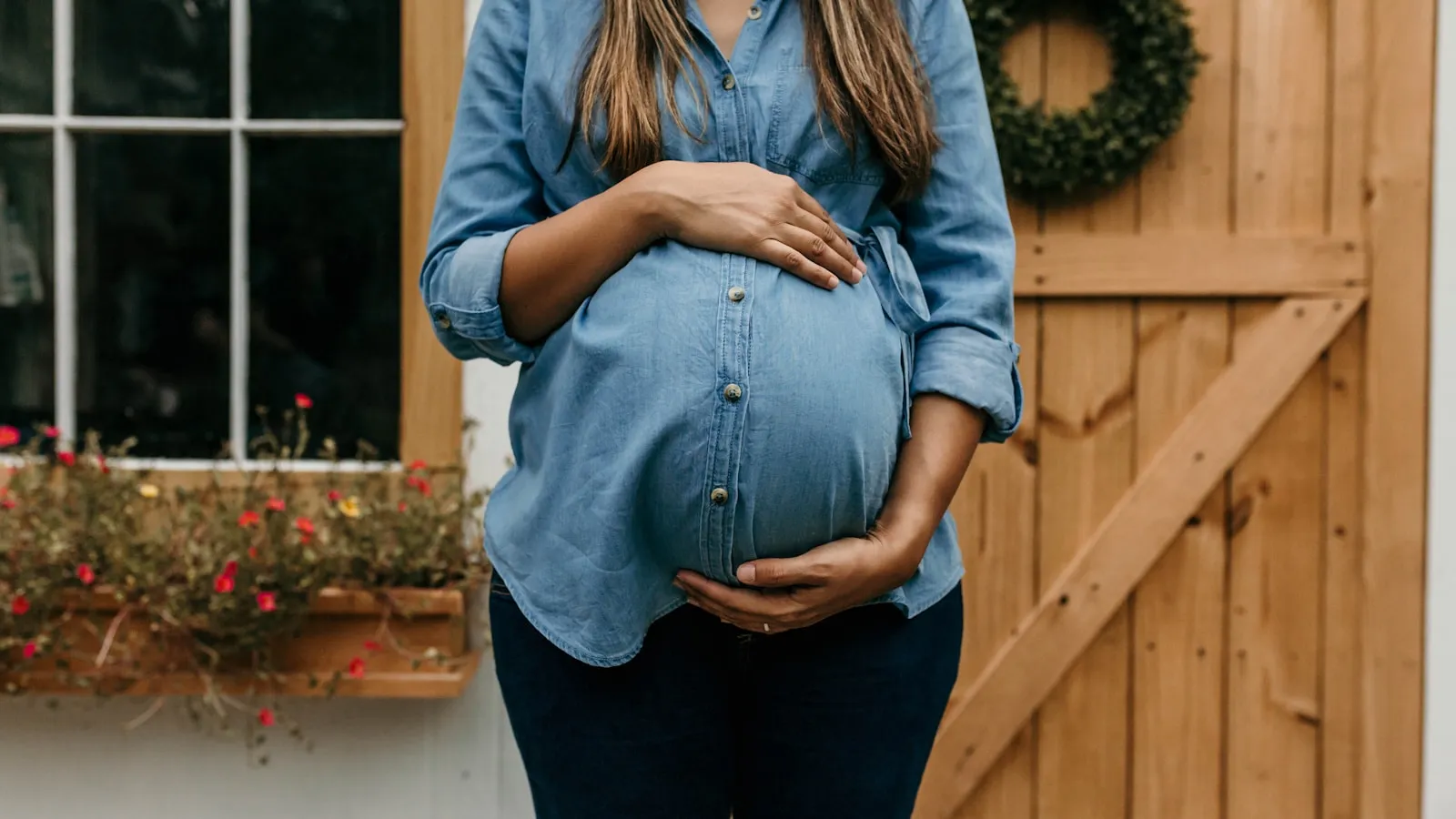
According to Thuisarts, the body needs more iron during pregnancy than comes in with food, and heavy blood loss during an operation, childbirth or miscarriage can also leave too little iron.
Better not right after an infection
RecommendedAfter an infection or vaccination this value can be off for 2 weeks. Preferably draw once you are fully recovered.
Preferably fasting
RecommendedComing fasting gives a slightly cleaner value, but it is not required. If it suits you, eat nothing from 22:00 the evening before and drink only water.
Preferably in the morning
RecommendedA morning draw makes this value easiest to compare with its reference range. Plan the draw before 10:00 if you can.
According to the NVKC, iron is measured in anaemia, to establish whether a lack of iron is the cause, often together with ferritin. The NVKC recommends drawing blood in the morning before breakfast, because iron-rich food raises the value temporarily.
A low serum iron is common according to the NVKC, and in women with heavy blood loss during their period the iron shortage can turn into anaemia from iron deficiency (iron deficiency anaemia). In iron deficiency anaemia, according to the NVKC, ferritin is usually below 20 micrograms per litre.
According to Thuisarts, anaemia can cause a tired and weak feeling, dizziness, headache and less colour in the face.
According to the NVKC, a high serum iron can point to iron overload when the transferrin saturation is also above 50%, and it can occur shortly after starting iron tablets. In hereditary iron overload, according to Thuisarts, symptoms can only appear once there is a lot of iron in the body, for example fatigue, abdominal pain and joint pain, mostly in the hands and wrists.
Heavy periods
According to the NVKC, women can lose so much blood during their period that iron deficiency develops, and that can lead to anaemia.
Long-term blood loss through the stomach or bowel
According to Thuisarts, losing small amounts of blood through the stomach or bowel over a long time is often the cause of too little iron in people over 50.
Too little iron in the diet
According to Thuisarts, years of eating very little food that contains iron can lead to too little iron in the body.
Poor uptake in the gut
According to Thuisarts, the body can have too little iron with a disease that makes it harder for iron to get into the body through the gut.
Pregnancy
According to Thuisarts, the body needs more iron during pregnancy than comes in with food.
Hereditary iron overload (haemochromatosis)
With an iron (much) higher than 20 µmol/l and a transferrin saturation above 50%, there can be iron overload according to the NVKC, in which the body constantly takes up too much iron from food.
Recently started iron tablets
According to the NVKC, a rise can also occur in people who have just started taking iron tablets.
Iron-rich meal before the draw
Iron-rich food, such as apple syrup or spinach, gives a temporary rise according to the NVKC; that is why blood is preferably drawn in the morning before breakfast.
Inflammation of the liver (hepatitis)
According to MedlinePlus, a higher-than-normal iron may be a sign of inflammation of the liver.
Frequent blood transfusions
According to MedlinePlus, a higher-than-normal iron may be a sign of frequent blood transfusions.
With anaemia from too little iron, according to Thuisarts the treatment is iron pills. According to Thuisarts, stomach acid inhibitors make iron get into the body less well, and Thuisarts advises discussing that with the midwife or doctor.
During pregnancy, according to Thuisarts, the body needs more iron than comes in with food, and MedlinePlus names pregnancy as a possible cause of a lower iron.
According to MedlinePlus, birth control pills and oestrogens are on the list of medicines that can affect the result of a serum iron test. MedlinePlus advises not to stop any medicine before you have talked to a doctor.
In anaemia from iron deficiency, the transferrin saturation, the percentage of transferrin that carries iron, is often below 10% according to the NVKC. According to the NVKC, that saturation usually lies between 20% and 45%.
Add us as a preferred source. Google will then show our articles more often in your search results and in AI overviews. You can turn this off again at any time.
That did not work. Please try again.
This marker is included in the following test panels.
Iron panel: commonly relevant for menstruating women.
Anemia workup: hemoglobin, iron, transferrin, CBC, and B12.
Prenatal screening commonly included during pregnancy.
Medical reviewer
Dr. Naimi oversees the medical standards behind our content and assessments.
Medical policyDoctor's Assessment Included
Every result includes a professional assessment from a BIG-registered doctor. For treatment decisions, discuss your results with your GP.
Iron (Serum)
€10,-
We use cookies to analyze site usage and measure ad effectiveness. Privacy Policy