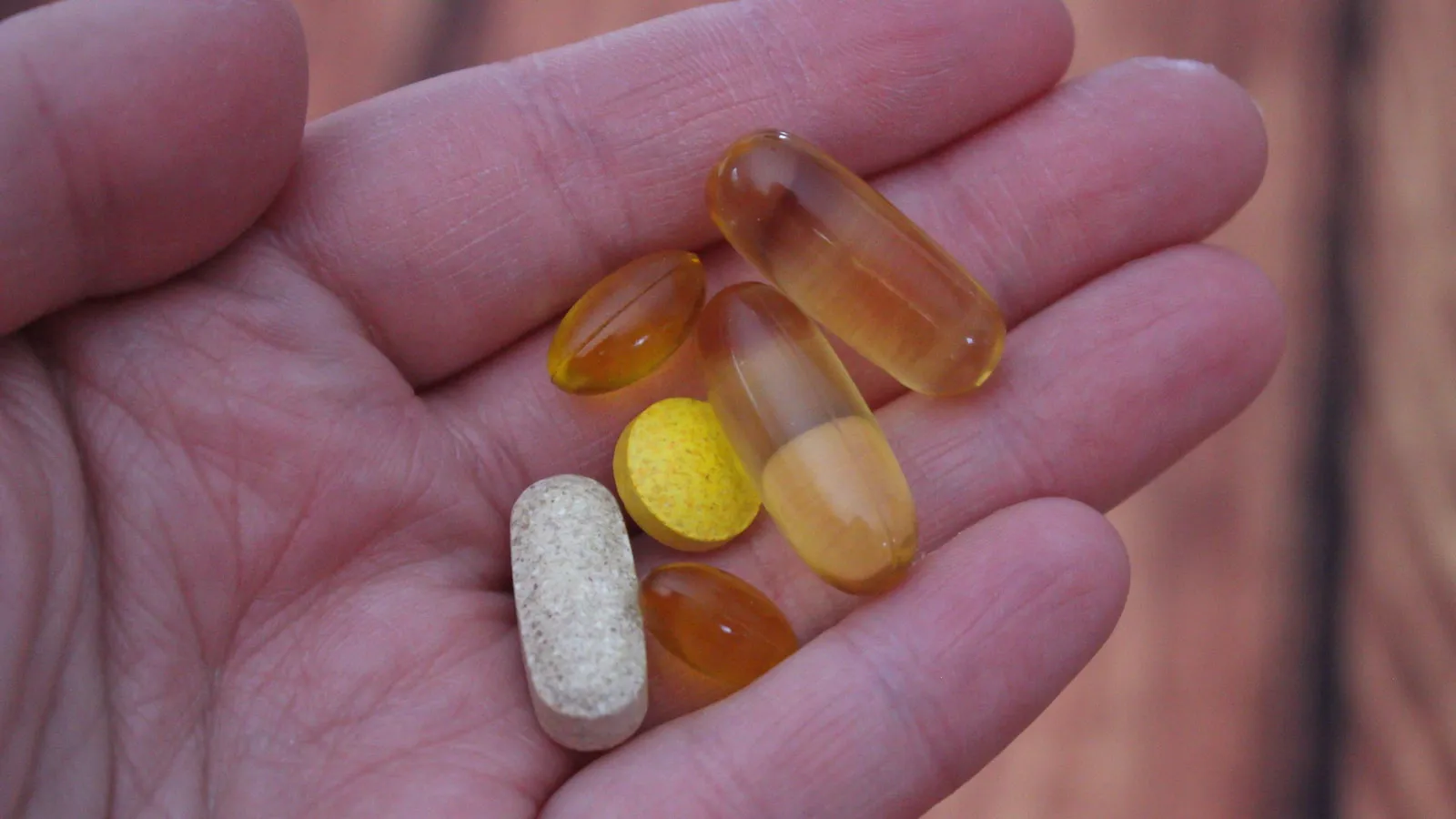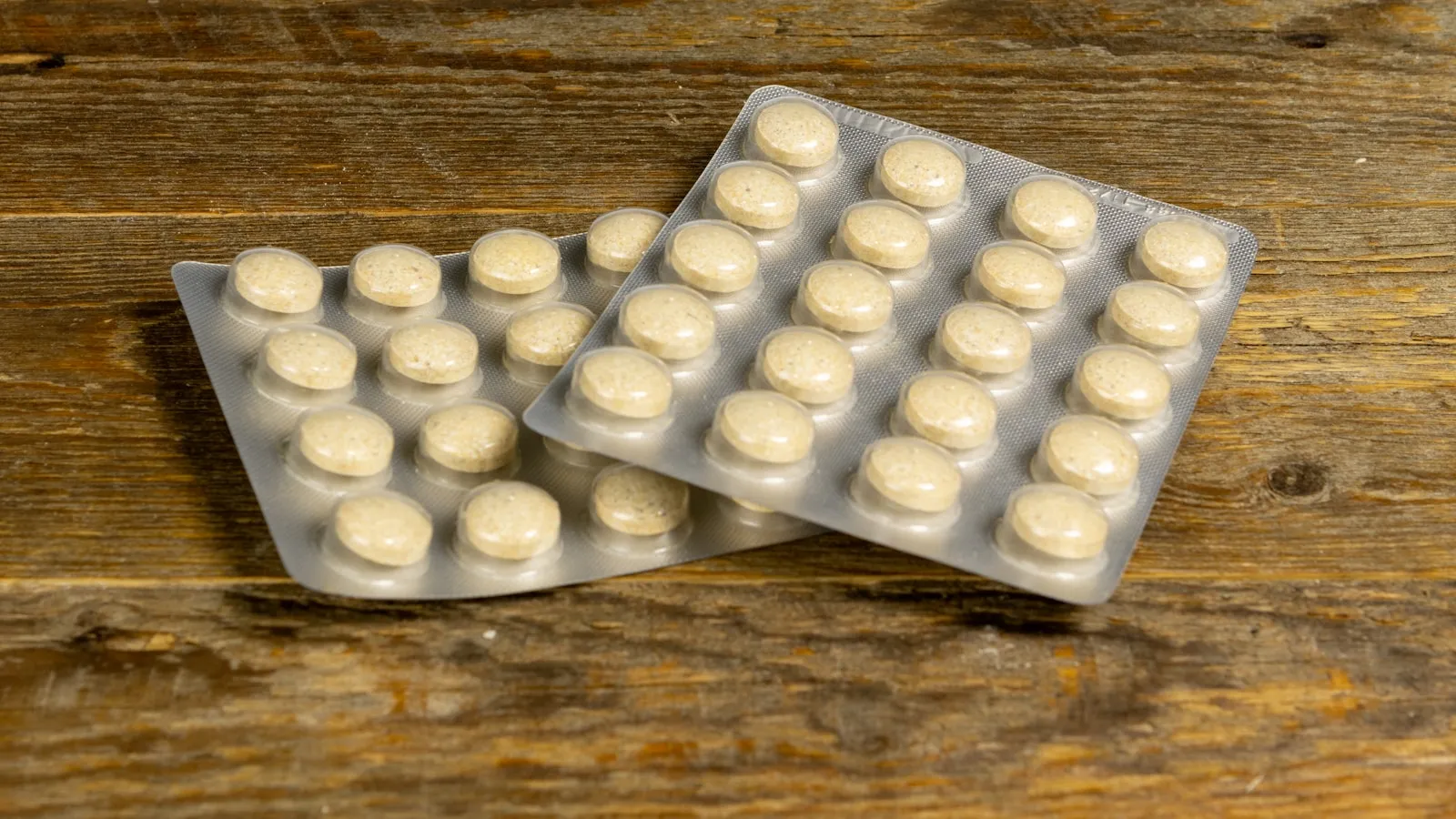
Hormone therapy for menopause (HRT) comes in far more forms than a single tablet. There are patches, gels, sprays, vaginal tablets and combination products, each with its own benefits and side effects. The hormone therapy side effects you can expect depend partly on the form you choose. This overview helps you compare the types so you can have a better conversation with your doctor.
What is hormone therapy for menopause?
Hormone therapy tops up the hormones your body makes less of during menopause, mainly oestrogen and often progesterone. The goal is to ease symptoms such as hot flushes, night sweats, sleep problems and mood swings. It does not cure menopause, but it can make the transition more manageable.
Most forms contain oestrogen (usually estradiol). If you still have a uterus, a progestogen almost always goes with it to protect the womb lining. Some products combine both hormones; with others you use them separately.
Which types of hormone therapy are there?
Broadly there are six forms: tablets, patches, gel, spray, local vaginal treatment and tibolone. They differ in how you use them, which hormone they contain and whether you need a separate progesterone. The table below sets the main ones side by side.
| Form | Delivery | Hormone | Separate progesterone needed | Examples |
|---|---|---|---|---|
| Combined tablet | Oral, daily | Oestrogen + progestogen | No, included | Femoston |
| Patch | On the skin, 1-2x weekly | Estradiol | Yes, if you have a uterus | Estradot, Systen |
| Gel | On the skin, daily | Estradiol | Yes, if you have a uterus | Oestrogel, Sandrena |
| Spray | On the skin, daily | Estradiol | Yes, if you have a uterus | Lenzetto |
| Progesterone | Oral or vaginal | Progesterone | It is the progestogen | Utrogestan |
| Vaginal tablet or cream | Local, in the vagina | Low-dose oestrogen | No, works locally | Vagifem, Ovestin |
| Tibolone | Oral, daily | One substance, three actions | No | Livial |
Oestrogen: patch, gel, spray or tablet?
Oestrogen is the engine behind most menopause symptoms you want to ease. You can take it in two ways: through your skin (transdermal) or as a tablet you swallow (oral). That difference matters more than many women think.
With transdermal forms such as the patch, gel or spray, the hormone goes straight into your bloodstream and bypasses your liver. Research in the BMJ (2019) showed that oestrogen through the skin was not linked to a raised risk of blood clots, while oral forms can raise that risk slightly. For women with a higher clot risk, the skin route is often a logical choice.
A combined tablet such as Femoston has the convenience of oestrogen and progestogen in one pill. In practice many doctors start with a transdermal form, precisely because of that more favourable clot profile. If you prefer a tablet, or find daily application awkward, that is a good reason to discuss your preference. No form wins for everyone.
The best-known tablet is Progynova (estradiol tablets); that post covers experiences and side effects.
Progesterone: why and which form?
If you still have a uterus, oestrogen alone is not safe: it can thicken the womb lining too much. A progestogen prevents that. You can use it separately alongside your oestrogen, or choose a product that already contains it.
A widely used separate form is Utrogestan, micronised progesterone that resembles your own hormone. Femoston contains the progestogen dydrogesterone. A hormonal coil can also protect the womb lining. If you no longer have a uterus, you usually need oestrogen only.
How you experience the progestogen varies a lot from person to person. Some women sleep better on micronised progesterone, while others are more sensitive to its effect on mood. That is not a sign hormone therapy is wrong for you, but often a matter of finding the right form or dose.
A hormonal IUD can take on that progestogen role too. How that works is in Mirena IUD in menopause.
Local hormone therapy for vaginal complaints
Dryness, irritation or pain during sex often occur separately from hot flushes. For these there is local hormone therapy: a low dose of oestrogen inserted into the vagina, such as Vagifem or an estriol cream.
Because absorption into your blood is very low, you usually do not need a separate progesterone with it. This form targets vaginal complaints but does little for hot flushes. For those you need a systemic form.
Tibolone: the all-in-one option
Tibolone (brand name Livial) is its own category. It is one tablet that your body converts into substances with oestrogenic, progestogenic and mild androgenic activity. You do not need a separate progesterone with it.
Tibolone is intended for women who are at least a year into menopause. Some women choose it for its possible benefit to libido and mood. Your doctor weighs the pros and cons, because there are also points to consider, especially at older ages.
Bio-identical hormones: what is true?
You increasingly hear about bio-identical hormones. Worth knowing: many regulated hormones, such as estradiol and the progesterone in Utrogestan, are already body-identical. They have the same molecular shape as your own hormones and are simply available on prescription.
That is different from custom-compounded bio-identical hormones from private clinics, which are not regulated and whose content is uncertain. So bio-identical does not automatically mean more natural or safer.
Who is hormone therapy suitable for?
Hormone therapy is not the right choice for everyone, and that is okay. Your doctor looks at your symptoms, your age, how long you have been in menopause and your medical history. For many women under 60, or within ten years of their last period, the possible benefits often outweigh the risks.
There are also situations that call for caution, for example with certain types of breast cancer, thrombosis or liver disease in your history. Your doctor may then choose another form, suggest a lower dose or look at an alternative. You always make this decision together, based on your story and your wishes.
How do you choose the right form with your doctor?
The right form depends on more than your symptoms alone. Your preference counts too: do you like a daily gel, or a patch you replace twice a week? And does your clot risk play a role? All these things together decide what fits.
Picture two women of 52 with the same hot flushes. One has excess weight and thrombosis in the family, so her doctor chooses oestrogen through the skin with separate progesterone. The other wants as little fuss as possible and gets a combined tablet. The same symptoms, a different route.
A good conversation helps you make that choice. Write down your symptoms, preferences and questions before you see your doctor, so you forget nothing.
Hormone therapy side effects: what is normal and what is not?
Most hormone therapy side effects are mild and temporary. They mainly appear in the first weeks to months while your body adjusts. Common complaints are tender breasts, headache, nausea, bloating and irregular bleeding.
Patience often helps, or a small change in dose or form. If complaints stay bothersome, discuss it with your doctor rather than stopping on your own. Seek advice sooner for a painful swollen leg, sudden breathlessness, chest pain or persistent heavy bleeding, as these can be rare but serious signals.
Is hormone therapy safe? Benefits and risks
For many women under 60 the benefits outweigh the risks, but it stays a personal weighing-up. A Cochrane review (2004) showed that hormone therapy can reduce hot flush frequency by about 75%, which makes it an effective option for many women.
There are also risks. Long-term combined use is linked to a slightly increased risk of breast cancer, and observational research (the E3N study, 2008) suggests the type of progestogen may matter. Oral forms carry a slightly higher clot risk than delivery through the skin. Your doctor helps you apply these considerations to your own situation.
Many of these risks are small and depend on your age, the form and how long you use hormone therapy. The lowest effective dose and regular review with your doctor help keep the balance favourable. If in doubt, do discuss your specific situation, because there is no silly question when it comes to your health.
What can you expect in the first months?
The first weeks of hormone therapy are a period of adjustment, for you and for your body. Hot flushes and night sweats often ease first, sometimes within two to three weeks. Sleep, mood and energy usually follow a little later.
In that same early period there can be temporary side effects, such as tender breasts or some irregular bleeding. In most women these settle by themselves as the body adjusts. So you do not judge the full effect after two weeks, but rather after two to three months.
If you notice too little improvement after that, or side effects persist, that is a good moment to discuss the dose or form with your doctor. Small adjustments often make a big difference.
Testing your hormones before and during hormone therapy
Before you start, a hormone test can give your doctor a starting point. Values often looked at are oestradiol, FSH and your thyroid (TSH), because thyroid complaints can resemble menopause symptoms. A check during use can also help fine-tune the dose.
With the Menopause blood test from Lunara you can discover your hormone levels, with an assessment by a BIG-registered doctor. Want to read about the practice first? See the experiences with hormone therapy for menopause, or our guide to perimenopause.
Frequently asked questions
Which form of hormone therapy is safest?
No single form is safest for everyone. Oestrogen through the skin (patch, gel, spray) is often seen as more favourable for clot risk than tablets, because it bypasses the liver. What suits you best depends on your symptoms and health.
How quickly does hormone therapy work?
Hot flushes often ease within a few weeks. The full effect on sleep, mood and energy can take 4 to 12 weeks. If you notice little difference after three months, discuss with your doctor whether a different dose or form is needed.
How long can you use hormone therapy?
There is no fixed maximum duration. Many women use it for as long as symptoms persist and the benefits outweigh the risks, which you review periodically with your doctor. The lowest effective dose is preferred.
Do you gain weight on hormone therapy?
Weight gain in menopause is usually linked to age and a changing metabolism, not directly to the hormones themselves. Fluid retention in the first weeks can show temporarily on the scales.
Can you combine hormone therapy with a local treatment?
Yes, this is common. If you have vaginal dryness alongside hot flushes, a systemic form can be combined with a local vaginal treatment. That way you address both kinds of complaint. Your doctor matches the combination.
What if the first form does not suit you?
Then that is not a failure, but information. Many women switch form or dose once or twice before finding the right combination. Do give a new form a few months before drawing conclusions.
Menopause is different for everyone, and so is the form of hormone therapy that fits. In my view the most important step is not choosing a brand, but an honest conversation with your doctor about what you want and what suits your health. This overview gives you the language for that conversation.
Every blood test result includes a professional assessment from a BIG-registered doctor. For treatment decisions, discuss your results with your GP.
References
- Farmacotherapeutisch Kompas. Oestrogens and progestogens for menopause. Accessed 2026.
- Thuisarts.nl. Menopause complaints. Accessed 2026.
- MacLennan AH, et al. Oral oestrogen and combined oestrogen/progestogen therapy versus placebo for hot flushes. Cochrane Database of Systematic Reviews, 2004. PMID 15495039.
- Vinogradova Y, Coupland C, Hippisley-Cox J. Use of hormone replacement therapy and risk of venous thromboembolism. BMJ, 2019. PMID 30626577.
- Fournier A, et al. Use of different postmenopausal hormone therapies and risk of invasive breast cancer. Journal of Clinical Oncology, 2008. PMID 18323549.
See Lunarahealth more often in Google
Add us as a preferred source. Google will then show our articles more often in your search results and in AI overviews. You can turn this off again at any time.
That did not work. Please try again.
Author
Lunarahealth
Dr. Naimi, BIG-registered physician, oversees the medical standards behind our content and assessments. Read our medical policy