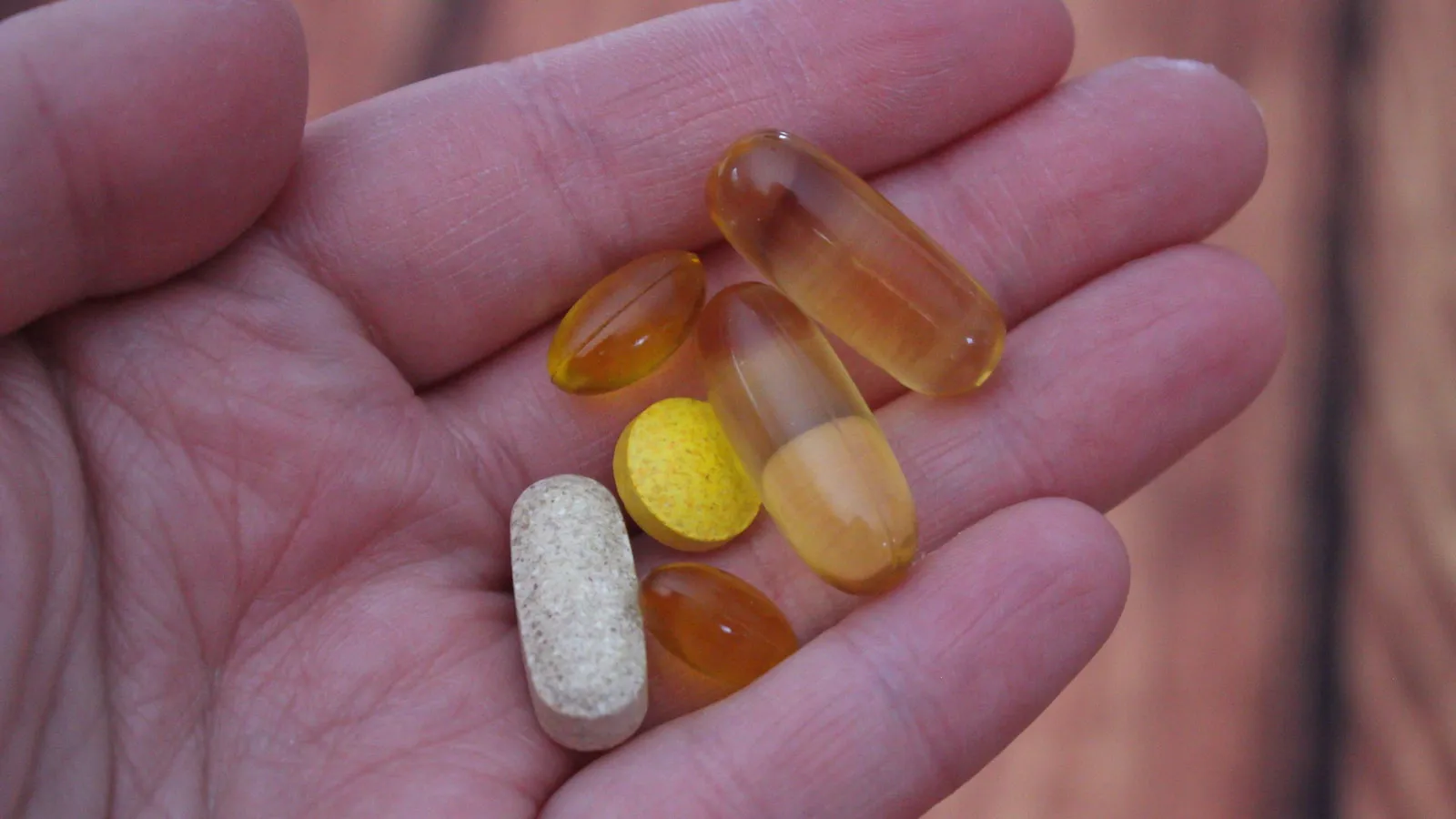
Bio-identical hormones are hormones with exactly the same molecular structure as the ones your body makes itself. There is a lot of confusion around bio-identical hormones. The real difference is not "bio-identical or not", but between regulated, prescription hormones and compounded versions from private clinics. What is true, and what do experiences show?
What are bio-identical hormones?
Bio-identical means the hormone molecule is identical to what your ovaries make naturally, such as estradiol and progesterone. Many women do not realise that standard hormone therapy is often already bio-identical. An estradiol patch or gel and micronised progesterone (the active ingredient in Utrogestan) are bio-identical hormones, simply on prescription.
The word describes the shape of the molecule, not its origin or its safety. Bio-identical is not a brand or a seal of approval. Both a regulated medicine and a custom-made cream can contain bio-identical hormones.
Regulated body-identical versus compounded: the real difference
The key question is not whether hormones are bio-identical, but whether they are regulated. Regulated bio-identical hormones are checked for content and quality and have been studied. Compounded hormones are prepared per person, often in a private clinic, without that same oversight.
| Feature | Regulated (body-identical) | Compounded |
|---|---|---|
| Examples | Estradiol patch, gel or spray, micronised progesterone | Custom cream or lozenge |
| Quality control and regulation | Yes, via EMA and national authorities | No, not registered as a medicine |
| Scientific evidence | Yes, from clinical research | Limited to absent |
| Available via | Prescription and pharmacy | Often a private clinic |
| Saliva test needed | No | Often, but unreliable |
In short: the regulated route gives you the same bio-identical molecule, but with evidence and quality control included.
Bio-identical hormone experiences: what women say
Experiences vary widely, often because of the route women choose. Some feel well on regulated bio-identical hormones through their GP or gynaecologist. Others go to a private clinic for a custom cream and are left unsure what they actually received.
Picture two women of 51. One uses an estradiol patch with Utrogestan and notices fewer hot flushes and better sleep within weeks, at a known dose. The other pays a private clinic for a compounded cream based on a saliva test and keeps doubting whether it helps. The same goal, a very different level of certainty.
Are bio-identical hormones safer or more natural?
Bio-identical does not automatically mean more natural or safer. That is perhaps the most persistent myth. Regulated bio-identical hormones are made from raw materials like other medicines, and their benefits and risks have been studied. Compounded versions are often marketed as "natural", but that word says nothing about the dose or the quality.
The risks of hormone therapy depend mainly on the type of hormone, the dose and the delivery route, not on the label "bio-identical". A regulated bio-identical hormone actually gives you more to hold on to there.
What does the science say?
Major health organisations are critical of compounded bio-identical hormones. A 2020 report from the US National Academies of Sciences called their widespread use concerning, precisely because evidence for safety and efficacy is lacking. For regulated hormone therapy that evidence does exist.
Research shows hormone therapy strongly reduces hot flushes on average, and that micronised progesterone and dydrogesterone appear to have a more favourable profile than some older progestogens. That knowledge comes from regulated medicines, not from custom creams. The choice always stays something you make with your doctor.
Testing your hormones: what helps and what does not
A saliva test is often used to compound custom hormones, but the results are variable and unreliable. A blood test gives a steadier picture of values such as oestradiol, FSH and your thyroid (TSH), which makes the conversation with your doctor more concrete.
With the Menopause blood test from Lunara you can discover your hormone levels, with an assessment by a BIG-registered doctor. Want the full overview of forms and medicines first? Read our guide to hormone therapy for menopause, or look at the options in the Femoston tablet.
Frequently asked questions
Are bio-identical hormones natural?
Bio-identical means the molecule matches your own hormone, not that it comes from nature. Regulated bio-identical hormones are also made in a factory. So "natural" is not a reliable distinction.
Is a compounded cream safer?
There is no evidence for that. Compounded hormones are not checked like medicines, so dose and quality can vary. Regulated products offer more certainty on that point.
Is a saliva test reliable?
Saliva tests give variable results and are considered unreliable for tailoring hormones. A blood test gives a steadier picture to discuss with your doctor.
Can I get bio-identical hormones on prescription?
Yes. Estradiol (patch, gel or spray) and micronised progesterone are bio-identical hormones your doctor can simply prescribe.
What is the difference from regular hormone therapy?
Often there is none: much standard hormone therapy is already bio-identical. The distinction that matters is regulated versus compounded.
The most important message, in our view, is reassuring: you do not need an expensive private clinic for bio-identical hormones, because the regulated route offers the same molecule with more certainty. Do not be swayed by the word "natural", and discuss your options openly with your doctor.
Every blood test result includes a professional assessment from a BIG-registered doctor. For treatment decisions, discuss your results with your GP.
References
- Thuisarts.nl. Menopause complaints. Accessed 2026.
- Stuenkel CA. Compounded bioidentical hormone therapy: new recommendations from the 2020 National Academies of Sciences, Engineering, and Medicine. Menopause, 2021. PMID 33739316.
- MacLennan AH, et al. Oral oestrogen and combined oestrogen/progestogen therapy versus placebo for hot flushes. Cochrane Database of Systematic Reviews, 2004. PMID 15495039.
- Fournier A, et al. Use of different postmenopausal hormone therapies and risk of invasive breast cancer. Journal of Clinical Oncology, 2008. PMID 18323549.
See Lunarahealth more often in Google
Add us as a preferred source. Google will then show our articles more often in your search results and in AI overviews. You can turn this off again at any time.
That did not work. Please try again.
Author
Lunarahealth
Dr. Naimi, BIG-registered physician, oversees the medical standards behind our content and assessments. Read our medical policy