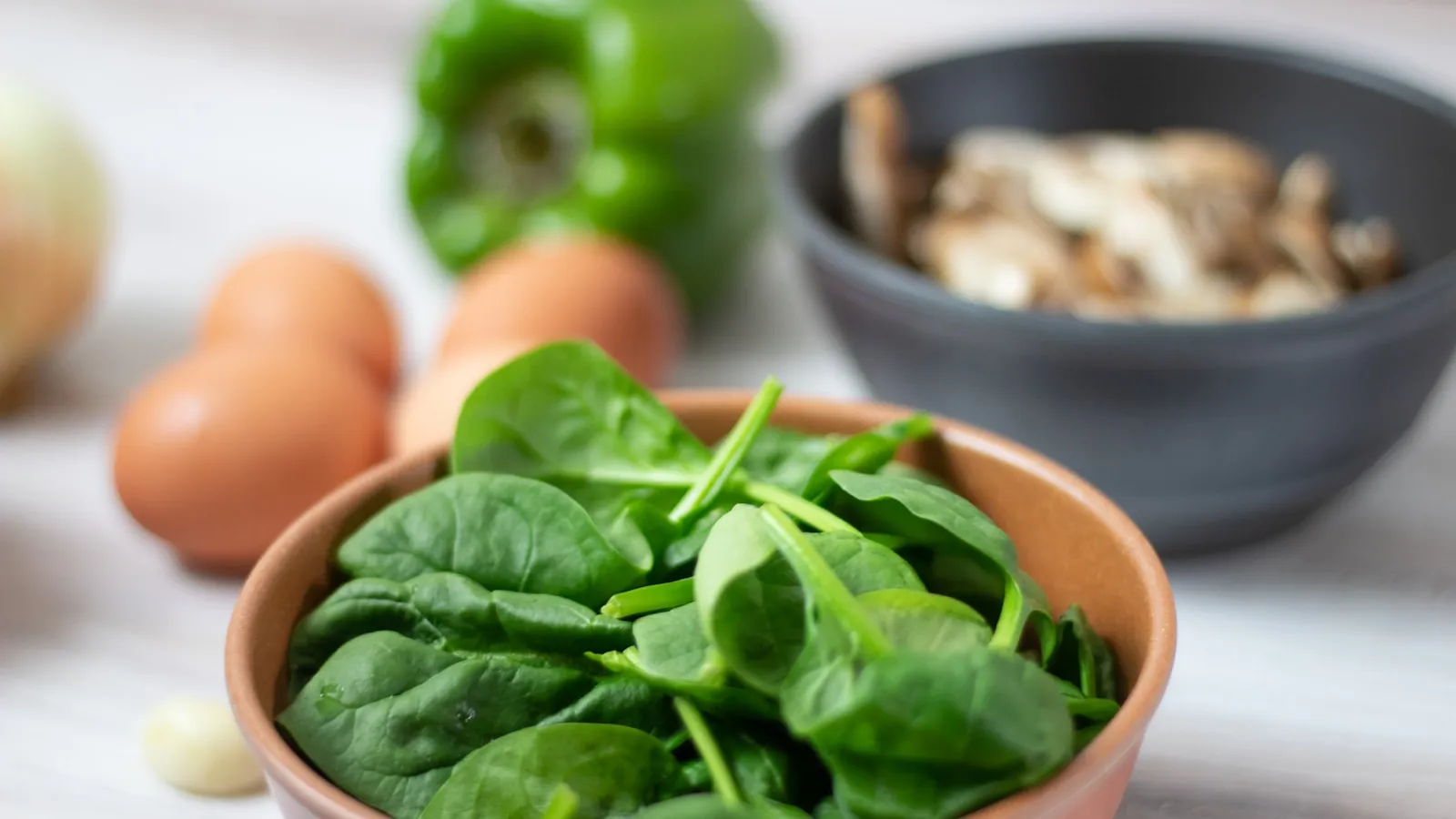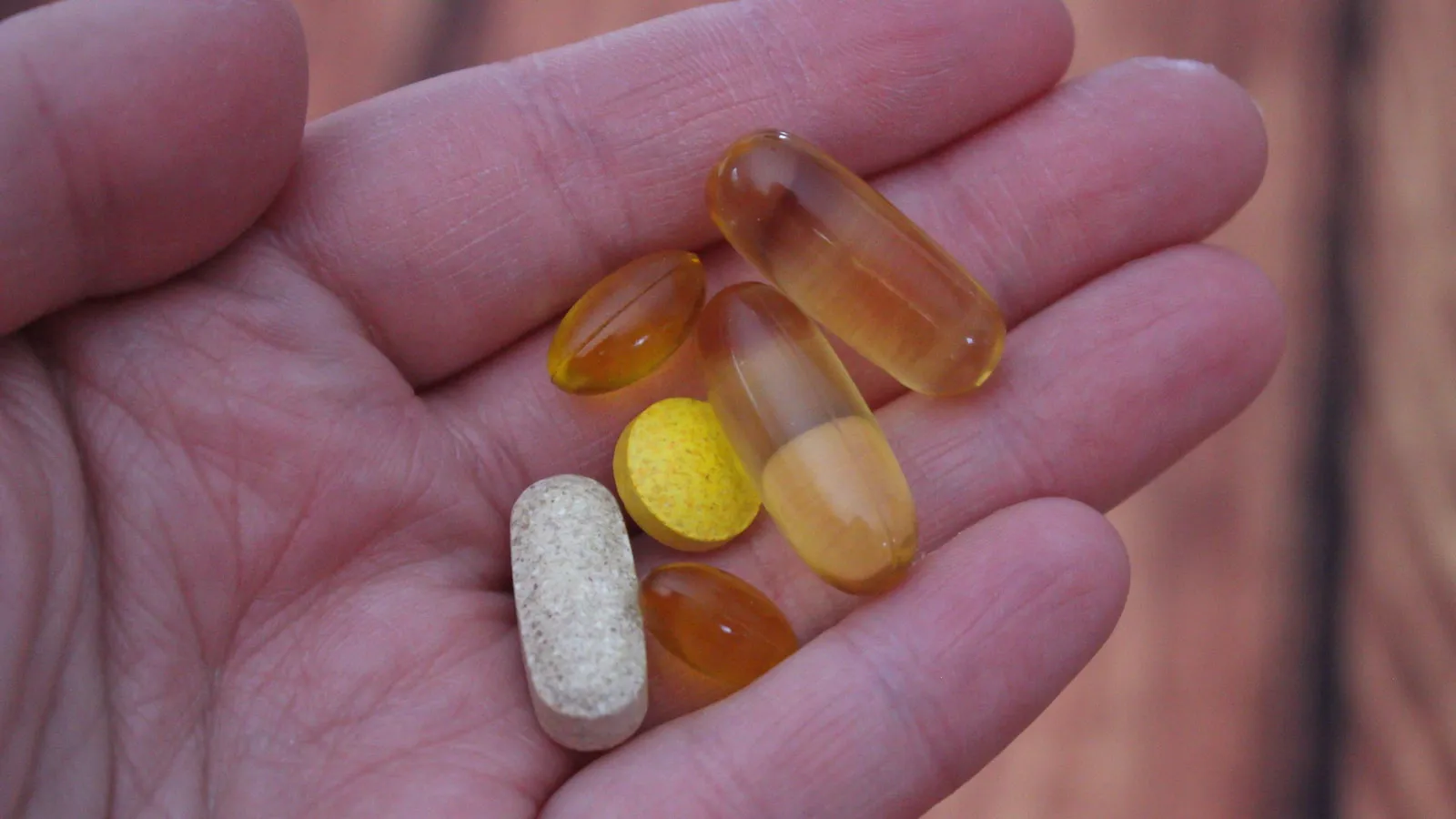
Search for menopause supplements and you mostly find shops. The short answer is less commercial. For the two best-known herbal groups, Cochrane found no convincing evidence. The only advice with a hard number concerns vitamin D.
For women aged 50 to 69 in the Netherlands, that is 10 micrograms a day. The figure comes from the Voedingscentrum. It is also the only substance here that you can simply have measured.
That difference is what this article is about. Not which jar has the nicest label, but which promise you can check in your blood.
Which menopause supplements have research behind them?
Briefly: the micronutrients do, the herbs do not. Vitamin D has a concrete Dutch intake figure. For red clover and black cohosh, Cochrane concluded the evidence is missing.
That does not mean they are harmful. It means the studies were too small or too inconsistent. No effect could be shown.
Something we notice about this market: almost every publisher sells something. We do not sell supplements. That makes it easier to say what we see here. Part of this shelf mainly sells hope.
| Supplement | The promise | What research says | Measurable in blood? |
|---|---|---|---|
| Vitamin D | Bones, muscles, energy | Concrete intake advice: 10 mcg a day for women aged 50 to 69 | Yes |
| Vitamin B12 | Energy, concentration, tingling | Only relevant with a demonstrated deficiency | Yes |
| Ferritin (iron) | Fatigue, hair loss | Only relevant when stores are low | Yes |
| Calcium | Keeping bones strong | Mostly from food; intake can be estimated, status cannot | Limited |
| Magnesium | Sleep, muscles, restlessness | A blood value says little about body stores | Limited |
| Red clover, isoflavones | Fewer hot flushes | Cochrane 2013: no conclusive evidence | No |
| Black cohosh | Fewer hot flushes | Cochrane 2012: insufficient evidence | No |
| Omega 3 from fish oil | Heart, mood, joints | Benefit shown for oily fish, less clear for capsules | No |
That last column is the whole point. For four of the eight you can check whether there is anything to fix. For the rest you are taking it on feel.
Red clover and phytoestrogens: what the Cochrane review found
Red clover is the most popular product on this shelf. It contains isoflavones, a group of plant oestrogens. That group is also called phytoestrogens.
The logic behind it is appealing. Your oestrogen falls, so you top it up with a plant version.
Cochrane examined that logic in 2013. The review found no convincing evidence. On hot flushes and night sweats the authors write "no conclusive evidence". The women studied were perimenopausal and postmenopausal.
Note what that says. Not that it fails, but that convincing proof is missing. Some women do report improvement. That may well be real.
It may also be the placebo effect. For hot flushes that effect is notoriously strong.
There is something else. Phytoestrogens are not automatically harmless because they come from a plant. Have you had a hormone-sensitive condition, or are you treated for one? Then discuss this with your own doctor first.
That is exactly why cancer charities turn up in the search results here.
Black cohosh: same story, different herb
Black cohosh, also sold as Cimicifuga, is the other classic. Cochrane reviewed it in 2012. The review calls the evidence "insufficient". The authors did think further study was justified.
That is an honest, open finding. It is not a licence for the marketing on most product pages. And it is no reason to dismiss your own experience.
We think that Cochrane wording is a strength. They claim no more than they know.
Two women, the same vitamin D value
A concrete example helps here. Two women of 53 have their vitamin D measured. Both come out at 32 nmol/l.
The first has taken 10 micrograms a day since January. The second takes nothing and is indoors a lot. Same value, two very different stories.
For the second there is something to explain. For the first there is not: she already tops up and still sits there. That difference is something you can act on.
It also shows that a number without context says little. We would ask both women the same question. What was the value before you started?
Without a baseline you cannot tell whether something works. That holds for vitamin D. It holds just as firmly for red clover.
The difference is that with vitamin D you can go and check.
Vitamin D is the only advice with a concrete number
Here the tone changes. The Voedingscentrum names 10 micrograms a day for women aged 50 to 69. From age 70 the figure given is 20 micrograms. These are Dutch intake figures, not marketing claims.
Why that age? Your skin makes less vitamin D as the years pass. And the sun sits low here from October to March. You make little of it then.
Vitamin D plays a role in calcium absorption. That gives it a role in keeping bones strong. It matters because bone breakdown speeds up around menopause. There is more in osteoporosis after menopause.
The practical difference from the herbs is simple. You can have your vitamin D measured. Then you know whether topping up rests on anything. What a shortfall does is in vitamin D deficiency in women.
For us this is the only claim here with a hard number behind it. The rest of this shelf comes nowhere close.
Vitamins and minerals can be measured, herbs cannot
This is the dividing line no shop puts on its page. Vitamins and minerals have a blood value. A herbal extract does not. There is no test that says whether red clover works for you.
That makes the two groups fundamentally different. With the first you can show a shortfall and top it up. Then you can look again. With the second it stays trial and hope.
Two caveats belong here. Magnesium in blood says little about stores in your bones. So that result is less informative than it looks. What magnesium does is covered in magnesium in menopause.
Calcium is similar. Intake can be estimated, status cannot, not well. An overview of what is usable is in testing vitamins and minerals in women.
Oily fish, healthy fats and what a capsule does not replace
The Voedingscentrum advises 100 grams of sustainable fish a week. Oily fish is preferred, such as salmon, trout or herring. That is where the EPA and DHA fatty acids sit. Those are the healthy fats fish oil capsules are built on.
And here is a line that never appears in the advertising. The Voedingscentrum adds a caveat of its own. Whether a capsule gives the same health benefit as fish has not been studied enough.
So if you are choosing, choose the fish first. A capsule is a fair fallback when fish genuinely does not happen. It is not a proven equal replacement.
We would pick the fish ourselves. Not on principle, but because that is where the research sits.
Ferritin: the value that often says most about fatigue
Ferritin is your iron store. With fatigue and hair loss we find this the most interesting value of the set. And it is nearly always skipped in this conversation.
The reason is simple. Iron sits in almost every multivitamin. A small dose in a combined product is one thing. Topping up a store shown to be low is another.
Around menopause something also shifts. While you still menstruate, and certainly with heavy bleeding, you lose iron. After your last period that loss stops.
So a low ferritin in this phase has a story behind it. It also means a result from five years ago says nothing about now.
What a low ferritin can mean is in ferritin values and what a low result means. Always discuss an abnormal result with your GP.
Vitamin B12: deficiency symptoms look like menopause symptoms
This is the confusion we see most often. A vitamin B12 shortfall can cause fatigue and tingling. Poor memory and a shifting mood belong to it too.
That list barely overlaps with hot flushes and night sweats. With the rest of the pattern it overlaps almost completely.
The result is predictable. Complaints get put down to menopause. Underneath there may be a shortfall you could simply have shown. What to measure is in vitamin B12 deficiency.
That is not an argument for taking B12 by default. It is an argument for looking before you assume.
Why almost every page on this sells something
Search this topic and count the first ten results. For us they were ten shops, chemists and supplement brands. Not one independent body.
That is not a complaint, but it does explain the tone. A seller has no interest in the line "this has not been shown". We do have that interest, because we sell measurements.
So read with that in mind. Is there a source next to the claim? Is there a number, and where does it come from?
And the question rarely asked: can you check it? For vitamin D, B12 and ferritin you can. For a herbal extract you cannot, however good the label looks.
What a supplement cannot tell you about yourself
A jar never tells you where you started. That sounds philosophical, but it is meant practically. The label carries a dose, not a baseline.
Say your ferritin is low. That might explain your fatigue and your hair loss. A multivitamin with a little iron will not fix it. And you will not notice the difference, because your starting point is unknown.
What we see women in menopause do is skip the middle step. First the complaint, then the jar. Measuring never comes into it.
Our view: that order costs you months. Enough changes during menopause without guessing on top of it. A baseline is cheaper than half a year of trying.
What I notice most is how often that starting point is missing. Without it I cannot tell whether anyone has moved forward. A jar then stays a guess with a nice label.
What we would measure before you buy the first jar
Say you are 52. Since spring six jars have sat in your kitchen drawer. Red clover, magnesium, a multivitamin, fish oil, and two whose names you forget. The complaints are no better, and nothing was ever tested.
That is the situation where the order got reversed. Buy first, hope after. We would do it the other way round. That is an opinion, not medical advice.
We would look first at the values with a concrete outcome. Those are vitamin D, vitamin B12 and ferritin. With fatigue and hair loss, ferritin is often the most interesting. A hormone panel adds context about your phase.
Our hormone test for women measures five hormones. It may offer insight into that phase. A result is not a diagnosis. It does not replace a conversation with your GP.
Is your question broader than menopause? Then we have a separate piece on supplements for hormone balance. Are hot flushes your main complaint? Start with hot flushes and what helps.
Discuss your result with your GP afterwards. Do that especially if complaints persist or worsen. Every blood test result includes a professional assessment from a BIG-registered doctor. For treatment decisions, discuss your results with your GP.
References
- Leach MJ, Moore V. Black cohosh (Cimicifuga spp.) for menopausal symptoms. Cochrane Database of Systematic Reviews, 2012. PMID 22972105.
- Lethaby A, Marjoribanks J, Kronenberg F, Roberts H, Eden J, Brown J. Phytoestrogens for menopausal vasomotor symptoms. Cochrane Database of Systematic Reviews, 2013. PMID 24323914.
- Voedingscentrum. Vitamin D: recommended extra intake by age group. Accessed 17 August 2026.
- Voedingscentrum. Fish: 100 grams a week, preferably oily fish, and what is known about fish oil supplements. Accessed 17 August 2026.
See Lunarahealth more often in Google
Add us as a preferred source. Google will then show our articles more often in your search results and in AI overviews. You can turn this off again at any time.
That did not work. Please try again.
Author
Lunarahealth
Dr. Naimi, BIG-registered physician, oversees the medical standards behind our content and assessments. Read our medical policy