Irritable, anxious or low in perimenopause? That is more common than you think. Up to around 4 in 10 women notice mood complaints in this phase (Santoro, 2016). Often they are linked to fluctuating hormones, poor sleep and stress.
I notice that women are sometimes ashamed of this, as if it is their own fault. Yet these complaints are very real and often partly hormonal. Below you read where they can come from and what seems to help.
Why does your mood change in perimenopause?
In perimenopause your oestrogen starts to fluctuate strongly, and that hormone helps shape substances in your brain that steer your mood, such as serotonin. Those fluctuations can make you more sensitive, more irritable or more anxious. So it is not only psychological.
The fluctuating hormones explain why your mood can differ from day to day.
What often plays a part:
- Fluctuating oestrogen, which influences your mood substances
- Poor sleep, which gives your emotions a shorter fuse
- Hot flushes and physical complaints that exhaust you
- Stress and busyness in this stage of life
The role of stress and cortisol
Cortisol is your main stress hormone. With long-term stress it can make you more alert, more irritable and more anxious, especially when bad nights come on top. In perimenopause, stress and hormonal fluctuations often run together.
So menopausal complaints and stress complaints can reinforce each other.
A blood test gives a first impression here. The Menopause Check brings your estradiol (E2) and cortisol into view, among others, so you can see what plays a part.
Is it linked to poor sleep?
Sleep and mood are closely connected. After a few bad nights you are more easily irritated, low or anxious. In perimenopause many women sleep worse through hot flushes and night sweats, which puts mood under further pressure.
Often your mood improves as soon as your sleep improves.
Do you sleep poorly in this phase? Then read our article on poor sleep in menopause and what you can do.
When is it more than a dip?
A changing mood belongs to this phase, but some complaints call for help. It becomes more important if low mood or anxiety lasts long and affects your daily life. Then do not wait too long with a conversation.
Contact your GP if you recognise this:
- Low mood or anxiety lasting more than two weeks
- Little pleasure left in things you normally enjoy
- Feelings of panic or persistent anxiety
- Thoughts that life is no longer worth it
For that last point: do not wait and contact your GP or a crisis line straight away. This article does not replace an assessment by a doctor.
What can you do yourself?
Mood complaints in perimenopause can often be eased with attention to sleep, exercise and support. It comes down to giving your body rest and not isolating yourself. What helps differs per person, so look for what suits you.
What helps many women:
- Regular exercise, which can lift your mood
- Enough and regular sleep
- Talking with someone you trust
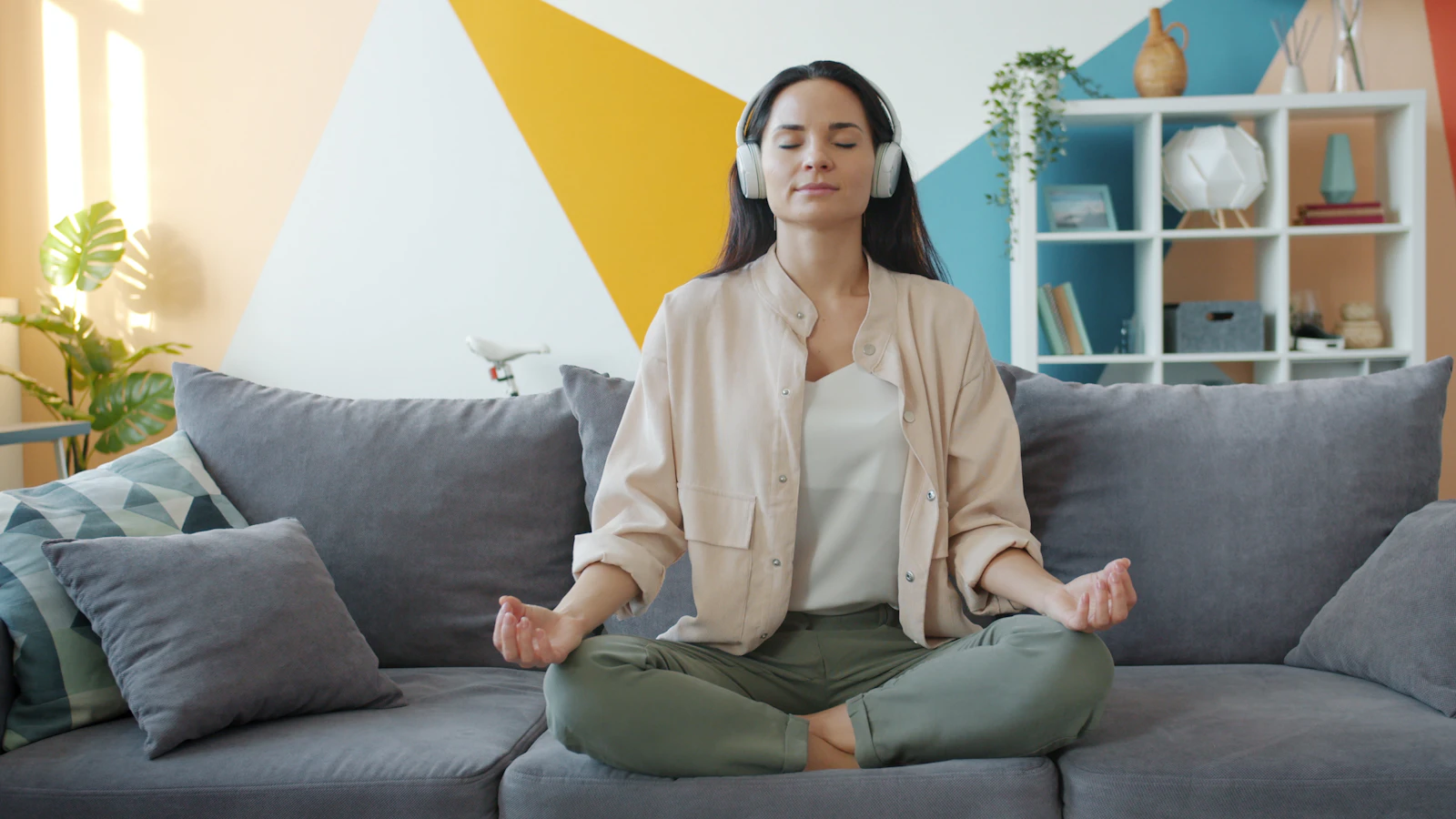
- Relaxation or breathing exercises with anxiety
Want the whole picture of menopause first? Then read our pillar on perimenopause, symptoms and solutions. Want to know more about a falling oestrogen? Then read about oestrogen deficiency, the symptoms and causes.
Frequently asked questions
Do anxiety and irritability really belong to perimenopause?
Yes, they are common complaints in this phase. Fluctuating oestrogen helps shape substances that steer your mood, which can make you more sensitive or irritable. Not every woman is affected.
Can a blood test explain my mood complaints?
A blood test does not explain your mood on its own, but it can show whether for example your oestrogen or cortisol plays a part. You discuss an abnormal result with your GP.
Do mood swings go away on their own?
In many women they become calmer once the hormones are more stable after the menopause. If the complaints persist or are severe, do not keep living with them and discuss it with your GP.
References
- Santoro N. Perimenopause: From Research to Practice. J Womens Health (Larchmt). 2016;25(4):332-339.
- NHG-Standaard De overgang (Menopause). Dutch College of General Practitioners.
- Thuisarts.nl. I am going through menopause. Available via thuisarts.nl.
- Thuisarts.nl. I feel low. Available via thuisarts.nl.
Every blood test result through Lunara includes a professional assessment by a BIG-registered doctor. For treatment decisions, discuss your results with your GP.
Author