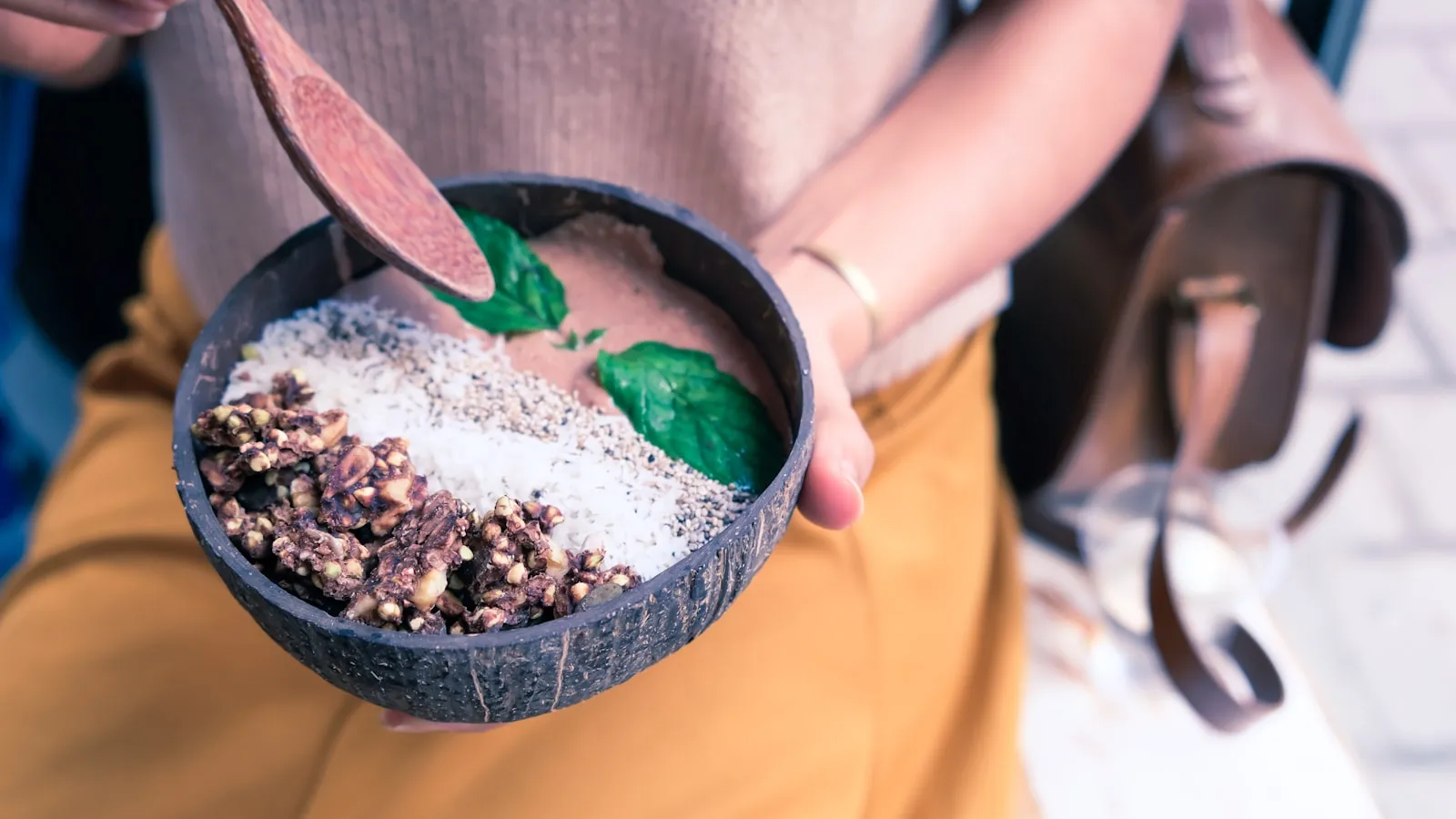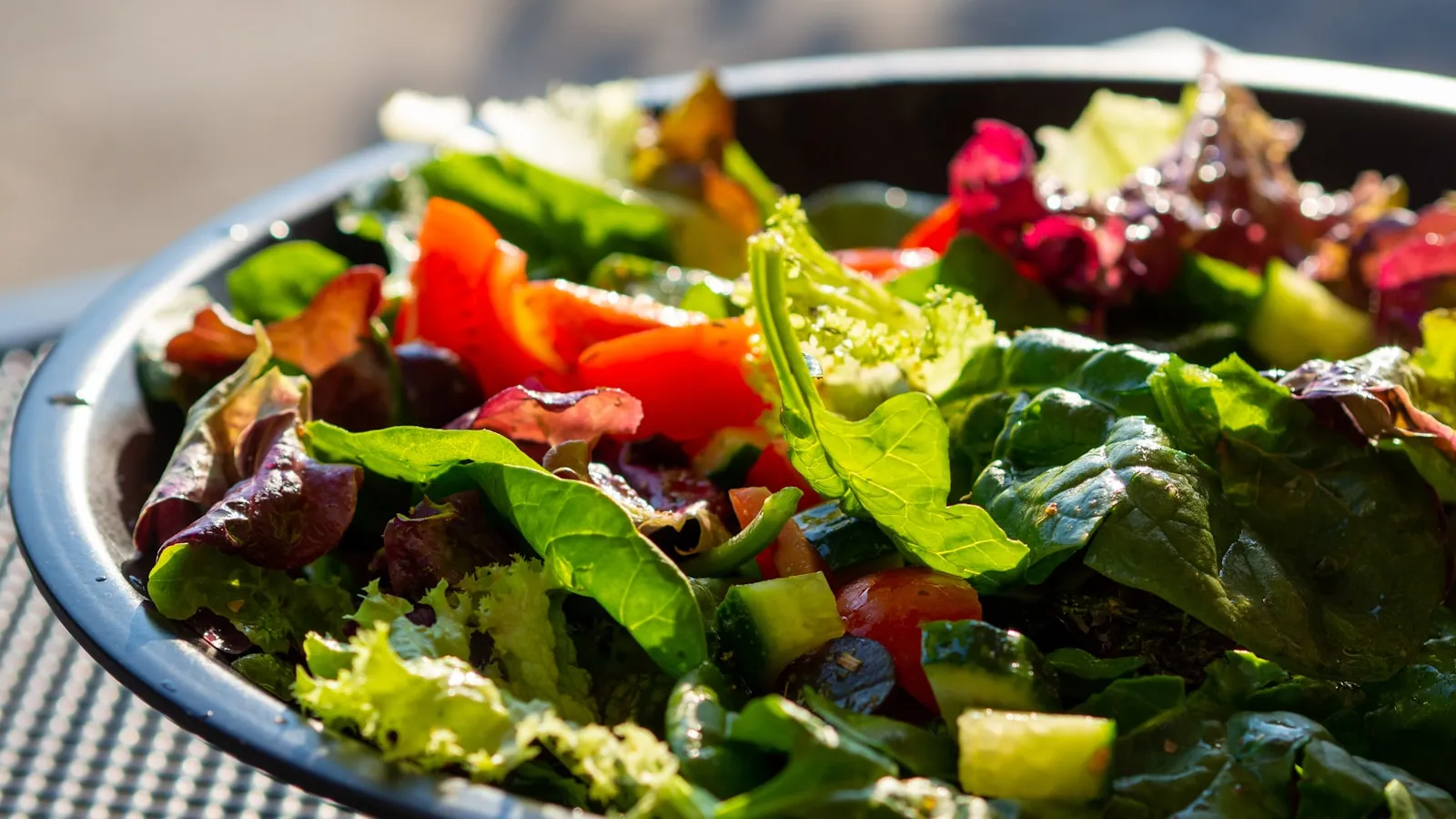
Nutrition during menopause can ease some symptoms, though food does not fix everything. The Dutch Health Council advises women from age 50 to take 10 micrograms of extra vitamin D daily, because your bones can break down faster in this phase. Protein, fibre and phytoestrogens can also support you with hot flushes, weight and energy.
What stands out to me in practice: many women look for one miracle food against hot flushes, and that rarely works. Food is one of the dials you can turn, alongside sleep, movement and sometimes medical guidance. Below you read what you can eat, and when a blood test gives you more clarity.
Nutrition during menopause: what is best to eat?
During menopause you eat best the way you do in the rest of your life: varied, with plenty of vegetables, fruit, wholegrain products, legumes and enough protein. The Netherlands Nutrition Centre calls this the Wheel of Five. Extra attention to calcium, vitamin D and protein can help, because your body changes in this phase.
Menopause begins on average around age 51, but the perimenopause around it can start years earlier. In those years your oestrogen falls gradually, which affects your bones, your mood and sometimes your weight.
Food does not change your hormones, but it can support your body.
Eating well during menopause is not about strict dieting, but about keeping your basics in order. If you want to understand the basics, first read our article on nutrition and your hormone balance. If the phase before your last period is the main issue, see perimenopause.
Nutrition and hot flushes
Hot flushes are linked to your falling oestrogen. Phytoestrogens from soy, such as in tofu, edamame and soy drink, resemble oestrogen chemically and are often mentioned against hot flushes. The evidence is mixed, though: a large 2013 Cochrane review found no conclusive evidence that phytoestrogen supplements clearly reduce hot flushes.
Still, some women report that soy-rich food helps them. Researchers occasionally see a small effect, especially with whole soy products such as tofu and edamame. With isolated supplements that effect is less clear.
There is no single miracle food against hot flushes.
What else you can try: watch triggers such as alcohol, caffeine and spicy food, which set off hot flushes in some women. You can read more about plant-based oestrogens in our article on estrogen in food.
Bones, calcium and vitamin D
After menopause your bones break down faster because oestrogen falls. Calcium and vitamin D therefore belong to the main points of attention. The Dutch Health Council advises women aged 50 to 70 to take 10 micrograms of extra vitamin D daily. From age 70 that rises to 20 micrograms, alongside enough calcium from your food.
Calcium is found mainly in dairy, such as milk, yoghurt and cheese, and in smaller amounts in green vegetables, nuts and legumes. The Netherlands Nutrition Centre uses a guideline of roughly 950 to 1200 milligrams of calcium per day for adult women, depending on your age.
Your skin makes vitamin D mainly under the influence of sunlight. In the Netherlands that is too little for a large part of the year, which is why a supplement can be sensible for many women. Whether you have enough vitamin D can be checked with a blood test.
Strong bones are built over years, not in a few weeks.
Weight and appetite during menopause
Many women gain weight around menopause, especially around the belly. That is partly due to hormones and partly to age, which lowers your muscle mass and energy needs. Enough protein and fibre can support your feeling of fullness, so you manage more easily on less.
You find protein in meat, fish, eggs, dairy, legumes and tofu. Fibre is in wholegrain products, vegetables, fruit and legumes, and keeps your blood sugar steadier. Together they can help you snack less between meals.
Your energy can also fluctuate in this phase. Wholesome carbohydrates, such as wholemeal bread, oats and brown rice, give energy for longer than fast sugars. If you want to know more about weight in this period, read weight gain in menopause.
The table below places common menopausal symptoms next to a nutritional approach that can help.
| Menopausal symptom | Nutritional approach | Source of the nutrient |
|---|---|---|
| Hot flushes | Phytoestrogens from soy | Tofu, edamame, tempeh, soy drink |
| Bone loss | Calcium and vitamin D | Dairy and green vegetables; vitamin D from sunlight and a supplement |
| Weight and appetite | Protein and fibre | Fish, eggs, legumes, wholegrain products, vegetables |
| Fluctuating energy | Wholesome carbohydrates | Wholemeal bread, oats, brown rice |
Menopause in view through Lunara
Nutrition works best when you know what is going on in your body. A blood test shows how your hormones, your vitamin D and sometimes your thyroid are doing. The Menopause Check brings the main values around menopause into view, so you can make more targeted choices.
You test without a referral and receive your result digitally, with an explanation from a BIG-registered doctor. What I often tell women: do not change everything at once, but first look at what your values show. If something changes about your symptoms, discuss your results with your GP.
Frequently asked questions
Which food helps best against hot flushes?
There is no food that removes hot flushes for certain. Some women notice benefit from soy products with phytoestrogens, while the research on that is mixed. Also watch triggers such as alcohol, caffeine and spicy food.
Do I need a calcium supplement during menopause?
Not necessarily. If you eat enough dairy or other calcium sources, you often already get enough. For vitamin D the Dutch Health Council does advise women from age 50 a daily supplement, so that is worth asking about.
References
- Gezondheidsraad (Dutch Health Council). Evaluation of the dietary reference values for vitamin D. The Hague: Gezondheidsraad, 2012.
- Gezondheidsraad (Dutch Health Council). Dutch dietary guidelines 2015. The Hague: Gezondheidsraad, 2015.
- Voedingscentrum (Netherlands Nutrition Centre). Calcium, vitamin D and healthy eating around menopause. Available via voedingscentrum.nl, accessed 2026.
- Lethaby A, Marjoribanks J, Kronenberg F, Roberts H, Eden J, Brown J. Phytoestrogens for menopausal vasomotor symptoms. Cochrane Database of Systematic Reviews. 2013. PMID: 24323914.
Every blood test result through Lunara includes a professional assessment by a BIG-registered doctor. For treatment decisions, discuss your results with your GP.
See Lunarahealth more often in Google
Add us as a preferred source. Google will then show our articles more often in your search results and in AI overviews. You can turn this off again at any time.
That did not work. Please try again.
Author
Lunarahealth
Dr. Naimi, BIG-registered physician, oversees the medical standards behind our content and assessments. Read our medical policy
Related Tests
Related Posts
Iron rich foods: 14 sources and how much iron they provide
Supplements for hormone balance: what works and what to test first