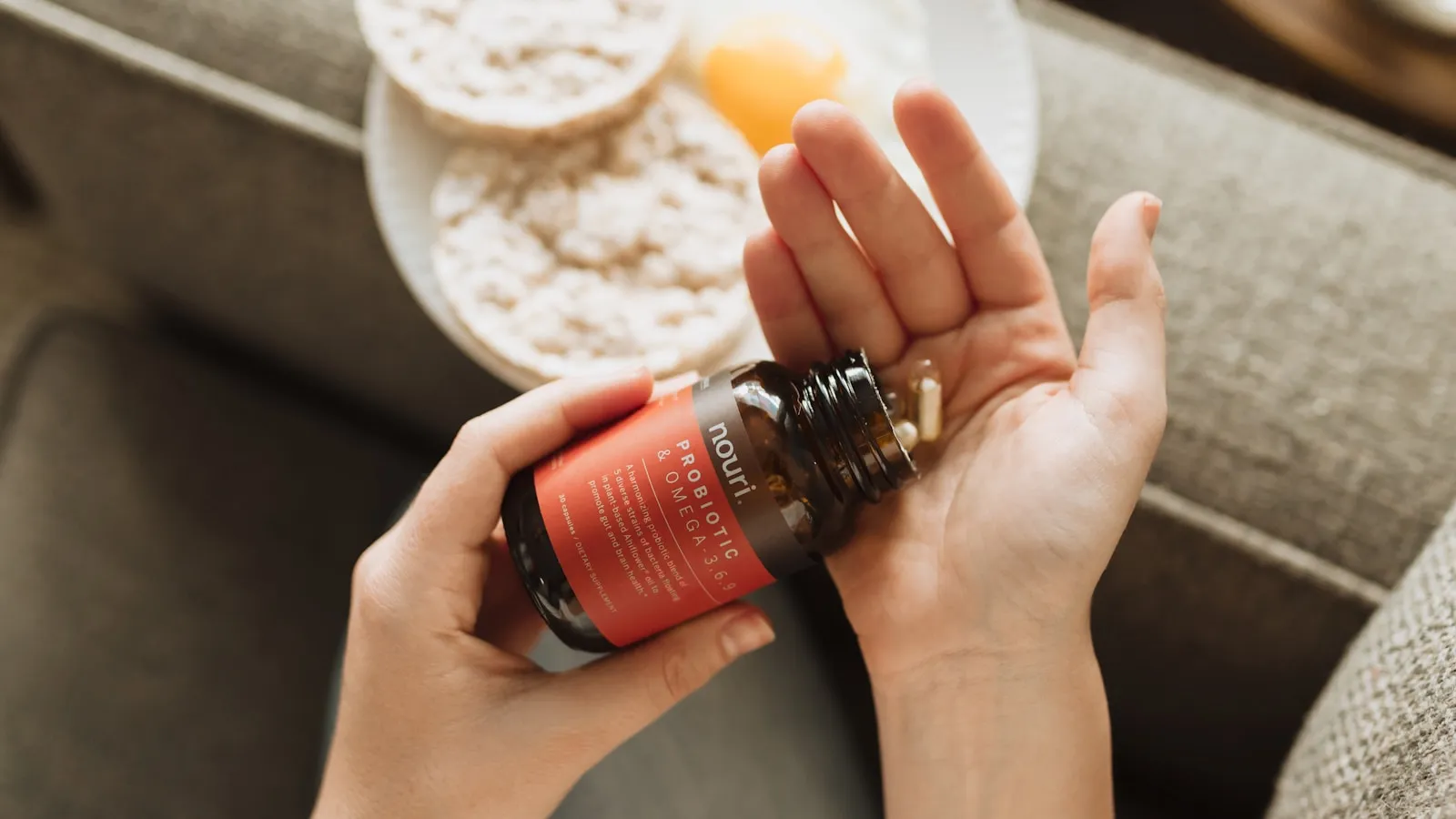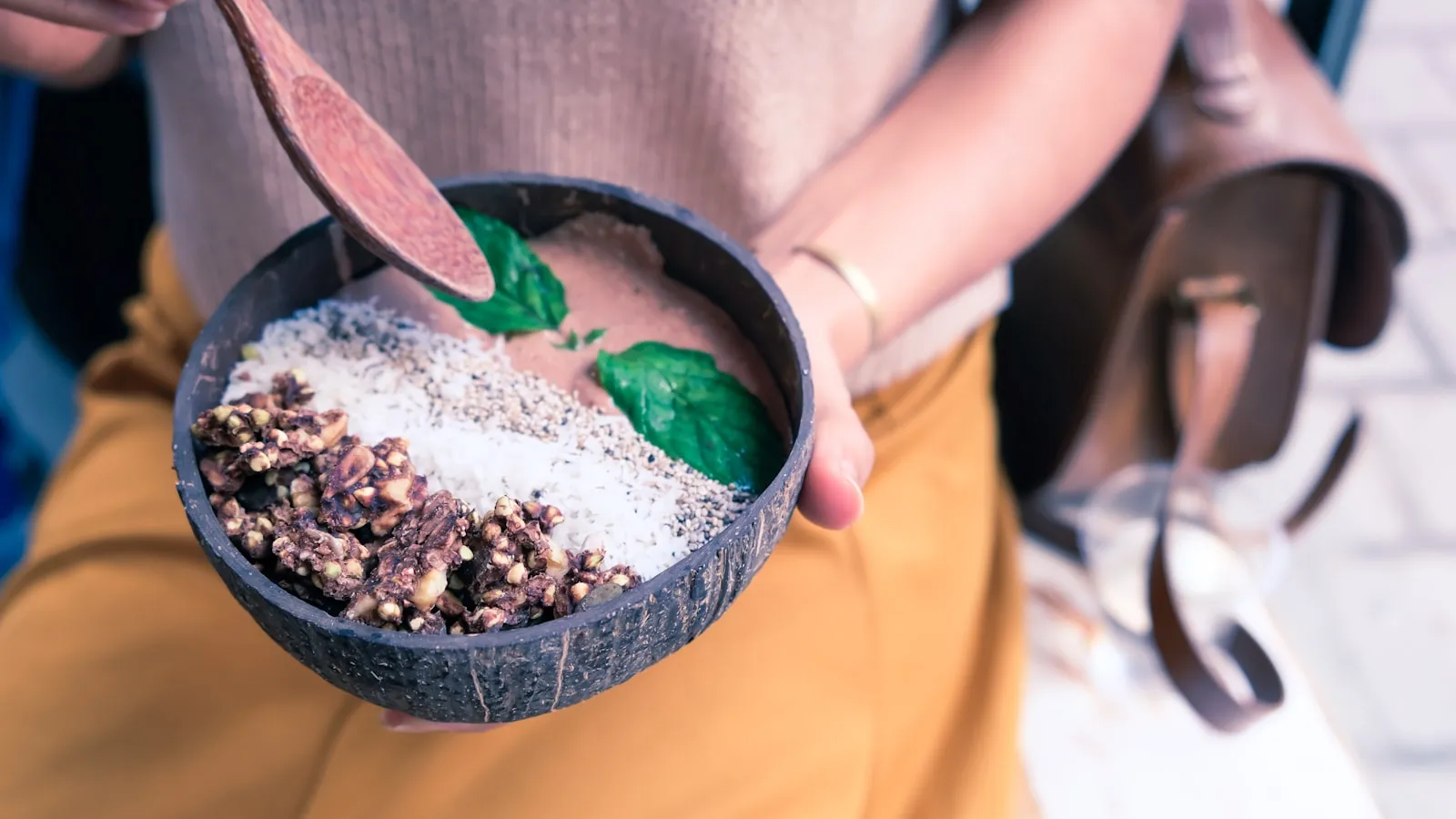
Seed cycling is the idea that four kinds of seeds can steer your hormones: flaxseed and pumpkin seeds in the first half of your cycle, sesame and sunflower seeds in the second. It sounds logical, but direct studies of exactly this schedule barely exist. Seeds are nourishing anyway.
My take: seed cycling can do no harm and gives you healthy fats, but the promise that seeds "balance" your oestrogen and progesterone has not been proven. What strikes me is how confident many blogs sound while the evidence is actually cautious. Below you read what research does and does not show.
What is seed cycling?
Seed cycling is a food ritual in which you eat different seeds per half of your cycle. In the follicular phase, from day 1 to ovulation, you take a tablespoon of ground flaxseed and pumpkin seeds daily. In the luteal phase, after ovulation until your period, you switch to sesame and sunflower seeds. Each phase gets its own nutrients this way.
The reasoning revolves around lignans and minerals. Flaxseed and sesame seeds are rich in lignans, a group of plant compounds. Pumpkin seeds supply zinc, sunflower seeds vitamin E and selenium.
Supporters link the follicular phase to oestrogen and the luteal phase to progesterone. They claim the first two seeds support your oestrogen and the last two your progesterone. Whether your body really responds this way to a tablespoon of seed is the core question of this article.
Does seed cycling work according to research?
Direct evidence for seed cycling is limited. A 2025 systematic review found ten mostly small studies among 635 women, with signals toward a more regular cycle and less PMS. The authors themselves stress that large randomised studies of the full schedule are missing. So cautiously positive, not a proven hormone switch.
What often gets cited is a study on flaxseed and the cycle. Women who ate flaxseed daily had, on average, a slightly longer luteal phase and a higher progesterone-to-oestradiol ratio (Phipps, 1993). That is interesting, but it concerned flaxseed alone, not the four-seed schedule.
If you search online for seed cycling experiences, you read many enthusiastic stories. Personal experiences are valuable, but they do not prove cause and effect. Your cycle fluctuates naturally, and many complaints shift on their own.
The honest answer is that seeds are healthy, while the strict phase schedule remains scientifically unproven.
| Claim about seed cycling | What the evidence shows | Level-headed conclusion |
|---|---|---|
| Seeds balance your oestrogen in phase 1 | Flaxseed contains lignans that may act weakly on oestrogen receptors; an effect on your blood values has not been shown | Plausible mechanism, no proven steering |
| Seeds raise your progesterone in phase 2 | One old study saw a higher progesterone-to-oestradiol ratio with flaxseed, not with the luteal seed pair | Uncertain: isolated evidence, not for this schedule |
| Seed cycling restores your cycle | Small studies sometimes see a more regular cycle, but large randomised research is missing | Possibly beneficial, not yet proven |
| Seeds are nourishing anyway | Seeds provide fibre, healthy fats and minerals (Voedingscentrum) | True: this is the strongest reason to eat them |
What seeds can genuinely do for you
Apart from hormone claims, seeds are a fine addition to your food. According to the Voedingscentrum, nuts and seeds provide healthy unsaturated fats, fibre and minerals. Flaxseed gives omega-3, pumpkin seeds zinc, sesame seeds calcium. Those nutrients fit a varied diet anyway, hormone schedule or not.
Fibre helps your gut and may play a part in clearing oestrogen. Healthy fats are building blocks for your hormones. That does not mean more seeds automatically means better hormones, but a handful a day fits fine.
If you want to understand how food and your hormones connect, read our overview on nutrition and your hormone balance. If you are mainly curious about plant oestrogens, see estrogen in food.
How to try seed cycling safely
If you want to try seed cycling, you can do so safely as an addition. Eat about a tablespoon of ground seeds per type daily, switch per half of your cycle, and grind flaxseed so you absorb it better. Combine it with a varied diet rather than as a replacement. Stop if you have an allergy or gut complaints.
If you have an irregular cycle, the boundary between the phases is hard to pin down. You can then simply take one pair for two weeks and the other pair for two weeks. Expect no miracle, but a nourishing habit.
During menopause your cycle changes or stops, and the phase schedule falls away. Food stays valuable, but in a different way. You read more about that in nutrition during menopause.
If your complaints persist, such as missed periods or severe pain, discuss them with your GP rather than waiting on seeds.
Your hormones in view through Lunara
Before you pin your hopes on a seed schedule, it can help to know where your hormones stand now. A blood test gives you data points, not a diagnosis. The Hormones for Women test can, for example, map your oestradiol and progesterone, so you look more precisely.
In practice I prefer to see seed cycling as a healthy habit, not as a replacement for insight into your values. That way you see whether changes you notice also show up in your values. You receive your result digitally, with context from a BIG-registered doctor.
If something important changes, then discuss your results with your GP.
Frequently asked questions
Is seed cycling harmful?
For most women, no. Seeds are nourishing and a tablespoon per type per day is a safe amount. If you have a nut or seed allergy, or you get gut complaints, you are better off leaving it. If in doubt, talk to your GP.
How long before seed cycling works?
There is no reliable answer, because good research on the full schedule is missing. Supporters often mention three to four cycles. See it mainly as a healthy habit, not as a treatment with a guaranteed result.
References
- Phipps WR, Martini MC, Lampe JW, Slavin JL, Kurzer MS. Effect of flax seed ingestion on the menstrual cycle. J Clin Endocrinol Metab. 1993. PMID: 8077314.
- Nagarajan DR, Jacob DM, Mufti MM, Rajesh S, Dube R. Efficacy of seed cycling as an integrative therapy for premenstrual syndrome and polycystic ovary syndrome in reproductive-aged women: a systematic review. Cureus. 2025. PMID: 41018334.
- Voedingscentrum. Nuts and seeds and healthy (unsaturated) fats. Available via voedingscentrum.nl.
Every blood test result through Lunara includes a professional assessment by a BIG-registered doctor. For treatment decisions, discuss your results with your GP.
Author