Estrogen in food comes mainly from plant compounds called phyto-estrogens. Soy, flaxseed, sesame, legumes and wholegrain products contain them naturally. These natural estrogens resemble your own hormone in shape, but work a good deal weaker. In this article you see which foods contain them and what the research says about it.
What strikes me: a lot of fear hangs around this topic, as if a block of tofu sends your hormones spinning. My take is more sober. Phyto-estrogens belong to a varied diet, they are not a medicine. Below you read what they are, where they occur and why food does not simply push your estrogen level up. You find more context in our overview on nutrition and your hormone balance.
Which foods contain estrogen?
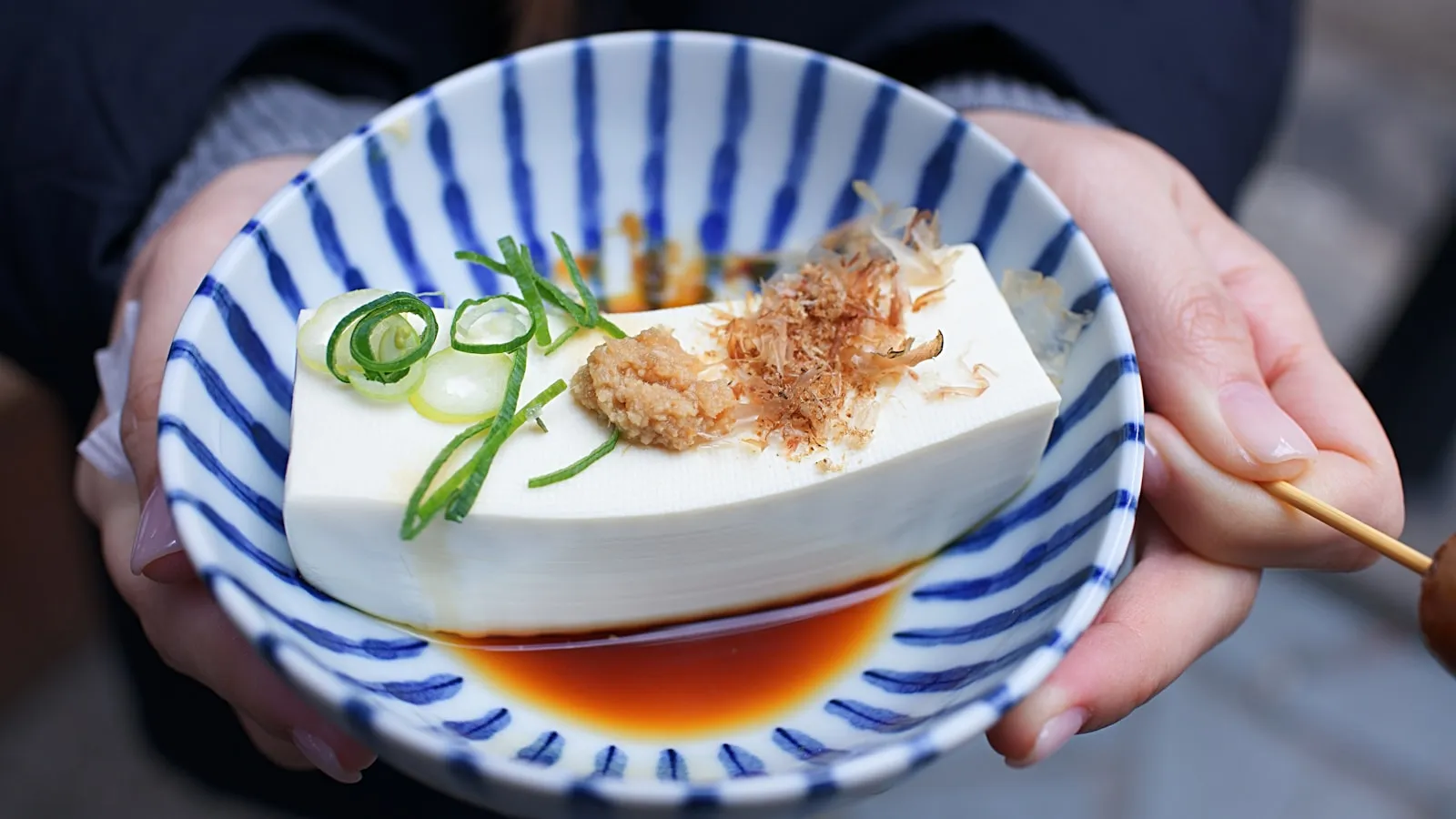
Food does not contain human estrogen, but plant variants called phyto-estrogens. The richest sources are soy and soy products such as tofu and tempeh, followed by flaxseed and sesame. Legumes, wholegrain products and alfalfa sprouts add smaller amounts. So it is about natural estrogens from plants, not the hormone itself.
The Netherlands Nutrition Centre (Voedingscentrum) counts soy and legumes as part of a healthy, varied diet. They are known as good plant protein sources, and the phyto-estrogens are a natural bonus alongside that. You do not need to seek them out, and you do not need to avoid them either.
The table below lists the main sources. For each food you see which type of phyto-estrogen it holds and where it naturally comes from.
| Food | Type of phyto-estrogen | Where it naturally occurs |
|---|---|---|
| Soy, tofu, tempeh, edamame | Isoflavones | Soybeans and soy products |
| Flaxseed (ground) | Lignans | Seed of the flax plant |
| Sesame seeds and tahini | Lignans | Sesame seeds |
| Legumes (chickpeas, lentils, beans) | Isoflavones (small amounts) | Dried and cooked legumes |
| Wholegrain products | Lignans | The bran of wholegrain cereals |
| Alfalfa and bean sprouts | Coumestans | Young shoots and sprouts |
What are phyto-estrogens?
Phyto-estrogens are plant compounds with a structure that resembles estrogen. They fit weakly onto the same receptors in your body, so they can have a mild estrogen-like or a blocking effect. The three best-known groups are isoflavones, lignans and coumestans. Their action is much weaker than that of your own hormone (Rietjens et al., 2017).
You find isoflavones mainly in soy and to a lesser extent in legumes. Lignans sit in flaxseed, sesame and wholegrain products. Coumestans occur in young shoots and sprouts, such as alfalfa and bean sprouts.
Your gut bacteria partly decide how strong the effect is. Some women convert soy isoflavones into a more active compound, others far less. So the same meal can play out differently in two people. That partly explains why research finds no single, clear effect.
Soy and estrogen: what does the research say?
Soy contains isoflavones, the most studied phyto-estrogens. A large Cochrane review found no convincing evidence that soy isoflavones clearly reduce hot flushes in menopause (Lethaby et al., 2013). For healthy adults, research does not point to harmful hormonal effects at usual amounts.
So the fear that soy disrupts your estrogen is largely unfounded. In many Asian countries soy has been on the daily menu for generations. The Netherlands Nutrition Centre sees soy as a fine replacement for meat, as long as you vary.
Are you in menopause and hoping to ease symptoms through your plate? That may or may not help, because the evidence is weak. In our article on nutrition during menopause you read what food can and cannot do.
Do these foods really raise your estrogen?
Probably not strongly. Phyto-estrogens work much weaker than your own estrogen, and the effect differs from person to person. Food with estrogen-like compounds can support your hormone balance, but usually does not simply lift a low estrogen level. See it as part of a healthy pattern, not as hormone therapy.
Do you want to raise your estrogen on purpose, for instance with symptoms or a low value? Then lifestyle, weight and sometimes medical treatment play a bigger role than single foods. For that, read our how-to on increasing oestrogen naturally, which also covers when testing can make sense.
My advice in practice: enjoy soy, flaxseed and legumes for what they are. Just do not count on them as a dial for adjusting your hormones.
Checking estrogen in food through Lunara
Food with phyto-estrogens does something slightly different in everyone, and what it does to your values you cannot see on your plate. Want to know where your estrogen stands now? Then you can have your hormones measured. The Hormones for Women test gives you a snapshot of your estradiol and related hormones.
You test without a referral and receive your result digitally, with an explanation from a BIG-registered doctor. A blood test gives you a data point, not a diagnosis. So always discuss an abnormal result with your GP.
Frequently asked questions
Is soy bad for my hormones?
For most healthy adults, no. Research shows no harmful hormonal effects at usual amounts of soy. If you are unsure because of a condition or medication, discuss it with your GP.
Can I raise my estrogen with flaxseed?
Flaxseed provides lignans, but the effect on your estrogen level is probably small and differs per person. See it as a healthy source of fibre and omega-3, not as a means to raise your hormones.
References
- Lethaby A, Marjoribanks J, Kronenberg F, Roberts H, Eden J, Brown J. Phytoestrogens for menopausal vasomotor symptoms. Cochrane Database of Systematic Reviews, 2013. PMID: 24323914.
- Rietjens IMCM, Louisse J, Beekmann K. The potential health effects of dietary phytoestrogens. British Journal of Pharmacology, 2017. PMID: 27723080.
- Netherlands Nutrition Centre (Voedingscentrum). Soy and legumes in a healthy diet. Voedingscentrum, The Hague. Available via voedingscentrum.nl.
Every blood test result through Lunara includes a professional assessment by a BIG-registered doctor. For treatment decisions, discuss your results with your GP.
Author
Lunarahealth
Related Tests
Related Posts
Supplements for hormone balance: what works and what to test first
Seed cycling: does eating seeds for your hormones really work?