Cardiovascular disease is the leading cause of death in women worldwide, and the risk clearly rises after menopause. Yet many people still picture a man with chest pain when they think of a heart attack. In women the symptoms can differ, and that sometimes leads to late recognition.
I think that is one of the most important things to know. Alongside chest pain, women more often get vague complaints such as extreme fatigue, shortness of breath, nausea or a pressing feeling. Those are more easily missed, including by women themselves.
In this article you read what cardiovascular disease looks like in women, which risk factors play a role and which blood values can give insight.
Are the symptoms different in women?
Partly yes. Chest pain is the most common symptom in women too, but women more often have accompanying or different complaints. Think of pain radiating to back or jaw, shortness of breath, nausea and overwhelming fatigue.
A scientific statement from the American Heart Association describes that a heart attack in women more often runs atypically and is recognised later (Mehta et al., 2016). That makes it extra important to take symptoms seriously.
Important: this article helps you understand symptoms, but does not replace a doctor. For acute, severe or persistent complaints, call the emergency number or your GP.
Which risk factors play a role in women?
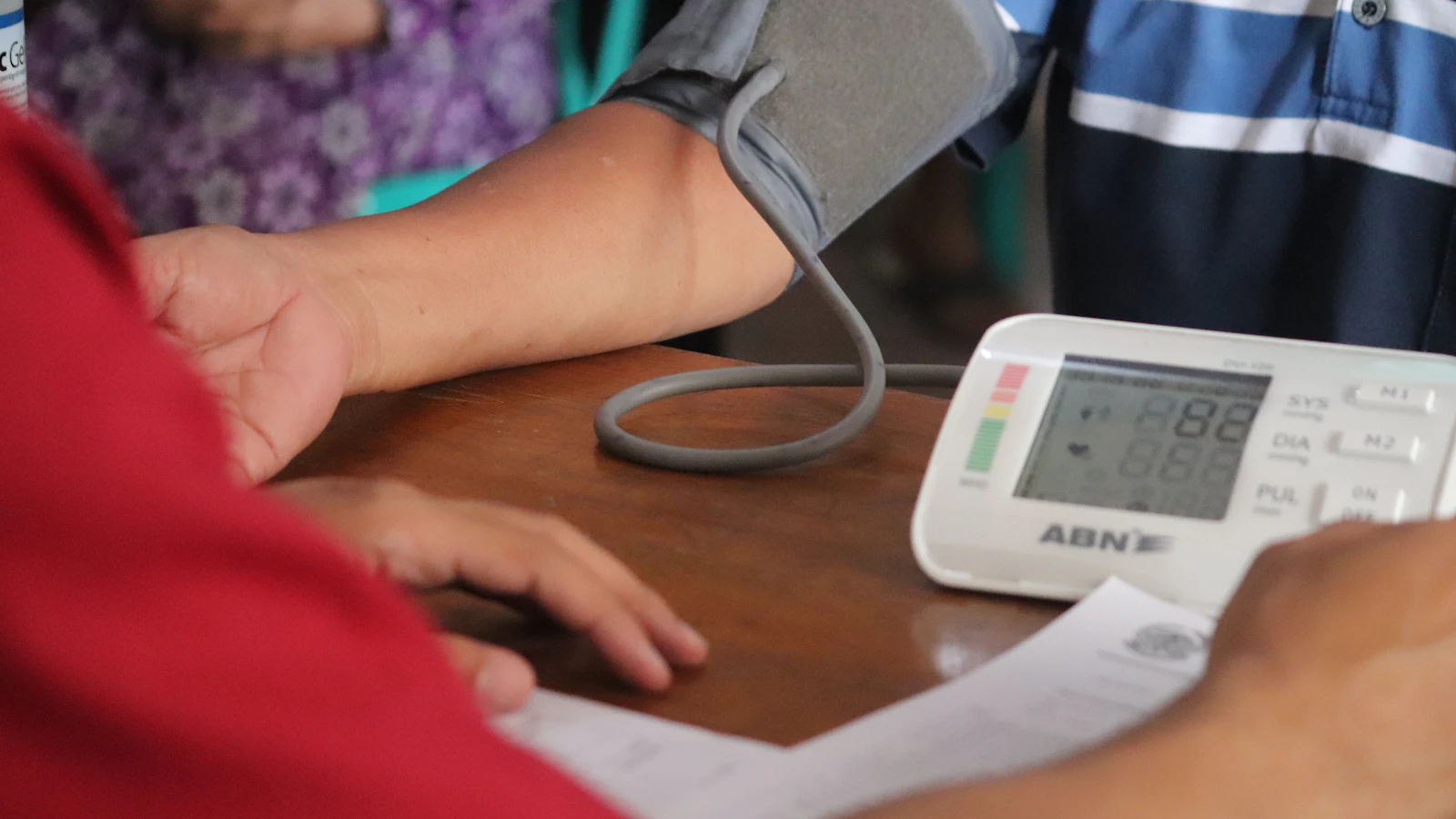
The biggest risk factors are partly the same as in men: high blood pressure, smoking, diabetes, high cholesterol and excess weight. The large INTERHEART study showed that a handful of modifiable factors explain most of the heart attack risk (Yusuf et al., 2004).
On top of that, there are female-specific factors. Pregnancy complications such as pre-eclampsia and gestational diabetes raise later risk. And menopause itself plays a part, as the drop in oestrogen affects the blood vessels.
The table below lists the main factors.
| Risk factor | Type |
|---|---|
| High blood pressure | general, modifiable |
| Smoking | general, modifiable |
| High cholesterol | general, partly modifiable |
| Diabetes | general, partly modifiable |
| Pregnancy complications | female-specific |
| Menopause (oestrogen decline) | female-specific, natural process |
The Dutch Heart Foundation (Hartstichting) stresses that the female heart was long underexposed in research. Fortunately that is changing, and there is more attention for women's own risks.
Why does the risk rise after menopause?
Around menopause your oestrogen falls, and that seems to protect your blood vessels less. At the same time, many women see their cholesterol rise and their fat distribution change. So several risk factors shift at once.
This is not a hunch. In the SWAN study, which followed thousands of women through menopause, cholesterol and related values rose most around the final period (Matthews et al., 2009). That makes this phase a logical moment to look at your heart health.
Read more about that hormonal side in our article on cholesterol and heart health after menopause.
Which blood values give insight into your heart health?
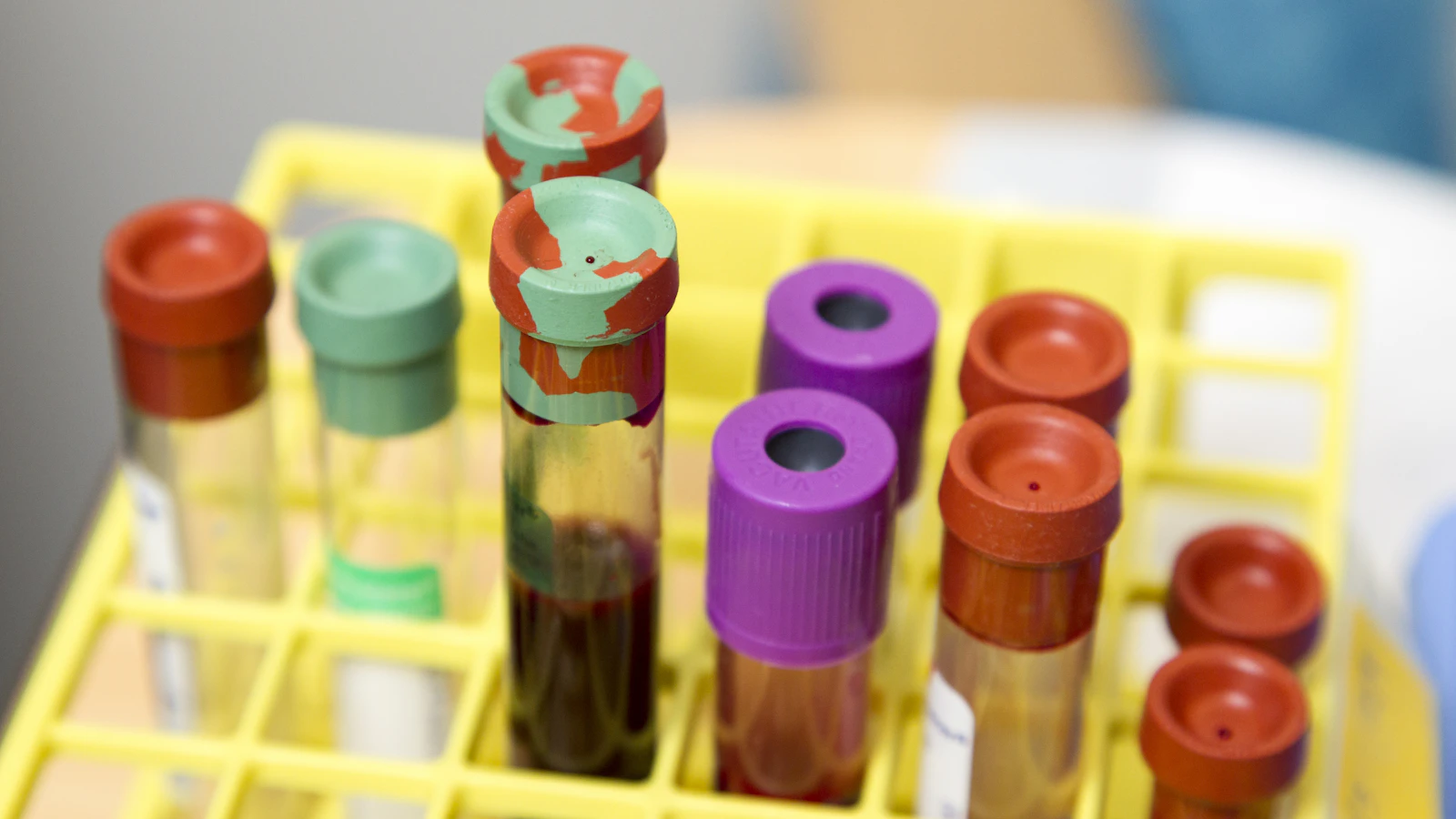
A number of blood values link to your cardiovascular risk. Cholesterol is the best known, but blood sugar and sometimes inflammation values play a role too. They are not a prediction, but they do give context.
The lipid profile is especially relevant. It measures your total cholesterol, LDL, HDL, the cholesterol ratio and triglycerides. Together they sketch your fat metabolism.
At Lunara you can measure this with a lipid profile, assessed by a BIG-registered doctor. If you only want to look at your bad cholesterol, you can check individual values such as LDL cholesterol. See a result as a snapshot, not a diagnosis.
What can you do yourself?
Many risk factors are modifiable. Not smoking, moving enough, eating well and a healthy weight all help. Because the risk rises after menopause, this is exactly when it is worthwhile.
Want to know whether preventive measuring fits you? Then read preventive blood testing for women. And for the broader picture of healthy ageing there is our overview on healthy ageing for women.
Recognise symptoms or have a raised risk in the family? Discuss that with your GP. They can help you decide what fits your situation.
Sources
- Mehta LS, Beckie TM, DeVon HA, et al. Acute Myocardial Infarction in Women: A Scientific Statement From the American Heart Association. Circulation. 2016;133(9):916-947. PMID 26811316.
- Matthews KA, Crawford SL, Chae CU, et al. Are changes in cardiovascular disease risk factors in midlife women due to chronological aging or to the menopausal transition? J Am Coll Cardiol. 2009;54(25):2366-2373. PMID 20082925.
- Yusuf S, Hawken S, Ôunpuu S, et al. Effect of potentially modifiable risk factors associated with myocardial infarction in 52 countries (the INTERHEART study): case-control study. Lancet. 2004;364(9438):937-952. PMID 15364185.
- Hartstichting. Cardiovascular disease in women. Available via hartstichting.nl.
Every blood test result at Lunara includes a professional assessment by a BIG-registered doctor. For treatment decisions, discuss your results with your GP.
Author