"You are probably just tired, it comes with the territory." Many women hear that line while something concrete may sit underneath it: a creeping iron deficiency. Iron deficiency is the most common nutritional shortage worldwide, and through menstruation, pregnancy and breastfeeding you, as a woman, simply have a higher iron need than a man. The early stage is often missed, because the complaints come on gradually and are easily attributed to something else.
The good side of the story: iron deficiency is largely preventable. With the right nutrition, smart combinations on your plate and timely testing you keep your store up without supplementing blindly. My stance: food first, supplements only guided by a measurement. Below you read how.
Why are women at higher risk?
The main reason is blood loss through menstruation. With every period you lose iron through the blood. The average woman loses around 30 to 40 ml of blood per period, but with a heavy period (menorrhagia) that can rise to 80 ml or more. Over the years that difference has a real impact on your iron stores.
There are also life phases in which your iron need rises sharply. The Health Council of the Netherlands (Gezondheidsraad) therefore sets a higher recommended intake for menstruating and pregnant women than for men.
| Life phase | Why more iron | Point of attention |
|---|---|---|
| Menstruation | Monthly blood loss | A heavy period strongly raises the risk |
| Pregnancy | Blood volume rises, baby grows | Need increases through the pregnancy |
| Breastfeeding | Iron goes to your baby | Your own store must carry this |
| Puberty | Rapid growth plus start of periods | Teenage girls extra vulnerable |
| Intensive sport | Higher use, sometimes extra breakdown | Especially endurance sport like running |
Your eating pattern matters too. If you eat little or no meat, you take in less well-absorbed iron. That need not be a problem, but it does call for extra awareness and planning.
Complaints of iron deficiency: more than just tired
Iron deficiency develops gradually and the complaints are broad. Many women get used to the complaints and only notice afterwards how much better they feel after treatment. Common signals are:
- Persistent fatigue that does not disappear with enough sleep
- Paleness of skin, gums or the inside of the eyelids
- Dizziness or light-headedness on standing up
- Palpitations or breathlessness on light exertion
- Concentration problems and forgetfulness
- Hair loss and brittle nails
- Cold hands and feet
- Restless legs, particularly at night
- Pica: a strange urge to chew on ice or other non-foods
Ferritin versus haemoglobin: know the difference
At the GP often only haemoglobin (Hb) is measured. If that is normal, you hear that nothing is wrong. But haemoglobin is a late indicator: only when your stores are heavily depleted does your haemoglobin drop. By then you are already in the anaemia phase.
Ferritin is a far more sensitive marker. It measures your iron store and falls long before your haemoglobin sinks. So you can feel tired and listless while your haemoglobin is still within range. Doctors call this a latent iron deficiency: no anaemia, but empty stores and complaints already present. A separate spoke goes deeper into this: iron deficiency without anaemia.
Want to know it more precisely, then transferrin and transferrin saturation complete the picture. Transferrin is the transport protein and rises with a deficiency, while a low saturation (below 20%) confirms that too little iron is in circulation.
Iron-rich food: haem versus non-haem iron
Iron in food comes in two forms, and the difference in absorption is large. The Netherlands Nutrition Centre (Voedingscentrum) sums it up crisply: iron from animal products is absorbed better than iron from plant sources.
| Type of iron | Absorption | Sources |
|---|---|---|
| Haem iron (animal) | About 15 to 35%, little influenced by the meal | Beef and lamb, liver, mussels, dark chicken meat |
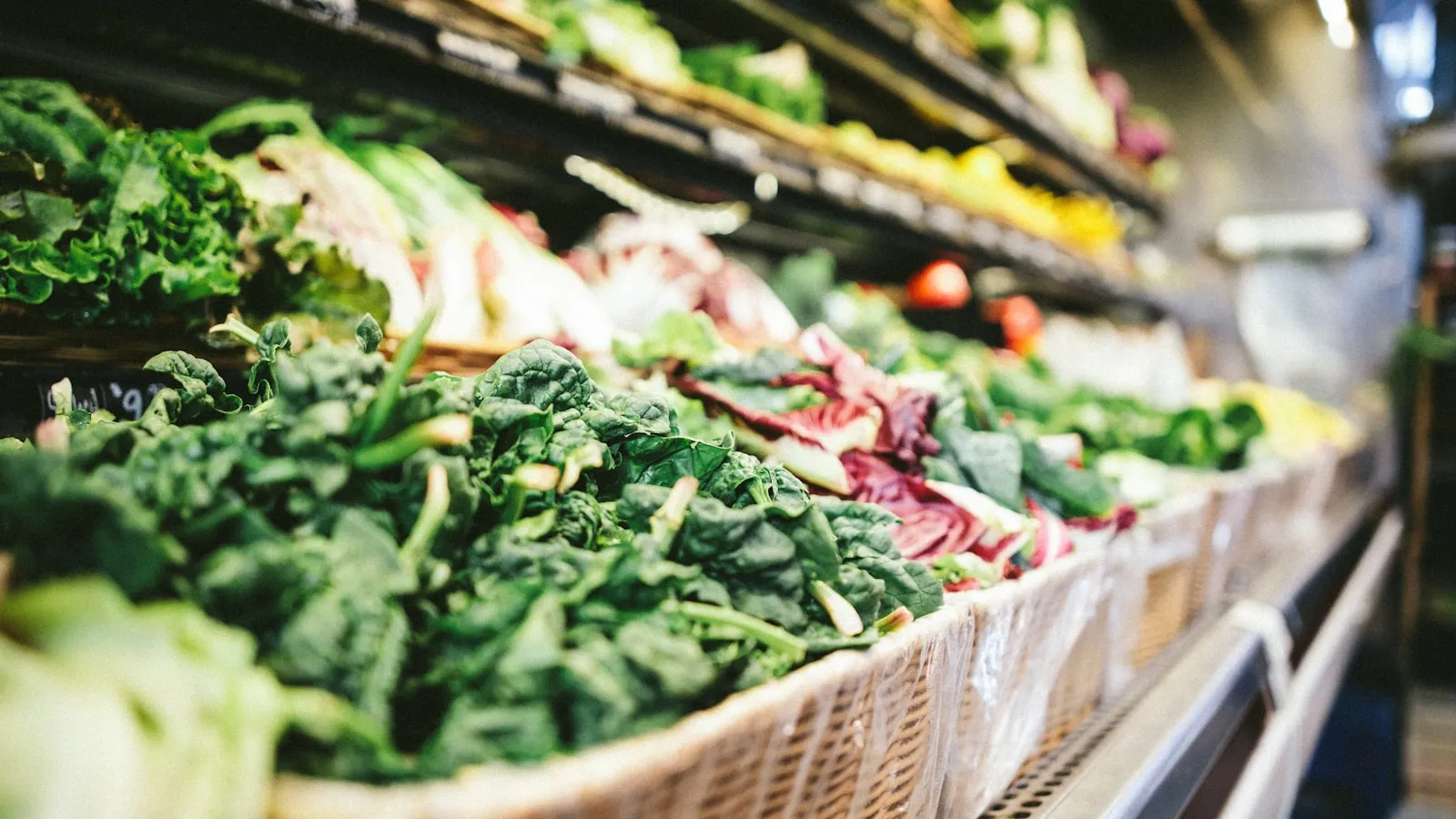
| Non-haem iron (plant) | About 2 to 20%, strongly dependent on combinations | Lentils, chickpeas, spinach, pumpkin seeds, tofu, oats |
If you eat vegetarian or vegan, plant iron is perfectly adequate, but you get the return mainly from smart combinations. The next section is about that.
Improving absorption and avoiding inhibitors
How well you absorb iron depends not only on what you eat, but also on what you eat with it. This applies especially to non-haem iron.
| Improves absorption | Inhibits absorption |
|---|---|
| Vitamin C (orange, pepper, kiwi, lemon) | Coffee and tea (tannins) |
| A little meat or fish with the meal | Dairy (calcium) at the same meal |
| Fermenting, soaking and sprouting grains | Phytic acid in wholegrain and pulses |
In practice this means: drink your coffee or tea preferably an hour before or two hours after an iron-rich meal, not with it. And a glass of orange juice or a handful of pepper with your lentils raises absorption noticeably.
Supplements: when, which form and how long?
Iron supplements are only useful once a blood test has shown a deficiency. Supplementing blindly is unwise: too much iron can cause oxidative damage and burden your liver and heart. Some guidelines, always in consultation with your GP:
- Form - iron bisglycinate is usually better tolerated than iron fumarate or iron sulphate, with fewer gut complaints.
- Dose - depends on severity. For a latent deficiency 30 to 60 mg of elemental iron per day is often enough. More is not always better.
- Timing - preferably on an empty stomach, and not together with dairy, coffee or tea.
- Combine with vitamin C - a glass of water with lemon juice or some fruit improves absorption.
- Alternate dosing - supplementing every other day can be just as effective for some women and is better tolerated.
- Duration - replenishing your store usually takes three to six months. Do not stop too early, even if you already feel better.
- Repeat your test - check after three months whether your ferritin is rising.
Vegetarians and vegans: extra points of attention
If you eat no or little animal produce, being deliberate about iron is extra important. A plant-based diet can provide plenty of iron, but it takes more planning. Practical tips:
- Always combine plant iron sources with vitamin C in the same meal
- Vary your sources: pulses, green vegetables, nuts, seeds and grains
- Soak pulses and grains well before cooking to improve absorption
- Consider a periodic ferritin check, for example once or twice a year
- Be extra alert if you menstruate, are pregnant, breastfeed or do intensive sport
When to have your blood tested?
Consider an iron test in the following situations. Preferably have a complete profile drawn: ferritin, haemoglobin, iron and transferrin saturation together give the clearest picture. The Iron Status measures these in one draw.
- Persistent fatigue that does not disappear with enough sleep
- Paleness, palpitations or breathlessness on light exertion
- Concentration problems, hair loss or brittle nails
- Heavy or long periods
- Wish to conceive: build your stores well before pregnancy
- Vegetarian or vegan eating pattern
- Intensive endurance sport such as running
At Lunara you test without a referral and get an explanation per value from a BIG-registered doctor. Doubting between a single ferritin measurement and a broader test? Also look at the Anaemia test if your haemoglobin already seems lowered.
Frequently asked questions
How long does it take to replenish iron stores?
Your haemoglobin often improves within four to eight weeks of supplementing, but your ferritin (the real store) usually needs three to six months. Keep the supplementation going long enough, even if you already feel better, and stop in consultation with your doctor.
Can you take too much iron?
Yes. That is why you do not take iron without knowing your blood values. An iron excess can be harmful, and with the hereditary condition haemochromatosis supplementation is even dangerous. Always have it tested first whether there is really a deficiency.
Which blood test measures iron best?
Ferritin is the most informative single marker. For the fullest picture you combine ferritin, iron, haemoglobin and transferrin saturation. Discuss your result with a doctor.
References
- Health Council of the Netherlands (Gezondheidsraad). Dietary reference values for iron. Available via gezondheidsraad.nl.
- Netherlands Nutrition Centre (Voedingscentrum). Iron and iron-rich food. Available via voedingscentrum.nl.
- NHG Anaemia guideline and Thuisarts.nl. Iron-deficiency anaemia. Dutch College of General Practitioners.
Every blood test result through Lunara includes a professional assessment by a BIG-registered doctor. For treatment decisions, discuss your results with your GP.
See Lunarahealth more often in Google
Add us as a preferred source. Google will then show our articles more often in your search results and in AI overviews. You can turn this off again at any time.
That did not work. Please try again.
Author
Lunarahealth
Dr. Naimi, BIG-registered physician, oversees the medical standards behind our content and assessments. Read our medical policy