Raising HDL cholesterol works best through lifestyle: regular movement, quitting smoking, choosing healthy fats and losing excess weight. Big jumps are rare; it is usually small gains. And there is a nuance often left out: a low HDL is mainly a signal, not a single dial you simply turn.
That last point is, to me, the most important of this piece. For years the advice was "raise your HDL", until it turned out that drugs which only lifted HDL did not lower risk. Since then, doctors look at the whole: a low HDL often points to other things, such as little movement or excess weight. Below you read what does help. For context, read our overview on lowering cholesterol for women.
How do you raise your HDL cholesterol?
The biggest levers are movement, quitting smoking and your fat choice. Regular physical activity can raise HDL slightly. In a meta-analysis, the threshold for a measurable effect sat around 120 minutes of exercise per week (Kodama et al., 2007). The table below lists the best-known factors.
| Lifestyle factor | Rough direction of effect on HDL |
|---|---|
| Regular movement | can raise HDL slightly |
| Quitting smoking | can raise HDL |
| Unsaturated fat (oil, nuts, fish) | more favourable fat profile than saturated fat |
| Losing excess weight | can raise HDL |
| Many added sugars | linked to a lower HDL |
Note that it is always about "can" and "slightly". HDL is harder to steer than LDL or triglycerides. So do not expect a dramatic jump, but a more favourable whole.
Why is a low HDL a signal?
A low HDL is more common with little movement, excess weight, smoking and insulin resistance. Often it is not the low HDL itself that causes the risk, but the lifestyle beneath it. That is why doctors focus on those underlying factors, not the number alone.
This explains why "raising your HDL" is not a goal in itself. If you move more and eat more healthily, your HDL often improves a little on its own, along with the rest of your profile. The number follows the lifestyle, not the other way round. How to read those values is in our cholesterol values table.
What does HDL mean for women?
For women, a higher lower limit for HDL is often used than for men. Around menopause, HDL can also shift a little, while LDL rises in many women. That makes the whole picture in that phase slightly different from your thirties.
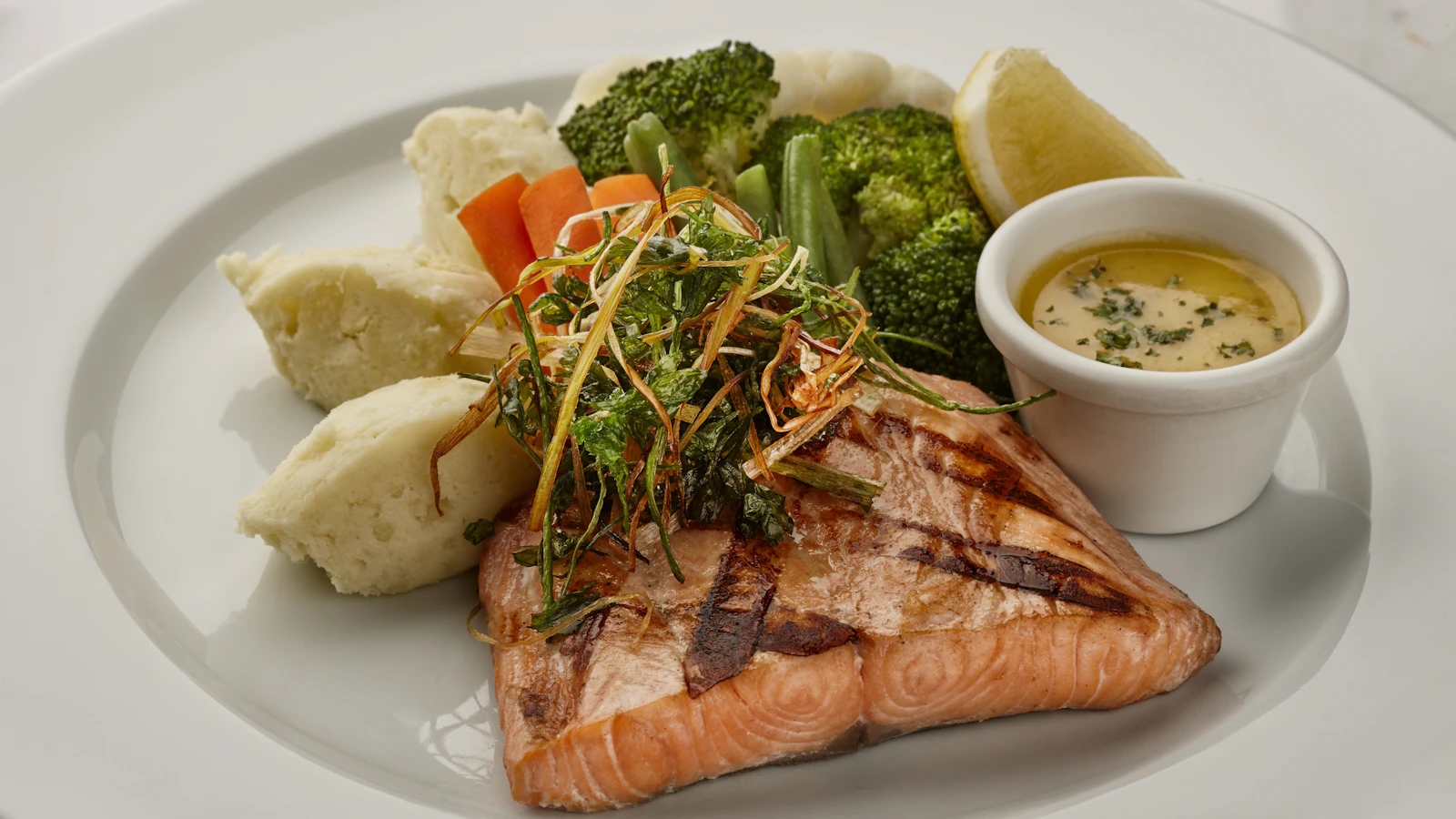
Food plays a role too. The Voedingscentrum stresses unsaturated fats from oil, nuts and fish over saturated fat. Which foods exactly help your whole cholesterol profile is in lowering cholesterol with food.
Can you have too high an HDL?
For a long time the rule was: the higher the HDL, the better. That picture is now more nuanced. A very high HDL turns out not always to be protective, and at exceptionally high values the benefit seems to flatten. For most people this is not a daily worry.
More important is that a nice HDL on its own is no free pass. It only counts combined with your LDL, your triglycerides and your risk profile. A high HDL alongside a high LDL is a different story than a high HDL with otherwise favourable values.
What I mainly want to pass on: do not fixate on this one number. A healthy whole weighs more than a record on one line of your result. If you have a strikingly high or low HDL, discuss it with your GP in the context of your whole profile.
When do you test your HDL?
Your HDL is measured as standard in a lipid profile, along with LDL and triglycerides. A standalone HDL says little; it only gains meaning next to your other values and your risk profile. That is why a full profile is more useful than one number.
Want to see your HDL in context? Then at Lunara you can take a lipid profile blood test or check your HDL cholesterol. Every result is assessed by a BIG-registered doctor. Discuss a low HDL with your GP, together with your lifestyle.
Pick one moment of movement this week that you will genuinely sustain, for example three brisk half-hour walks, and test again in a few months. Then discuss the result with your GP.
Sources
- Kodama S, Tanaka S, Saito K, et al. Effect of aerobic exercise training on serum levels of high-density lipoprotein cholesterol: a meta-analysis. Arch Intern Med. 2007;167(10):999-1008. PMID 17533202.
- Hartstichting. Cholesterol: good (HDL) and bad (LDL) cholesterol. Available via hartstichting.nl.
- Voedingscentrum. Saturated and unsaturated fat. Available via voedingscentrum.nl.
Every blood test result at Lunara includes a professional assessment by a BIG-registered doctor. For treatment decisions, discuss your results with your GP.
Author