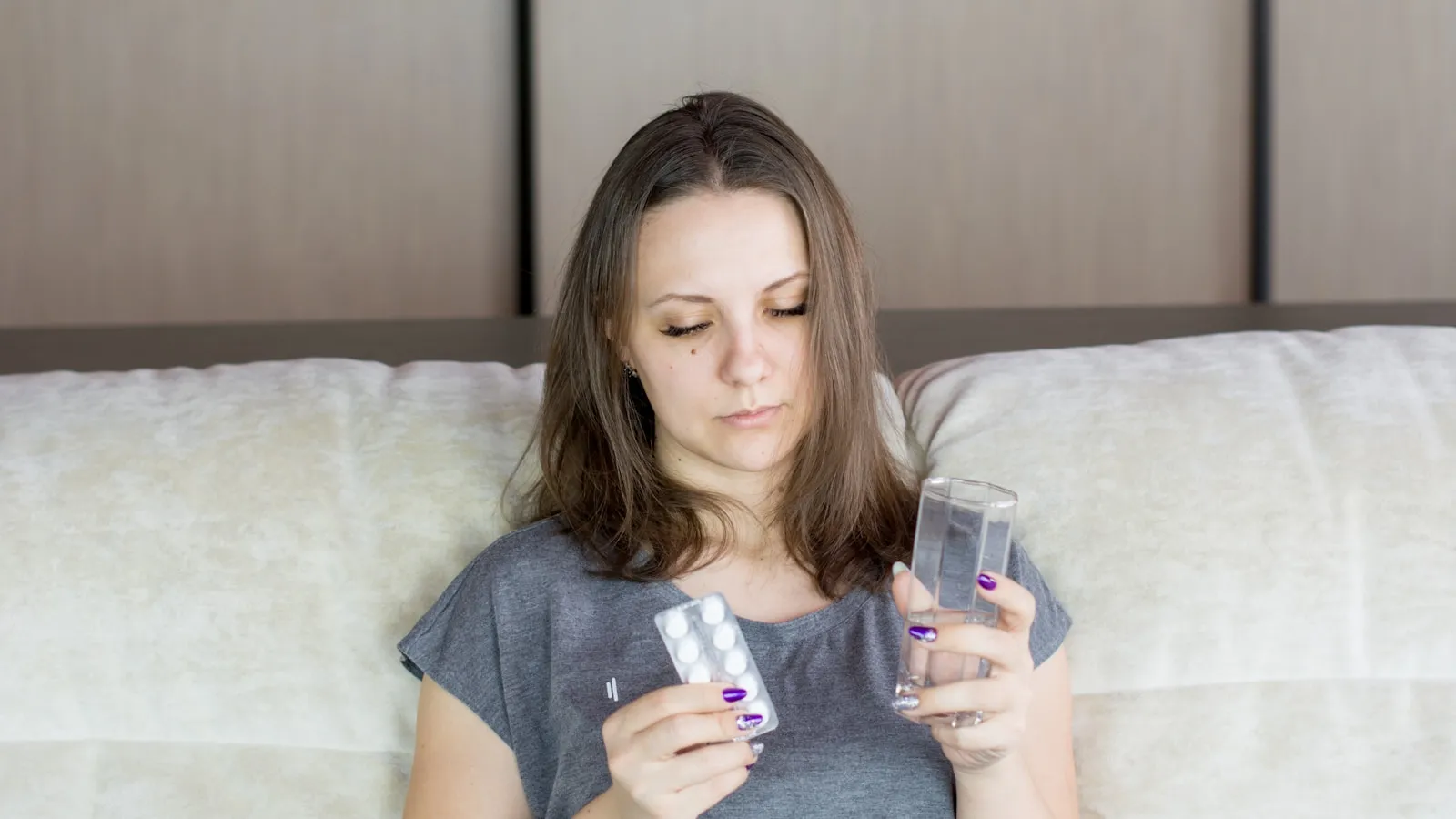
Your partner reaches for you in bed and you notice you are mostly hoping it stays at cuddling. Not because something is wrong between you, but because the desire simply is not there. Many women carry this around for months before they say it out loud, and that is understandable: libido feels personal and the cause is rarely captured in one sentence.
Here is my firm point: when desire for sex is low, looking only at your hormones is almost always too narrow. Hormones are one thread in a much bigger knot of stress, sleep, medication and how you feel in your relationship and your body.
Below you will read which hormones can play a role, what else matters, which values offer insight and when testing makes sense.
What role do hormones play in libido?
Hormones are one of the factors that can influence your interest in sex, but rarely the only one. Testosterone plays a role in desire in women too, estrogen helps with blood flow and the comfort of the mucous membranes, and a low SHBG or a shifting balance around menopause can help shape the picture.
- Testosterone, which plays a part in desire in women as well
- Estradiol, which helps with blood flow and comfort
- SHBG, which determines how much testosterone is freely available
No single value explains libido on its own. A result is at most one piece of the puzzle alongside your story and your lifestyle.
Which signal points to which cause?
Because libido has so many sides, it helps to recognise your own pattern before you test anything. The table below links a common signal to the direction you would look first. It is a tool to prepare your conversation with the GP, not a diagnosis.
| What you notice | Where to look first | What it may mean |
|---|---|---|
| Less desire alongside an erratic or absent cycle | Estradiol, testosterone, SHBG | A hormonal shift that may help shape desire |
| Drier mucous membranes, hot flushes, night sweats | Estradiol, FSH | A pattern that can fit perimenopause |
| Mainly persistent fatigue and exhaustion | General health, thyroid, iron | Fatigue that suppresses libido apart from your sex hormones |
| Symptoms began after a new medication | Medication and a talk with a doctor | A side effect, for example of some antidepressants |
| Less desire without physical signals | Stress, sleep, relationship | A picture that is often broader than a hormone value |
What else can play a part?
Besides hormones, many other things influence your interest in sex. Stress, fatigue, poor sleep, medication use and your relationship often weigh at least as heavily. That is why it is rarely useful to look only at your hormones.
- Ongoing stress or a high mental load
- Fatigue and poor sleep
- Certain medicines, including some antidepressants
- How you feel in your relationship and your body
According to Thuisarts.nl, lower interest in sex is also very common and often relates to several of these factors at once. If you feel mostly chronically tired and drained, it can be worth looking at your general health before turning to your hormones.
Libido and menopause
Around perimenopause and menopause the balance between estrogen and testosterone shifts, and that can influence your desire and comfort. Falling estrogen can make the mucous membranes drier, which can make sex less pleasant. The NHG and the Dutch Society of Obstetrics and Gynaecology (NVOG) describe this as a common, recognisable change around menopause.
If you recognise this alongside hot flushes or a changing cycle, read our pillar on perimenopause, symptoms and solutions. If low estrogen is mainly at play, read about estrogen deficiency, symptoms and what you can do. If you are unsure whether your symptoms relate to your cycle, see our pillar on irregular periods and which hormones to test.
When is a hormone test worthwhile?
A hormone test is mainly useful when low desire goes together with other hormonal symptoms, such as a changing cycle, hot flushes or fatigue. For libido alone, without other signals, the picture is often broader than a hormone value.
- Less desire together with a changing or erratic cycle
- Hot flushes, night sweats or drier mucous membranes
- Persistent fatigue alongside your libido symptoms
The Women's Hormones panel measures testosterone, estradiol and SHBG among others in one draw. If you are in menopause, the Menopause Check fits better. Always discuss an abnormal result with your GP, who can place the whole picture, including the non-hormonal side.
What can you do yourself?
Because libido has so many sides, it often helps to look broadly. Attention to sleep, stress and your relationship can make as much difference as a hormone value. What works for you varies widely from person to person.
- Attention to enough regular sleep
- Making room for relaxation and less stress
- Starting the conversation with your partner or a professional
If the symptoms persist or weigh on you, discuss it with your GP. More is possible than many women think, and you do not have to keep carrying it alone.
Frequently asked questions
Which hormone drives desire for sex in women?
Testosterone plays a role in desire in women too, and estrogen helps with blood flow and comfort. But libido depends on much more than hormones alone, such as stress, sleep and your relationship.
Can menopause influence my libido?
Yes, it can. Around menopause the balance between estrogen and testosterone shifts, and drier mucous membranes can make sex less pleasant. This is a common change you can discuss with your GP.
Does a testosterone preparation help in women?
It is not a standard treatment and depends on your situation. Whether treatment is worthwhile is something you decide together with a doctor, as the effect and the trade-offs differ per person.
Sources
- NHG Guideline The menopause. Dutch College of General Practitioners. Available via richtlijnen.nhg.org.
- Thuisarts.nl. I have less interest in sex. Dutch College of General Practitioners. Available via thuisarts.nl.
- Dutch Society of Obstetrics and Gynaecology (NVOG). Patient information on the menopause. Available via degynaecoloog.nl.
شاهد Lunarahealth أكثر في Google
أضِفنا كمصدر مُفضّل. سيعرض Google حينها مقالاتنا بشكل أكثر تكرارًا في نتائج بحثك وفي ملخّصات الذكاء الاصطناعي. يمكنك إيقاف ذلك في أي وقت.
لم تنجح العملية. حاول مرة أخرى.
الكاتب
Lunarahealth
Dr. Naimi، طبيب مسجل في سجل BIG الهولندي، يشرف على المعايير الطبية لمحتوانا وتقييماتنا. اقرأ سياستنا الطبية