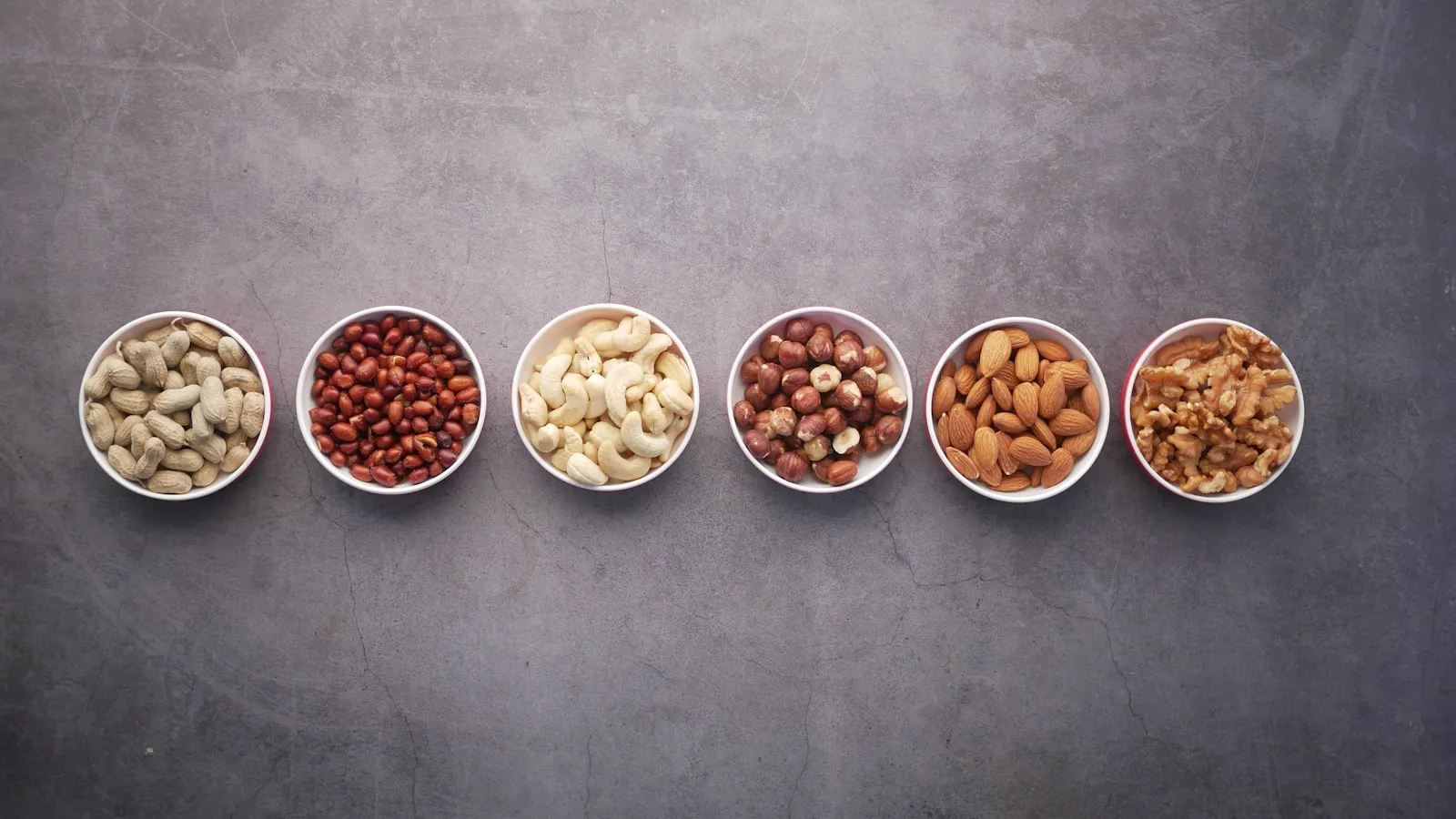
There is no proven Hashimoto diet. No eating pattern has been demonstrated to treat the autoimmune condition itself. What does exist: a handful of small studies on individual components, and a mountain of internet advice that sounds far more certain than the studies behind it.
That gap is worth naming. Search the Dutch results and within three clicks you will read that you must drop gluten, dairy and nightshades. As though that were settled.
It is not.
What is the Hashimoto diet?
The Hashimoto diet is not official nutritional guidance but an umbrella name for elimination patterns circulating online. Usually gluten-free, often dairy-free too, sometimes with nightshades, grains or legumes removed. Some versions lean on the autoimmune protocol, a strict elimination form of paleo.
The reasoning is always the same: less provocation of the immune system means less attack on the thyroid. That is a plausible thought. Plausible is not the same as demonstrated.
The Dutch Voedingscentrum recognises no separate thyroid diet and applies the same principles to people with a thyroid condition as to everyone else. That is not indifference, it reflects how thin the evidence is.
What should you not eat with Hashimoto?
There is no food you must avoid by definition with Hashimoto. Two things do keep appearing in research: very high iodine intake can work out badly in susceptible people, and very high doses of selenium are undesirable. The rest of the elimination lists rest on experience and theory, not on trials.
Below is what seems to me the fairest overview: claim by claim, what actually sits underneath.
| Claim | What the research shows | How solid |
|---|---|---|
| Going gluten-free lowers antibodies | One small pilot in unmedicated women saw lower antibodies; not repeated in larger research | Weak |
| Cutting dairy helps | No randomised research in Hashimoto | No evidence |
| Nightshades worsen inflammation | No human research in Hashimoto | No evidence |
| Selenium lowers anti-TPO | Cochrane found signals but called the evidence incomplete and the clinical benefit unclear | Uncertain |
| Extra iodine is good for your thyroid | With an autoimmune thyroid, plenty of iodine may work against you | Opposite |
| Soy blocks your medication | Can affect levothyroxine absorption when taken close together | Relevant to timing |
| Brassicas are dangerous for your thyroid | Only at extreme raw intake alongside iodine deficiency | Not practically relevant |
That last row about brassicas is a neat example of a real mechanism becoming a myth. Raw brassicas contain compounds that can inhibit iodine uptake at extreme intake. That was described in people eating kilos of raw cabbage a day. Not in someone having broccoli twice a week.
Does going gluten-free help with Hashimoto?
In Hashimoto without coeliac disease, the evidence for going gluten-free is thin. There is one small Polish pilot among women not yet on thyroid medication, in which several months of a gluten-free pattern went along with lower thyroid antibodies (Krysiak et al., 2019). It was a small group and the finding has not been confirmed in larger research.
There is one group where the conversation runs differently: women who have coeliac disease alongside Hashimoto. That combination occurs more often than chance explains. In coeliac disease, eating gluten-free is not a lifestyle choice but the core of treatment.
That makes the distinction matter. If you are considering going gluten-free, the order is relevant: coeliac testing becomes unreliable once you have already dropped gluten. What gets measured and why is in coeliac disease blood testing and in the gluten intolerance test.
That is the practical tip I did not find in a single Hashimoto diet article, and it is the only one that can genuinely cost you something if you do it the wrong way round.
Do Brazil nuts work for your thyroid?
Brazil nuts are the richest natural source of selenium, and selenium plays a role in the thyroid. A single Brazil nut often supplies more selenium than an adult needs in a day. That makes them interesting, and it also makes overdoing it easier than with any other food.
The arithmetic is the striking part. The Voedingscentrum works with a daily requirement of roughly 70 micrograms of selenium for adults. One Brazil nut often contains more than that, and the content varies enormously with the soil the tree grew in.
So a handful a day is not an innocent health habit. EFSA maintains an upper intake level for selenium, and several Brazil nuts daily can approach or exceed it. Too much selenium over time produces brittle nails, hair loss and a garlicky breath.
Say you eat three Brazil nuts every morning, which at an average content already puts you at roughly 200 micrograms of selenium a day. Your daily requirement is about 70 micrograms. Add a multivitamin and you are well past it, while thinking you were doing something healthy.
I find that a neat illustration of how nutritional advice can flip. The same article that recommends Brazil nuts against hair loss can, with daily use, produce exactly that hair loss.
If you want to know where you sit, selenium is simply measurable in blood. Our marker page on selenium explains what the value represents.
Does selenium help with Hashimoto?
Selenium is the best studied part of this whole subject, and the answer is still uncertain. A Cochrane review of selenium supplementation in Hashimoto concluded that the evidence was incomplete and that it remained unclear whether patients felt clinically better for it (van Zuuren et al., 2013). Some studies did see lower anti-TPO.
Lower antibodies sound good. Whether it changes your symptoms is a separate question, and that one is unanswered.
What complicates it: selenium only adds something if you are short of it. Serious deficiency is uncommon in the Netherlands. Supplementing without knowing where you sit is mostly guessing. Discuss it with your GP before taking anything, certainly alongside thyroid medication.
Our article on supplements for hormone balance takes the same line on the rest of the shelf.
How much iodine do you need with a thyroid condition?
Iodine is the building block of thyroid hormone, so a shortage is unfavourable. With an autoimmune thyroid, though, more is not better. In population research a high iodine intake goes along with more thyroid autoimmunity, which is exactly the wrong direction.
In the Netherlands iodine comes mainly from baker's salt in bread, from dairy and from fish. The Gezondheidsraad has set reference values for it. For most people who eat bread, intake is adequate.
The practical conclusion: kelp tablets and iodine supplements are precisely the sort of product to be careful with in Hashimoto. Thuisarts.nl advises against using iodine supplements on your own initiative.
So what can be said about food and Hashimoto?
The honest answer: food probably does not change the autoimmune condition, but it can affect the symptoms around it. A slow thyroid often runs alongside low ferritin, low vitamin B12 or low vitamin D. Those are shortages that produce symptoms resembling Hashimoto, and they can be followed properly.
That, to me, is where the gain sits. Not in dropping tomatoes, but in catching an iron deficiency that has been running for two years.
In women with heavier periods that is the most common scenario. Our article on iron-rich foods gives the sources, and iron deficiency without anaemia explains why your haemoglobin can be normal while your ferritin is not.
Beyond that, the same applies as to everyone: eat varied, get enough protein, get enough fibre. Dull advice, but it is the advice that holds up.
What to discuss with your GP
If you are considering an elimination diet, first discuss whether coeliac testing makes sense, because it becomes unreliable once you drop gluten. Ask too whether your ferritin, vitamin B12 and vitamin D are known, since those often explain more than the diet you are weighing up.
If you already take thyroid medication, mention every supplement you use alongside it. Iron and calcium affect absorption, as we set out in levothyroxine side effects.
If you want to see where you stand before cutting anything, our Thyroid Complete looks at TSH, free T4, free T3 and anti-TPO, and the Iron Status at your iron stores. The background to this whole cluster is in our article on Hashimoto, and we wrote about weight separately in losing weight with an underactive thyroid.
Every blood test result includes a professional assessment from a BIG-registered doctor. For treatment decisions, discuss your results with your GP.
References
- van Zuuren EJ, et al. Selenium supplementation for Hashimoto's thyroiditis. Cochrane Database of Systematic Reviews, 2013. PMID 23744563
- Krysiak R, et al. The Effect of Gluten-Free Diet on Thyroid Autoimmunity in Drug-Naive Women with Hashimoto's Thyroiditis: A Pilot Study. Experimental and Clinical Endocrinology and Diabetes, 2019. PMID 30060266
- Ralli M, et al. Hashimoto's thyroiditis: An update on pathogenic mechanisms, diagnostic protocols, therapeutic strategies, and potential malignant transformation. Autoimmunity Reviews, 2020. PMID 32805423
- Voedingscentrum, information on selenium and iodine
- Gezondheidsraad, dietary reference values for iodine and selenium
- EFSA, tolerable upper intake level for selenium
- Thuisarts.nl, information on iodine and supplements
شاهد Lunarahealth أكثر في Google
أضِفنا كمصدر مُفضّل. سيعرض Google حينها مقالاتنا بشكل أكثر تكرارًا في نتائج بحثك وفي ملخّصات الذكاء الاصطناعي. يمكنك إيقاف ذلك في أي وقت.
لم تنجح العملية. حاول مرة أخرى.
الكاتب
Lunarahealth
Dr. Naimi، طبيب مسجل في سجل BIG الهولندي، يشرف على المعايير الطبية لمحتوانا وتقييماتنا. اقرأ سياستنا الطبية
فحوصات ذات صلة
مقالات ذات صلة
Thyroid and your period: how your thyroid shapes your cycle

Thyroid hair loss: why it happens and when your hair comes back