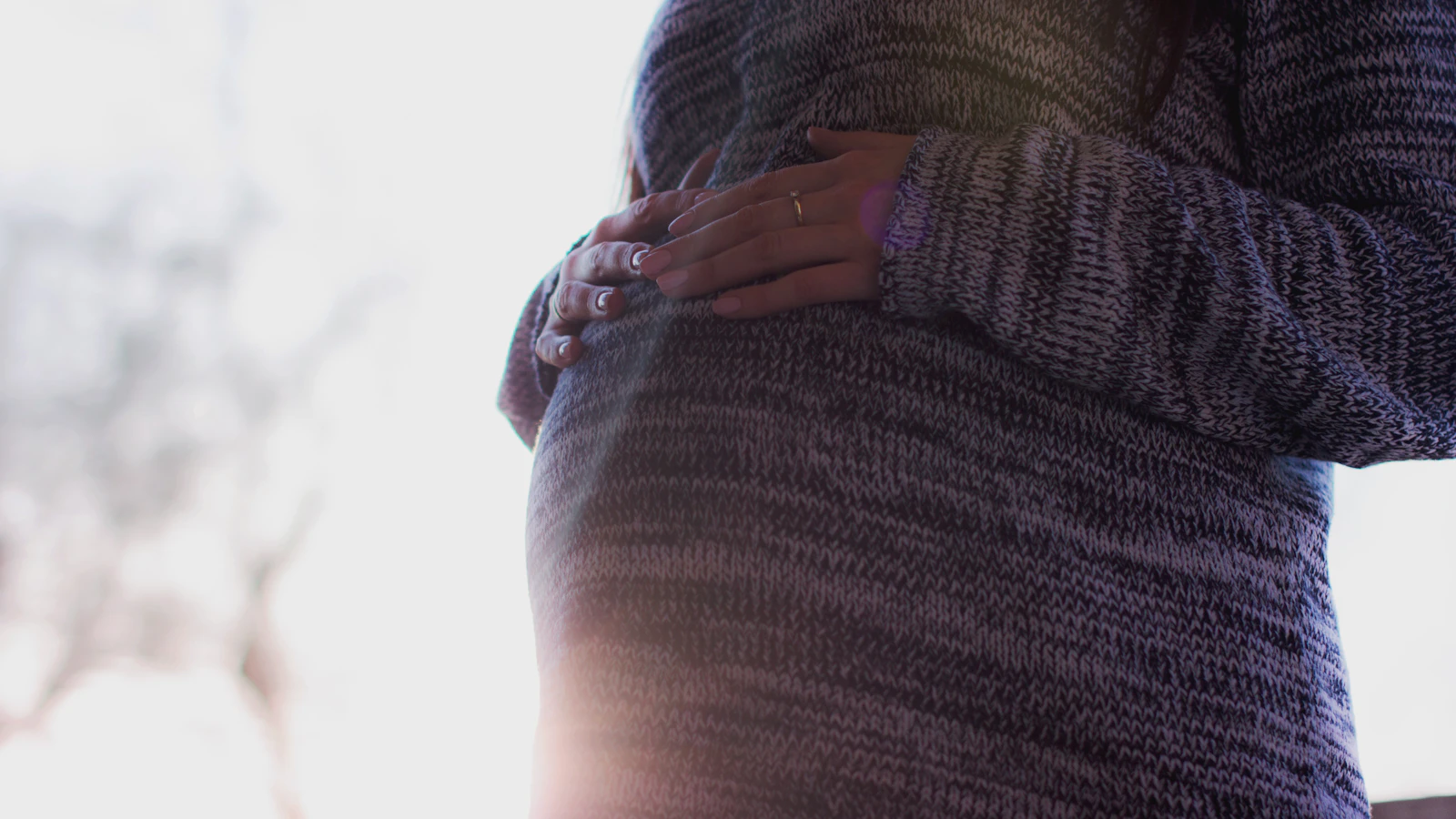
Hair loss after birth frightens many women, while it is almost always temporary. Around two to four months after the birth, clumps of hair end up in your brush or shower drain, right as you are getting used to motherhood. This postpartum hair loss belongs to a normal hormone shift and recovers in most women within six to twelve months.
Still, it is good to know when it is more than usual. If it lasts a long time or is really heavy, a low iron or thyroid value can play a part. Below I explain how it works and which blood values can clarify something.
Why do you lose hair after birth?
Postpartum hair loss is caused by the sharp drop in your oestrogen after birth. During pregnancy the high oestrogen keeps more hairs in the growth phase, so your hair often looks fuller. After birth a larger group of hairs switches to the resting phase at once, and those fall out a few months later. This is called telogen effluvium.
So it is not real baldness, but a catch-up of hairs that would normally have fallen out spread over time. You do not lose more hair than you make, it just comes together in a short period.
That is exactly why it feels so intense, while it is usually harmless.
When does it start and how long does it last?
The hair loss usually starts around two to four months after birth and is often clearest around the third month. In most women it then gradually eases and hair density recovers within six to twelve months. According to Thuisarts.nl this is a known and passing phenomenon.
You often see the loss most strongly around your hairline and temples. New, shorter hairs standing upright are actually a sign that your hair is growing back.
If the loss continues unabated after a year, that is a reason to look further.
When is it more than normal postpartum hair loss?
Sometimes more is going on than just the hormone shift. A low ferritin (your iron store) and a thyroid that is off balance can amplify or prolong hair loss. Both are more common after a birth: iron through the blood loss, the thyroid through postpartum thyroiditis. The table below helps you tell them apart.
| Situation | What it can mean | Blood value that can look along |
|---|---|---|
| Loss around 3 months, eases after | Probably telogen effluvium (normal) | Usually no test needed |
| Loss persists after 12 months | Something else may be involved | Ferritin, TSH |
| Also tired, pale, breathless | Can point to iron shortage | Hb, ferritin |
| Also palpitations or sluggishness | Watch the thyroid | TSH, free T4 |
This table is a tool to organise, not a diagnosis. If you recognise yourself in the lower rows, a targeted blood value can help you further, together with your GP.
Which blood values can you test with hair loss?
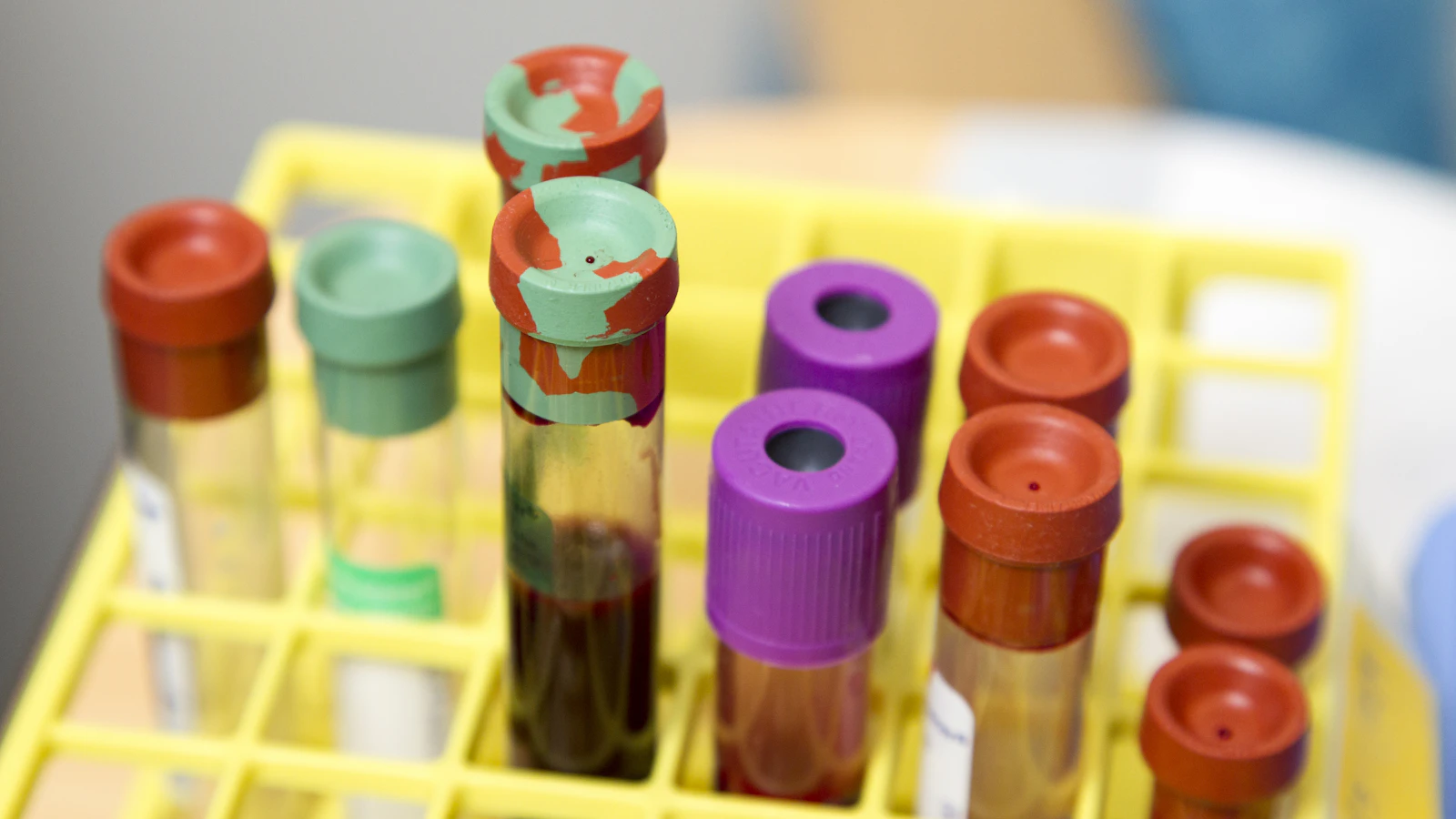
The two values most often linked to hair loss are ferritin and TSH. Ferritin shows how large your iron store is, which can be low after a birth. TSH gives a first impression of your thyroid. You can have them drawn at Lunara without a referral.
For your iron you can use the Iron Status test, which looks at Hb, ferritin and iron. If you want your thyroid to look along, the Thyroid Complete test brings TSH and free T4 into view, among others. Which one is useful for you depends on your other symptoms.
We discuss the link between iron and hair in more detail in iron deficiency and hair loss in women. For the broader picture of hormones and hair, read hair loss in women: which hormones.
This article belongs to our overview of recovery after birth. If fatigue also plays a part, see fatigue after birth.
Frequently asked questions
Will my hair grow back after birth?
In most women it does. Hair density often recovers within six to twelve months after birth. Short, upright hairs along your hairline are a sign of new growth.
Does a supplement help against postpartum hair loss?
Only if there is a real shortage, for example of iron, can topping up be useful. Taking a supplement without a shortage usually does not help and is not without risk. Have your blood value checked first and discuss it with your GP.
Can breastfeeding affect the hair loss?
Breastfeeding itself does not cause the loss, which comes from the hormone drop. It does keep your hormones in a separate mode for longer. The hair loss belongs to the natural recovery, not to the feeding itself.
If I could give you one thing to take away: do not get a fright from those clumps around the third month, because for most women it is a phase that passes on its own. If it lasts past a year or you have doubts, have your ferritin and TSH look along and discuss the result with your GP.
References
- NHG and Thuisarts.nl. Hair loss (haaruitval). Dutch College of General Practitioners.
- RIVM. Pregnancy, birth and the postpartum period. National Institute for Public Health and the Environment.
- Voedingscentrum. Iron in the diet. Voedingscentrum.
Every blood test result through Lunara includes a professional assessment by a BIG-registered doctor. Blood testing through Lunara does not replace the regular postpartum check-ups. For treatment decisions, discuss your results with your GP or midwife.
الكاتب