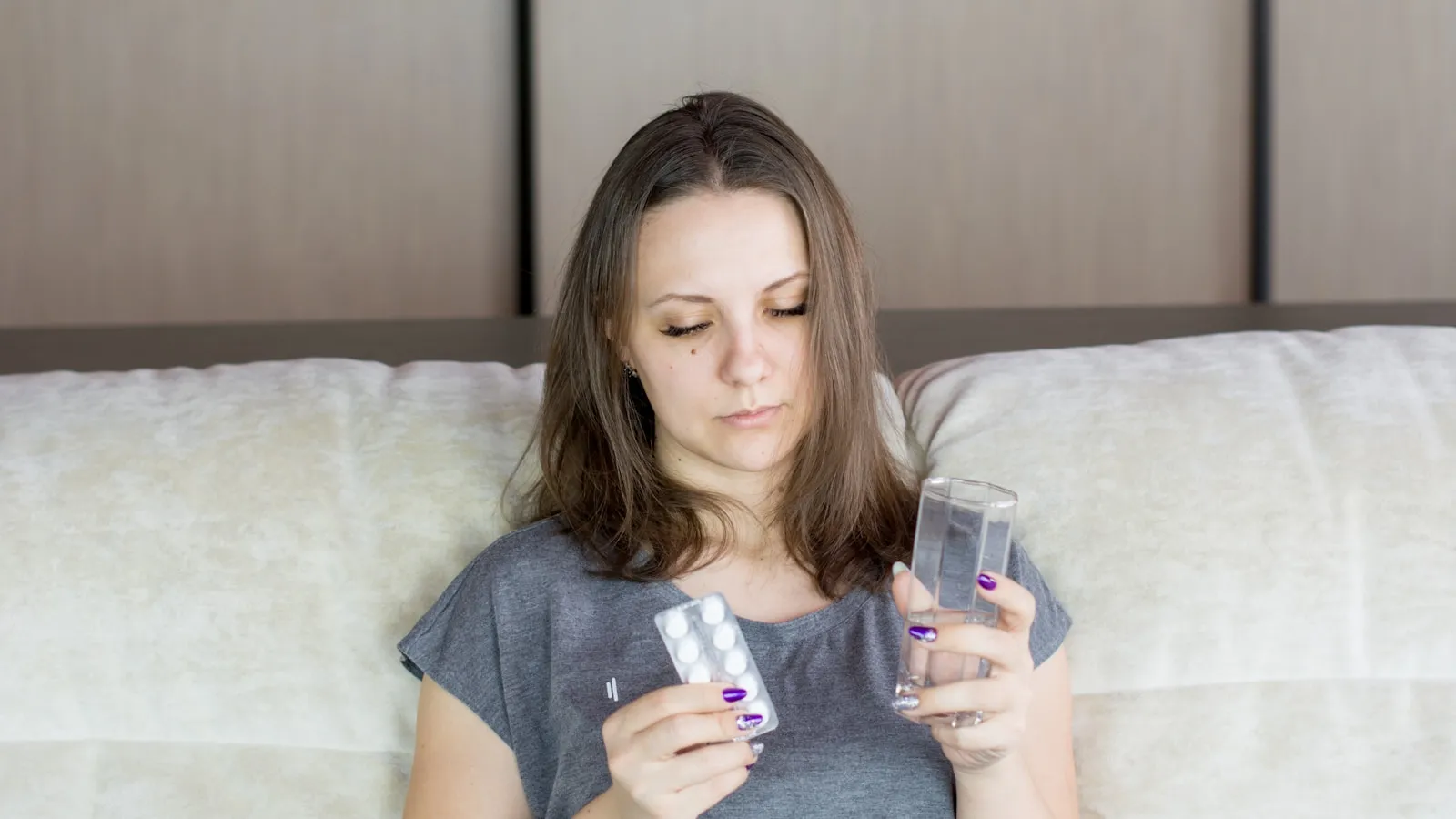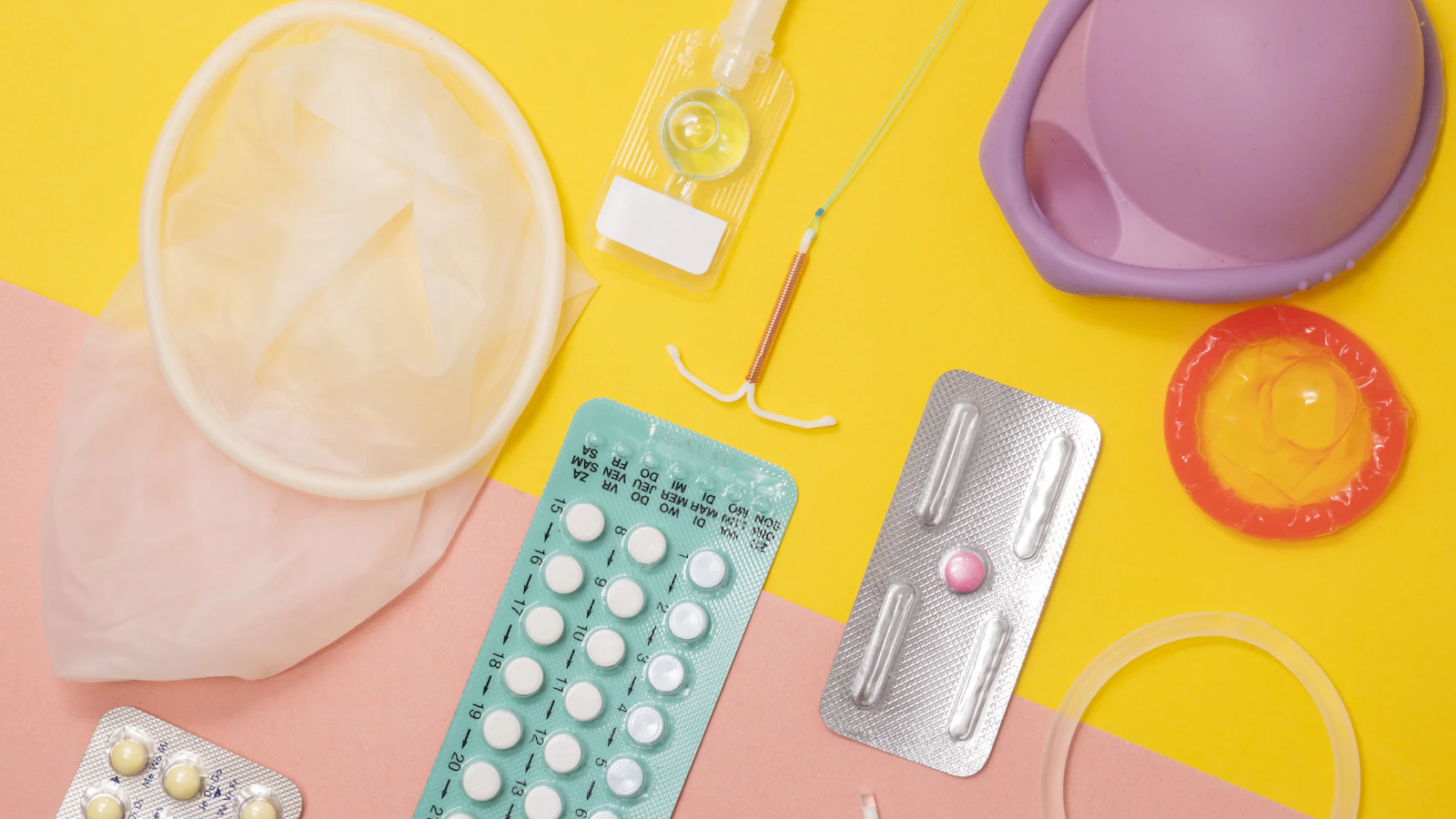
Female sterilisation experiences are more often about relief than regret: in the largest study on post-sterilisation regret, following over 11,000 women, the large majority were still comfortable with their choice after 14 years. But that average hides a sharp age line that almost never gets mentioned.
Under 30, the chance of regret was around 20 percent. Over 30, around 6.
I think you should see those two numbers side by side before walking into the conversation with your doctor. Not because either one describes you, but because they explain why doctors often hesitate with younger women, and why that hesitation isn't necessarily paternalism.
How do women experience sterilisation?
The common thread is calm: no more daily pill, no forgetting stress, no pregnancy scare after a late period. Some women describe more freedom in bed for exactly that reason. The procedure itself, usually keyhole surgery under general anaesthesia, leaves a few days of soreness in the belly and shoulder.
There's an emotional side too. The choice is permanent, and for some women that truly sinks in only after the operation. Women who doubted, or who chose during a turbulent period, describe this more often.
What does female sterilisation cost?
In the Netherlands sterilisation almost always falls outside basic health insurance, so you usually pay for it yourself. Clinic rates for laparoscopic sterilisation often sit somewhere between 1,500 and 3,000 euros; some supplementary policies cover part of it. For comparison: male sterilisation typically costs a few hundred euros.
So check two things before you book: your policy, and whether the clinic's rate is all-in, including anaesthesia and aftercare.
How likely is regret?
From the American CREST study of 11,232 sterilised women: measured over 14 years, about 12.7 percent expressed regret at some point. Age at the time of the procedure was by far the strongest predictor (PMID 10362150).
| Situation at sterilisation | Chance of regret (14 years) |
|---|---|
| Age 30 or younger | about 20 percent |
| Older than 30 | about 6 percent |
Regret was also more common among women who chose shortly after childbirth or around a relationship breakup. The lesson isn't that young women shouldn't choose sterilisation. The lesson is that timing and context weigh more heavily than how many children you already have.
If you first want a reversible alternative with the same hormone-free calm, the copper IUD is the logical comparison: it lasts 5 to 10 years. How it feels in practice is covered in copper IUD experiences.
Can sterilisation be reversed?
Sometimes, but don't count on it. A reversal operation is technically possible when enough healthy tube remains, but success rates vary widely, the operation is heavier than the sterilisation itself and isn't covered by insurance. If a future child is a serious possibility for you, a long-acting reversible method is honestly the better fit.
Also worth knowing: very rarely, pregnancy after sterilisation remains possible. In the CREST study it was roughly 1 in 200 women measured over ten years (PMID 8623843). Less than almost any other method, but not zero.
Do you gain weight after sterilisation?
There's no hormonal mechanism that would explain it. Sterilisation only closes off your fallopian tubes; your ovaries keep producing hormones and your cycle carries on. Weight change after the procedure tracks with what women gain in that life stage anyway, not with the sterilisation itself.
What can happen: women who stop the pill after years sometimes notice changes in fluid balance or skin. That's the pill's hormones disappearing, not the sterilisation. What happens after coming off the pill is covered in coming off the pill.
Does your cycle or your hormones change?
No, and this is measurable. Your FSH, estradiol and AMH come from your ovaries and your brain, not from your fallopian tubes. After sterilisation those values should be the same as before, and your period in principle stays as it was.
If symptoms like hot flushes or an irregular cycle appear years later, that's almost always ordinary perimenopause announcing itself, not a late effect of the procedure. Wondering where you stand hormonally? With the women's hormone blood test you can have values like FSH and estradiol measured, assessed by a BIG-registered doctor. How contraception relates to your hormones more broadly is covered in birth control and your hormones.
Thuisarts describes the procedure and the trade-offs neutrally; feel free to bring that page to the conversation with your GP.
Frequently asked questions
How long is recovery after sterilisation?
Most women are back at work within days to a week after keyhole surgery. Shoulder soreness from the surgical gas is normal and fades by itself.
Does sterilisation protect against STIs?
No. Sterilisation only prevents pregnancy. For STI protection a condom remains necessary.
Is sterilisation immediately reliable?
With the common techniques, yes; your doctor will tell you whether a check-up period applies in your case. Ask at the intake.
References
- Hillis SD, et al. Poststerilization regret: findings from the United States Collaborative Review of Sterilization. Obstet Gynecol. 1999;93(6):889-95. PMID 10362150.
- Peterson HB, et al. The risk of pregnancy after tubal sterilization: findings from the U.S. Collaborative Review of Sterilization. Am J Obstet Gynecol. 1996;174(4):1161-8. PMID 8623843.
- Trussell J. Contraceptive failure in the United States. Contraception. 2011;83(5):397-404. PMID 21477680.
- Thuisarts.nl, sterilisation information. Dutch College of General Practitioners (NHG).
Every blood test result includes a professional assessment from a BIG-registered doctor. For treatment decisions, discuss your results with your GP.
شاهد Lunarahealth أكثر في Google
أضِفنا كمصدر مُفضّل. سيعرض Google حينها مقالاتنا بشكل أكثر تكرارًا في نتائج بحثك وفي ملخّصات الذكاء الاصطناعي. يمكنك إيقاف ذلك في أي وقت.
لم تنجح العملية. حاول مرة أخرى.
الكاتب
Lunarahealth
Dr. Naimi، طبيب مسجل في سجل BIG الهولندي، يشرف على المعايير الطبية لمحتوانا وتقييماتنا. اقرأ سياستنا الطبية