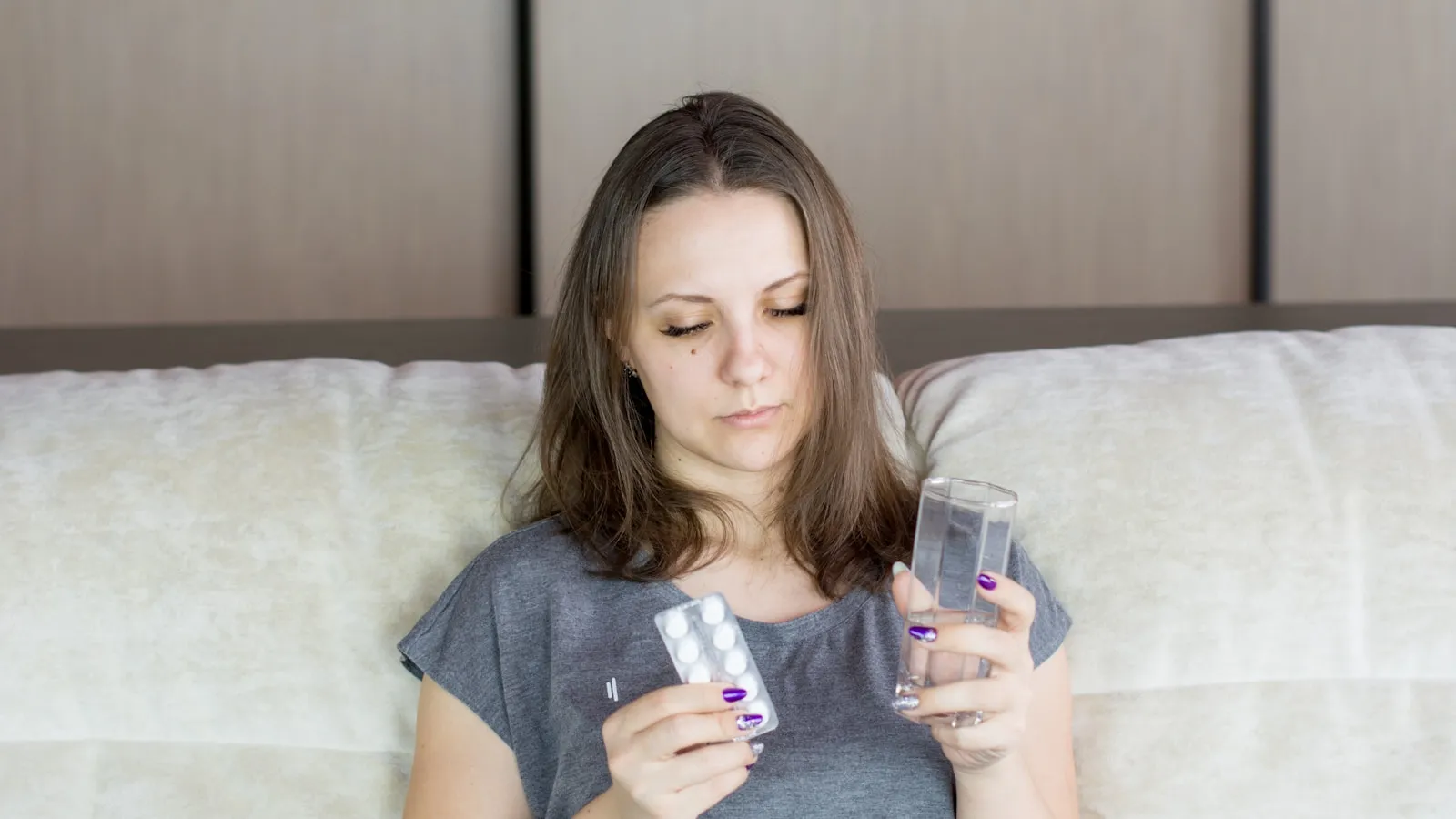
Hormonal IUD side effects are usually temporary. They cluster in the first three to six months: irregular bleeding, tender breasts, sometimes acne or headaches. After that the bleeding gets lighter for many women. For some it stops altogether. Levonorgestrel works mainly locally in the uterus. Your hormone levels in the blood therefore change less than they do on the pill.
I regularly get the question of what a hormonal IUD actually does to your hormones. Many women think it works just like the pill, while the difference lies precisely in where the hormone ends up. In this article you will read how the hormonal IUD works, which hormone it contains and what that means for your blood values and your cycle.
Want the bigger picture first? Then read our overview on birth control and your hormones.
What is a hormonal IUD and how does it work?
A hormonal IUD is a small T-shaped device that a GP, midwife or gynaecologist places in your uterus. It slowly releases the hormone levonorgestrel, mainly at the spot itself. So it works mostly locally in your uterus.
The hormone thickens the mucus in your cervix, which makes it harder for sperm to get through. It also keeps the lining of the uterus thin. That combination makes a pregnancy much less likely.
A hormonal IUD stays in place for three to eight years, depending on the type. According to Thuisarts.nl it is one of the most reliable forms of contraception. You do not have to do anything daily, which many women find convenient.
Which hormone is in the hormonal IUD?
The hormonal IUD contains levonorgestrel, a progestogen similar to the body's own hormone progesterone. It contains no oestrogen, unlike most combination pills. The hormone is released mainly in your uterus and only a small part reaches your bloodstream.
That is an important difference from the pill. With the pill you take hormones that reach your whole body through your stomach and intestines. With a hormonal IUD the action stays much more limited to the uterus.
Because it contains no oestrogen, a hormonal IUD can also be an option for women who cannot or do not want to use oestrogen. Whether that applies to you is something you discuss with your GP.
Does the hormonal IUD change your hormone levels in the blood?
Because the levonorgestrel works mainly locally, the amount of hormone in your blood is relatively low. Your own hormone levels therefore usually change less than with the pill. Many women keep part of their own cycle, with ovulation and fluctuating hormones.
That does not mean nothing changes. In some women ovulation is still suppressed, especially at the start. How often that happens differs per person and can vary over time.
For your blood values this means that hormones such as estradiol and progesterone often still move in a recognisable pattern. A blood test during a hormonal IUD is therefore harder to interpret than with the pill. Always discuss an abnormal result with a doctor, who looks at your whole situation.
What are possible side effects?
The most common change is your bleeding. In the first months you may have irregular blood loss or spotting. After that your period often becomes much lighter, and in some women the bleeding stops altogether.
Some women also experience complaints such as headaches, tender breasts, mood swings or acne. According to the Farmacotherapeutisch Kompas these kinds of side effects do occur, but they are not present in everyone and differ strongly per person.
If you experience complaints that you link to the hormonal IUD, that is worth discussing. What you feel is real, even if not everyone experiences it. Your GP can think along with you about whether the IUD suits you.
Also read our explanation about the pill and side effects, because the trade-off is similar.
Hormonal IUD, copper IUD or pill: what is the difference?
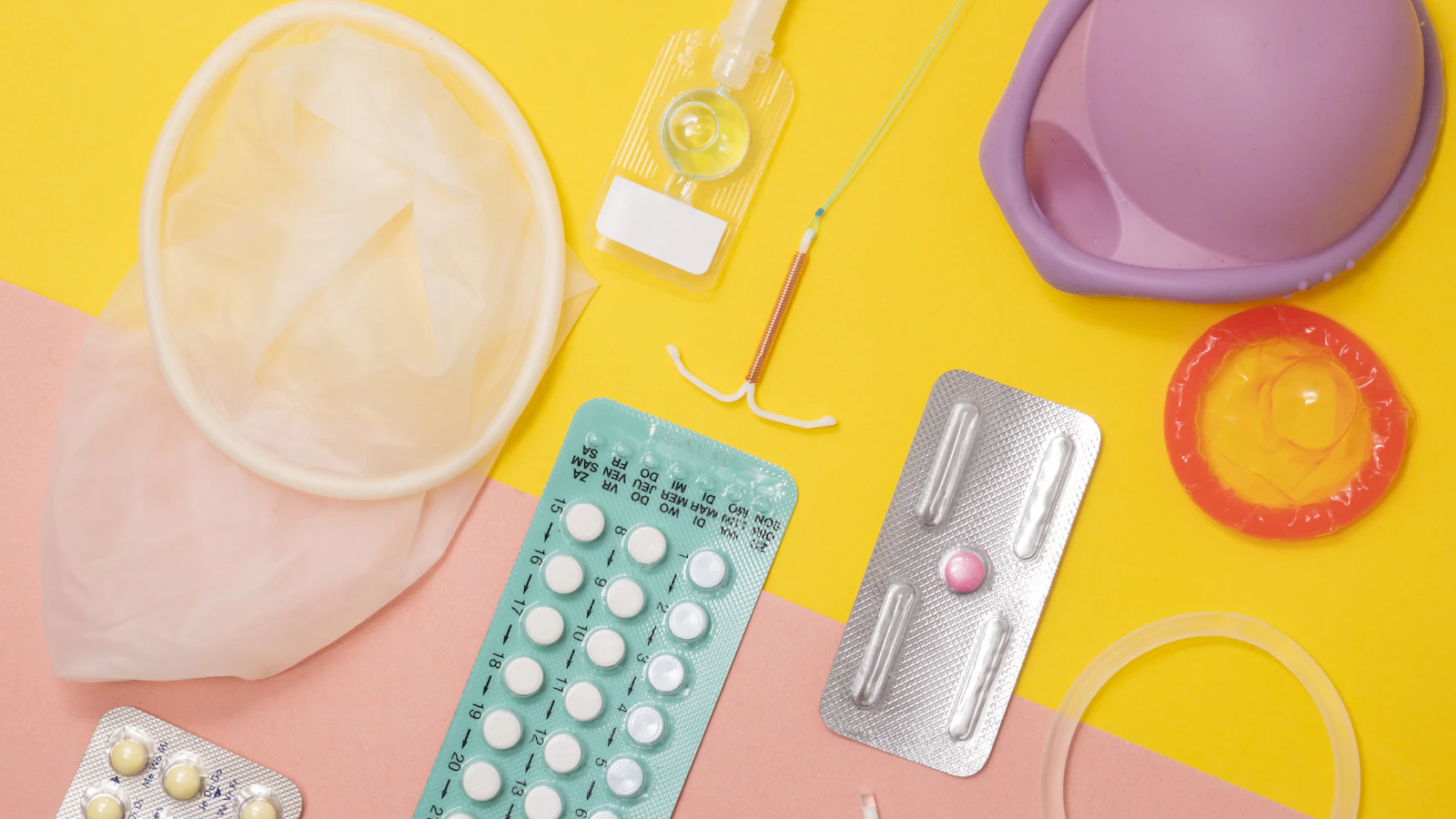
The hormonal IUD, the copper IUD and the combination pill differ mainly in which hormone they use and where it works. The hormonal IUD works mostly locally, the copper IUD uses no hormone at all and the pill works through your whole body. The table below lists the main differences.
| Method | Hormone | Works locally or systemically | Effect on your cycle |
|---|---|---|---|
| Hormonal IUD | Levonorgestrel (progestogen), no oestrogen | Mainly locally in the uterus | Lighter or absent bleeding, often part of own cycle kept |
| Copper IUD | No hormone (copper) | Locally in the uterus | Own cycle continues, bleeding may become heavier |
| Combination pill | Oestrogen and progestogen | Systemic, through your whole body | Suppresses ovulation, fixed withdrawal bleed |
In short: the copper IUD leaves your own cycle as undisturbed as possible, but can make your period heavier. The hormonal IUD often makes your bleeding lighter instead. The pill takes over your cycle the most.
Which method suits you depends on your health, your preferences and your complaints. There is no single method that is best for everyone. Your GP or gynaecologist helps you make that choice.
Testing your own hormones
Are you curious about your hormone levels, for example before having an IUD placed or after stopping another method? Then you can have your hormones measured at Lunara without a referral. The Hormones women test looks at estradiol and progesterone, among others.
Keep in mind that a hormonal IUD makes your blood values harder to interpret, because you often keep part of your own cycle. The moment in your cycle when you have blood drawn then matters. Have you just stopped the pill? Then also read our article on coming off the pill and hormone recovery.
A blood test is a starting point for a conversation, not a diagnosis on its own. You always discuss an abnormal or unclear result with your GP.
Frequently asked questions
Do I gain weight from a hormonal IUD?
Weight gain is sometimes mentioned, but a clear link has not been shown. Because the hormone works mainly locally, the effect on your whole body is limited. If you notice a change that worries you, discuss it with your GP.
Do I still ovulate with a hormonal IUD?
Often yes, but not always. Because the levonorgestrel works mainly locally, many women keep part of their own cycle with ovulation. In some women ovulation is still suppressed, especially at the start.
Can I reliably test my hormones with a hormonal IUD?
You can have your hormones drawn, but the result is harder to interpret. You often keep part of your own cycle, so the moment of the draw matters. Always discuss the result with a doctor.
How quickly am I fertile after the IUD is removed?
Your fertility usually returns quickly after the IUD is removed, often within a few weeks. Because you often already kept part of your own cycle, your body has to adjust less than after long-term pill use.
Is a hormonal IUD safe?
For most women a hormonal IUD is a safe and reliable form of contraception. As with any method there are pros and cons. Whether the IUD suits you is decided together with your GP or gynaecologist.
References
- Thuisarts.nl. I want an IUD. Dutch College of General Practitioners (NHG).
- NHG. NHG Guideline Contraception. Dutch College of General Practitioners.
- Farmacotherapeutisch Kompas. Levonorgestrel (intra-uterine). Zorginstituut Nederland.
Every blood test result through Lunara includes a professional assessment by a BIG-registered doctor. Blood testing through Lunara does not replace the advice of your GP or gynaecologist. For choices about contraception and treatment decisions, discuss your situation with your doctor.
شاهد Lunarahealth أكثر في Google
أضِفنا كمصدر مُفضّل. سيعرض Google حينها مقالاتنا بشكل أكثر تكرارًا في نتائج بحثك وفي ملخّصات الذكاء الاصطناعي. يمكنك إيقاف ذلك في أي وقت.
لم تنجح العملية. حاول مرة أخرى.
الكاتب
Lunarahealth
Dr. Naimi، طبيب مسجل في سجل BIG الهولندي، يشرف على المعايير الطبية لمحتوانا وتقييماتنا. اقرأ سياستنا الطبية