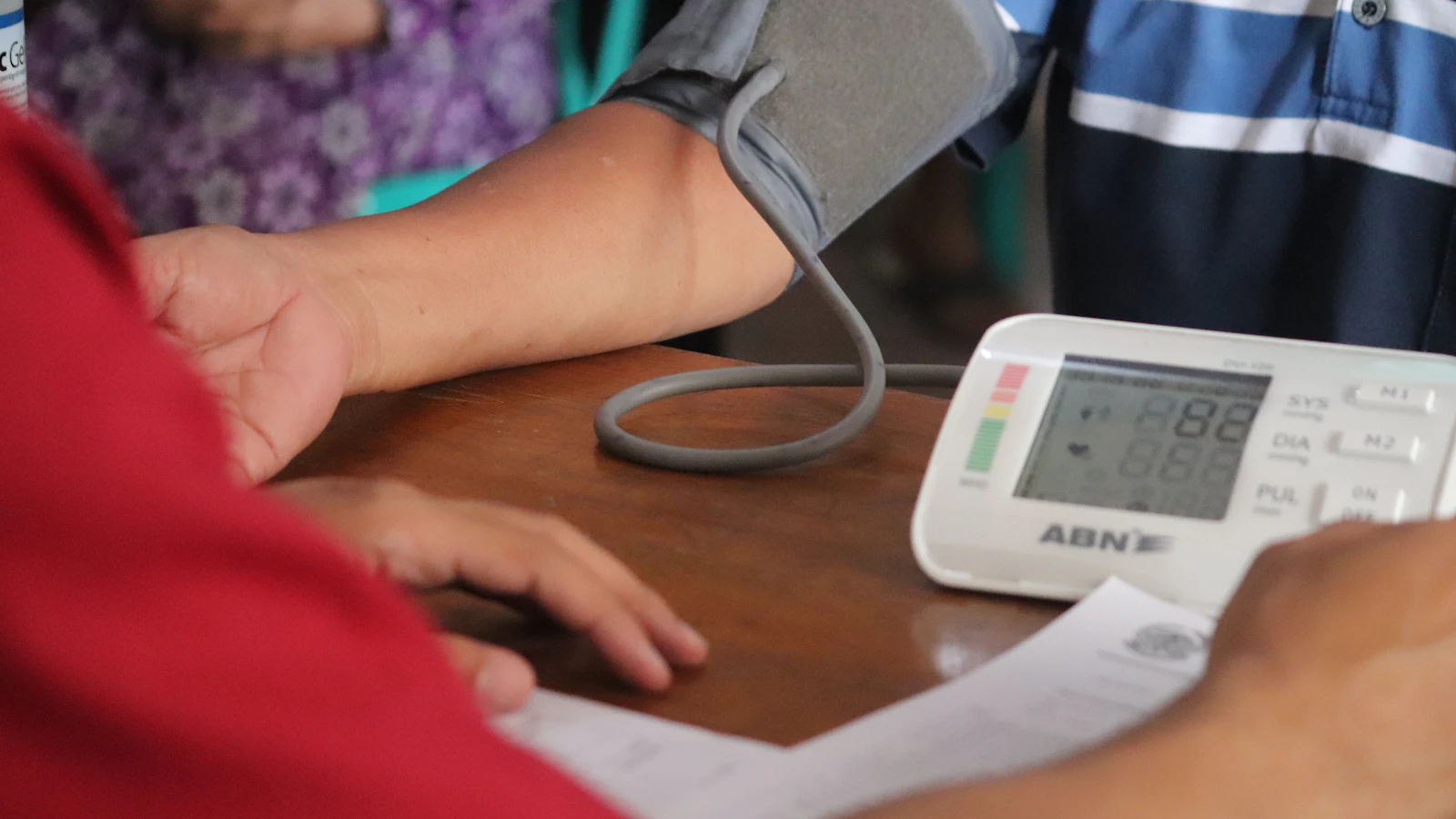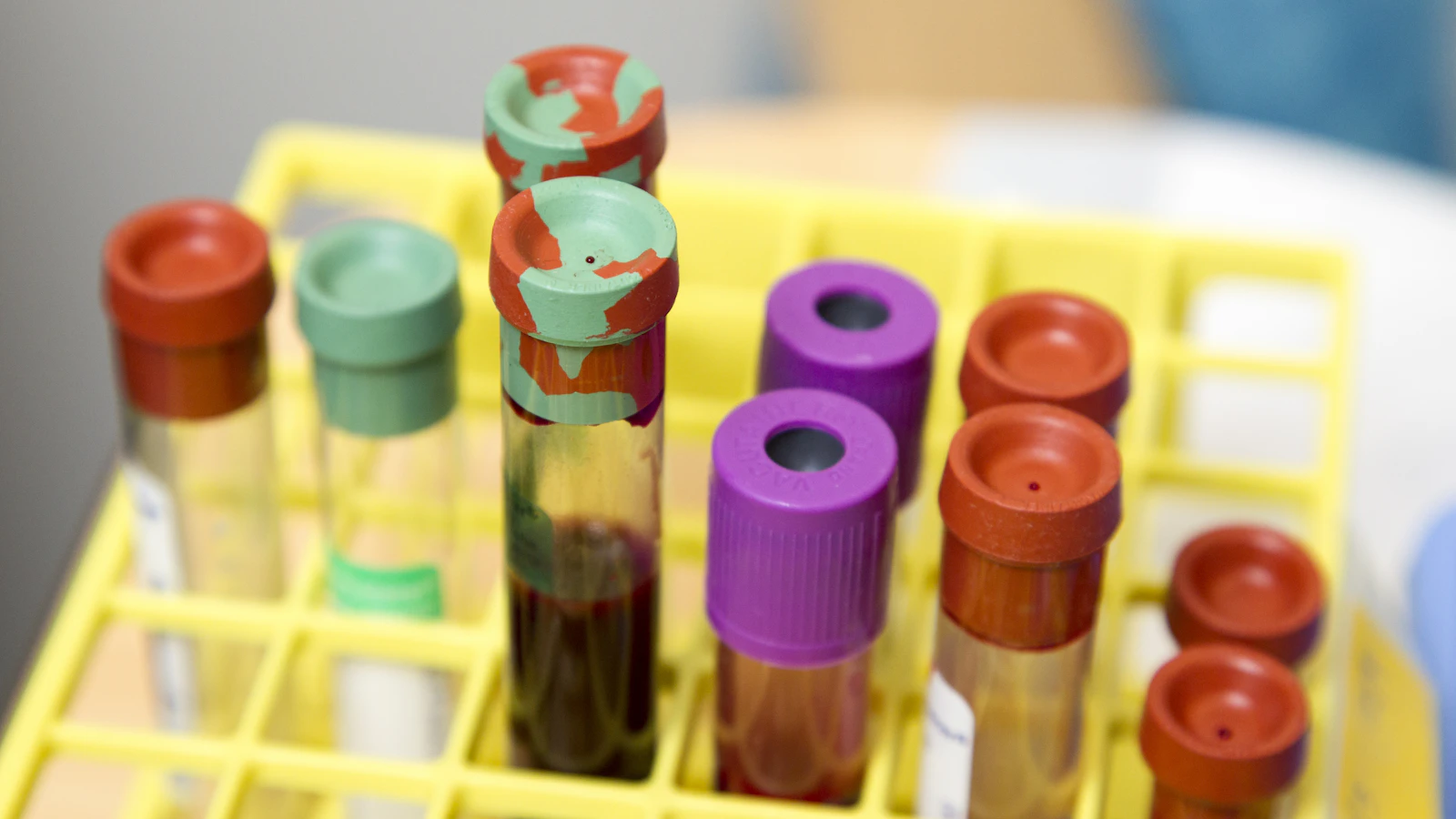
Preventive blood testing means having blood drawn without complaints, to keep an eye on your health. Sometimes that is worthwhile, sometimes it adds little. The honest summary: a test without reason does not automatically bring health gains.
That may sound odd from a testing provider, but I think it matters. A large Cochrane review of seventeen studies found that general health checks did not measurably lower mortality (Krogsbøll et al., 2019). Measuring is not a miracle cure.
At the same time there is another side. Some conditions run silently for years, and then a measurement can give an early signal. In this article you read when preventive blood testing for women can add value, and which values are then interesting.
Is preventive blood testing worthwhile?
That depends on your situation. For a young, healthy woman without complaints or risk factors, routine testing usually adds little. As you get older or have more risk factors, the balance can shift.
The Dutch health institute RIVM points out that a test also has downsides. An abnormal result that means nothing can lead to needless worry and follow-up testing. We call those false positives, and they are not rare.
So the art is not "measure as much as possible", but measure where it can yield something. For women around menopause, that value often sits in a few specific numbers.
Which blood values are interesting for women?
For women around and after menopause, a few values are extra relevant, because they can shift silently. Think of cholesterol, blood sugar and thyroid. These give a broad view of your heart, metabolism and energy.
The table below shows roughly what each value highlights.
| Value | What it roughly says something about |
|---|---|
| Cholesterol and triglycerides | cardiovascular health |
| Fasting glucose and HbA1c | blood sugar and diabetes risk |
| TSH | thyroid and energy |
| Ferritin and Hb | iron and anaemia |
| Vitamin D | bone and muscle support |
This is not a mandatory list, but a starting point. What fits you depends on your age, complaints and family history. Discuss that with your GP.
Why can early measuring sometimes help?
Some conditions build up slowly before you notice anything. Blood sugar is a good example. Prediabetes, an intermediate stage with slightly raised values, increases the risk of diabetes and is often present for years without complaints (Tabák et al., 2012).
Hereditary high cholesterol is another such silent issue. Familial hypercholesterolaemia occurs in about one in 250 people, but often goes unrecognised (Nordestgaard et al., 2013). For these people, early measuring can make a difference.
The pattern is always the same: where a condition runs silently and you can do something about it, a measurement can be useful. Where that is not the case, routine testing adds little.
Blood testing via the GP or on your own?
Both are possible. The GP usually tests in a targeted way for complaints or raised risk, and the costs then often fall under care. Thuisarts.nl gives reliable explanation about when that fits.
Having a test done yourself can be handy if you want a baseline without a direct reason, or do not want to wait. The downside is that you have to interpret the result yourself, unless guidance is included.
At Lunara every result is assessed by a BIG-registered doctor, so you see your numbers in context. You get a broad view with an extended health check; if you mainly want to look at your metabolism, a complete metabolic panel makes more sense.
How often should you test?
There is no fixed answer, and that is deliberate. The payoff of repeated measuring depends on your starting values, your age and your risk profile. Some people choose to measure periodically to see a line over time.
What does help is setting a baseline. If you have a set of basic values once, you can compare later. A single value says less than a value next to an earlier measurement.
Want to understand how your body is doing more broadly? Read our overview on healthy ageing for women, or on biological age. And specifically for the heart there is cardiovascular disease in women.
What do you do with your result?
See a result as a starting point, not a diagnosis. One abnormal value does not immediately mean something is wrong, and one good value is no guarantee. The context determines the meaning.
Have a value you do not trust? Take it to your GP and discuss what fits. Your GP can help you decide whether further steps are needed. Want to keep an eye on your blood sugar, then you can check individual values such as HbA1c.
Sources
- Krogsbøll LT, Jørgensen KJ, Gøtzsche PC. General health checks in adults for reducing morbidity and mortality from disease. Cochrane Database Syst Rev. 2019;1:CD009009. PMID 30699470.
- Tabák AG, Herder C, Rathmann W, et al. Prediabetes: a high-risk state for diabetes development. Lancet. 2012;379(9833):2279-2290. PMID 22683128.
- Nordestgaard BG, Chapman MJ, Humphries SE, et al. Familial hypercholesterolaemia is underdiagnosed and undertreated in the general population. Eur Heart J. 2013;34(45):3478-3490. PMID 23956253.
- RIVM. Preventive health screening. Available via rivm.nl.
- Thuisarts.nl. Blood testing. Available via thuisarts.nl.
Every blood test result at Lunara includes a professional assessment by a BIG-registered doctor. For treatment decisions, discuss your results with your GP.
الكاتب