Microgynon 30 experiences rarely sound spectacular, and that's exactly the point of this pill. It has existed since the seventies, contains the best-studied progestogen there is, levonorgestrel, and is often the first pill prescribed in the Netherlands.
Boring is a compliment here.
What strikes me reading through hundreds of user reviews: the complaints and the upsides are predictable. Stable bleeding and reliability on one side, occasionally oilier skin or low mood on the other. Below, why that profile follows logically from what's in it, and what the numbers 20, 30 and 50 actually mean.
Which hormones are in Microgynon 30?
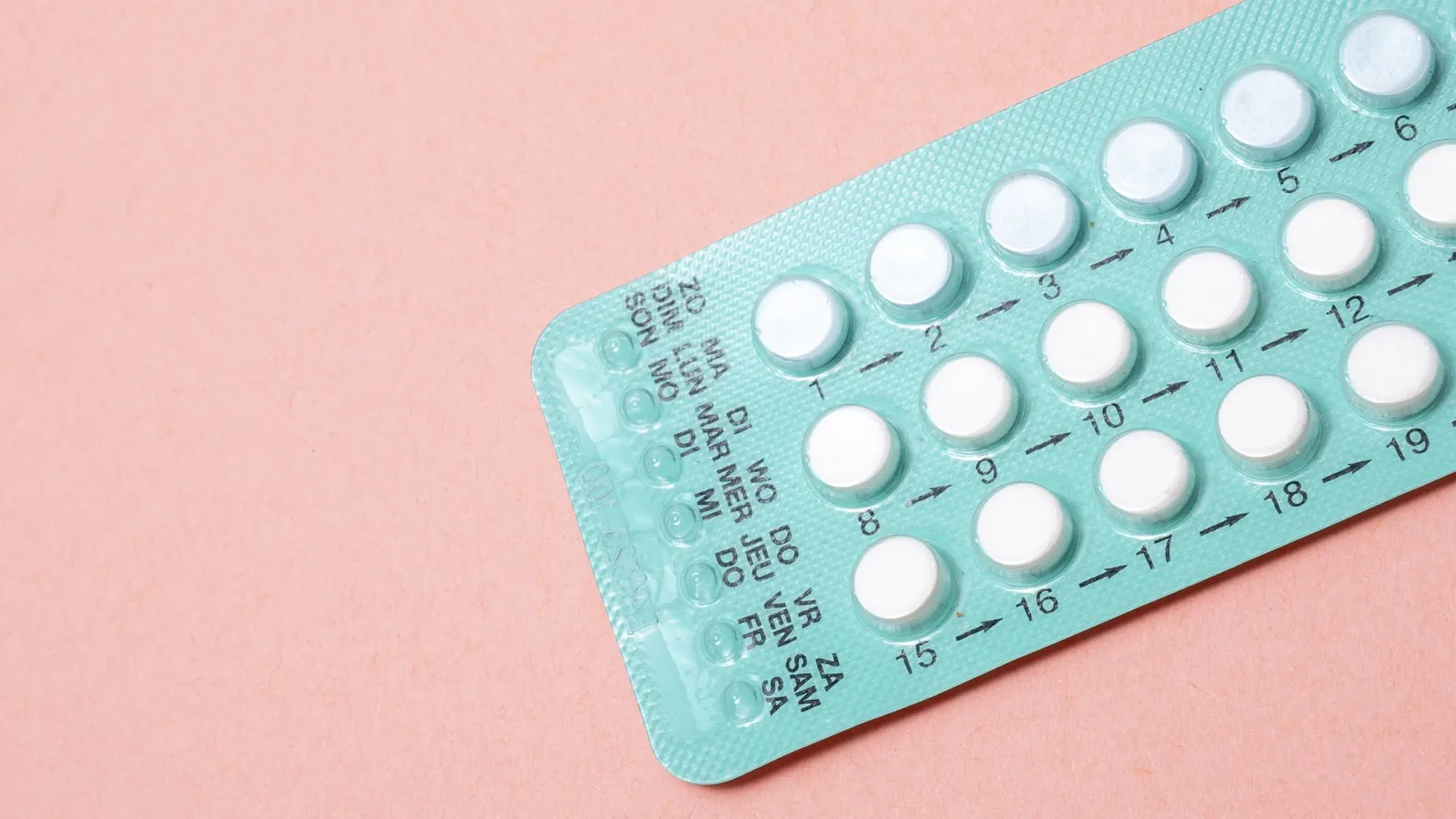
Each tablet contains 150 micrograms of levonorgestrel and 30 micrograms of ethinylestradiol. Together they switch off ovulation. You take 21 days and pause for seven, during which a withdrawal bleed arrives. Levonorgestrel is a second-generation progestogen with a mildly androgenic character: its action resembles testosterone slightly more than newer variants do.
That androgenic character explains two frequently mentioned experiences. Bleeding control is strong, with little breakthrough bleeding. And in some women the skin becomes a bit oilier or more restless, where an anti-androgenic pill like Yasmin does the opposite. That contrast is worked out in Yasmin pill experiences.
What do women report about Microgynon 30?
The common thread: you get used to it quickly and it's dependable. Many women take this pill for years without notable complaints and value the predictability most, lighter and regular bleeding first of all.
The flip side exists too. Tender breasts, headaches and nausea in the first months recur in the reports, as do mood complaints in a smaller group. Three months is a reasonable term to judge whether it settles; if complaints persist beyond that, it's worth a conversation with your GP. We wrote separately about the mood side in the pill and mood.
What is the difference between Microgynon 20, 30 and 50?
The number is simply the estrogen dose per tablet, in micrograms of ethinylestradiol. The progestogen is levonorgestrel in all three. More estrogen usually means tighter bleeding control but somewhat more estrogenic side effects; less estrogen the reverse.
| Variant | Ethinylestradiol | Levonorgestrel | In practice |
|---|---|---|---|
| Microgynon 20 | 20 micrograms | 100 micrograms | Lower dose, sometimes more spotting |
| Microgynon 30 | 30 micrograms | 150 micrograms | The standard variant |
| Microgynon 50 | 50 micrograms | 125 micrograms | Higher dose, for specific prescribed situations |
Take two sisters who both start on the 30. One still has tense breasts after month three and switches to the 20 in consultation, after which it settles but occasional spotting appears. The other notices nothing and stays on the 30 for years. Same pill, different balance: dose is personal.
What about thrombosis?
Every combined pill slightly raises the risk of venous thrombosis, but not every pill equally. In Lidegaard's large Danish cohort study, pills with levonorgestrel sat in the lowest risk group, while variants with desogestrel or drospirenone showed roughly double (PMID 22027398). That difference is a major reason many prescribers, in line with what Thuisarts and the Farmacotherapeutisch Kompas describe, start with a levonorgestrel pill.
The absolute risk remains small for most women. Signals to take seriously: a swollen painful leg, sudden shortness of breath or chest pain. Contact a doctor immediately if these occur.
What do you notice when you stop Microgynon?
Your own cycle usually returns within one to three months, but your own pre-pill pattern returns with it. If you started because of heavy or irregular periods, those often reappear. The pill doesn't make you infertile; fertility recovers after stopping.
What exactly happens in those recovery months, from your first ovulation to your skin, is covered in coming off the pill.
What does Microgynon do to your hormone results?
Ethinylestradiol makes your liver produce more SHBG, the protein that binds testosterone, so your free testosterone drops on paper (PMID 25604900). Test your hormones while taking Microgynon and you're partly measuring the pill instead of your own baseline. For a result that's truly about you, the timing of the test matters as much as the test itself.
If you want to know where you stand, for instance around a switch or after stopping, you can have values like testosterone, SHBG and estradiol measured with the women's hormone blood test, assessed by a BIG-registered doctor. The broader story is in birth control and your hormones.
Frequently asked questions
Can the pill make you infertile?
No. After stopping, fertility recovers; in most women ovulation returns within a few months. A longer irregular period afterwards is usually your own cycle re-establishing itself.
Can you skip the pill-free week on Microgynon?
Continuous use is common in practice and Thuisarts describes how it works. Whether it fits your situation is something to discuss with your GP.
What do you do about a missed pill?
Taking one forgotten tablet within 12 hours is usually no problem. If longer, follow the missed-pill schedule in the leaflet and use temporary extra protection if needed.
References
- Lidegaard Ø, et al. Risk of venous thromboembolism from use of oral contraceptives containing different progestogens and oestrogen doses. BMJ. 2011;343:d6423. PMID 22027398.
- Zimmerman Y, et al. Effect of combined oral contraceptives on SHBG and testosterone. Contraception. 2015. PMID 25604900.
- Trussell J. Contraceptive failure in the United States. Contraception. 2011;83(5):397-404. PMID 21477680.
- Thuisarts.nl and Farmacotherapeutisch Kompas, information on levonorgestrel combined pills.
Every blood test result includes a professional assessment from a BIG-registered doctor. For treatment decisions, discuss your results with your GP.
شاهد Lunarahealth أكثر في Google
أضِفنا كمصدر مُفضّل. سيعرض Google حينها مقالاتنا بشكل أكثر تكرارًا في نتائج بحثك وفي ملخّصات الذكاء الاصطناعي. يمكنك إيقاف ذلك في أي وقت.
لم تنجح العملية. حاول مرة أخرى.
الكاتب
Lunarahealth
Dr. Naimi، طبيب مسجل في سجل BIG الهولندي، يشرف على المعايير الطبية لمحتوانا وتقييماتنا. اقرأ سياستنا الطبية