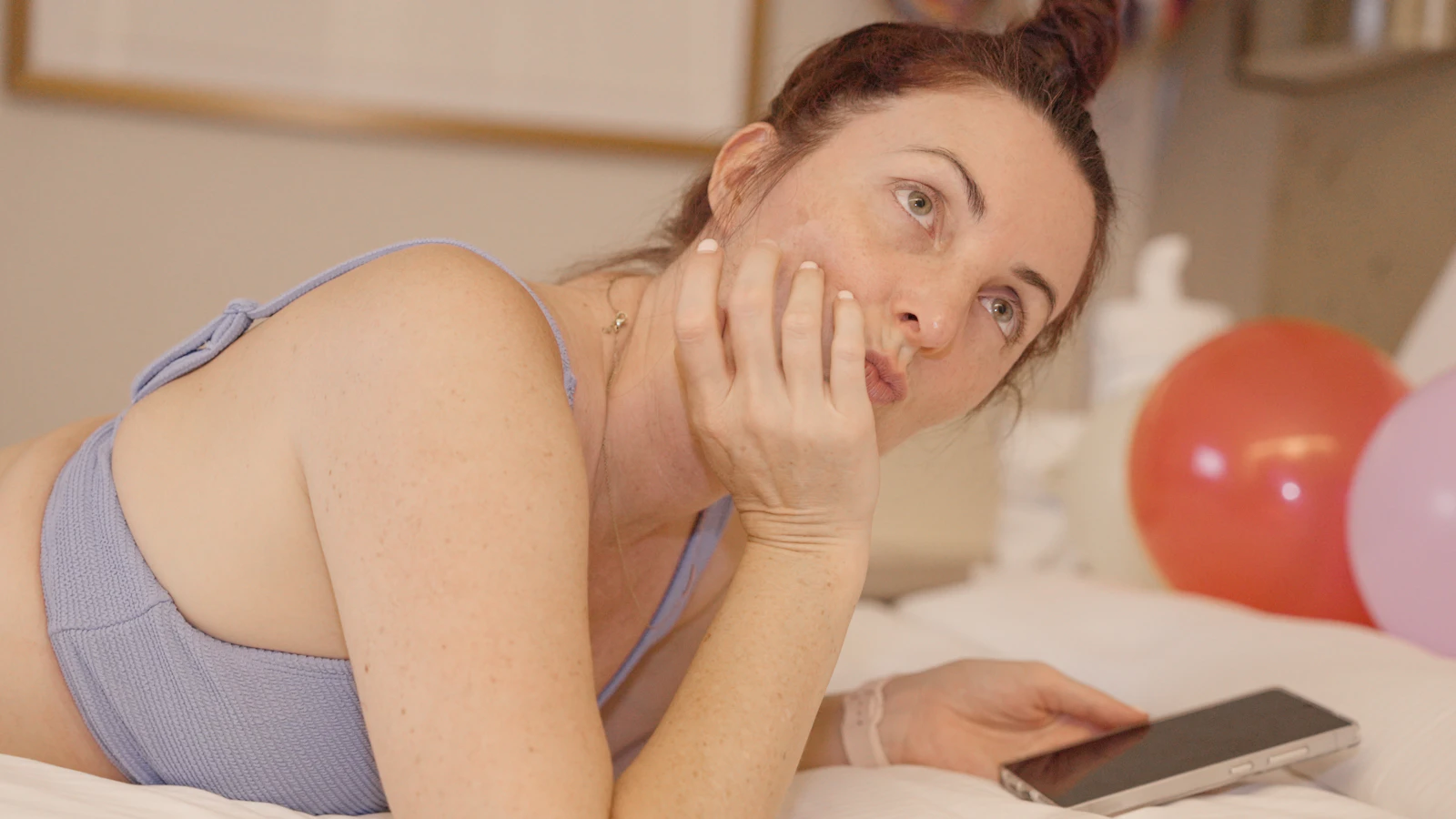
Cortisol is your main stress hormone, and with long-term stress it can stay too high. You often notice that through a combination of complaints: poor sleep, irritability, fat around the belly and low energy. Research links ongoing stress to at least 7 physical and mental signs that come back below.
This is the overview article in our cortisol and stress cluster. I notice that many women put their complaints down to a busy period, while the body has sometimes been in top gear for longer. Below you will read what cortisol does, which symptoms can fit a high cortisol, why chronic stress differs from a peak moment, and when a blood value can give direction.
What does cortisol do in your body?
Cortisol is a hormone your adrenal glands make, and it regulates your energy, blood sugar, blood pressure and your response to stress, among other things. It normally follows a fixed daily rhythm: high in the morning to get you going, low in the evening so you can wind down. In healthy people that rhythm is stable.
A short cortisol peak is actually useful. It helps you respond sharply and alertly when something is asked of you.
It becomes different when the peak no longer drops. With ongoing stress the system that regulates cortisol (the so-called HPA axis) can become disrupted, which flattens your daily rhythm. That seems to play a part in many of the complaints people with long-term stress experience.
What are the symptoms of a high cortisol?
The symptoms of a long-term high cortisol are often vague and overlap with other causes. Still, there is a pattern: it usually revolves around sleep, mood, weight and energy. Not everyone has all of them, and the severity differs greatly per person.
Complaints that often fit ongoing stress and a raised cortisol:
- Trouble falling asleep, or lying awake in the middle of the night with a restless mind
- Irritability, worrying or a short fuse
- Daytime fatigue, while you feel wired in the evening
- An increase in belly fat, sometimes despite the same lifestyle
- Strong cravings for sweet or salty food, especially late in the day
- Catching colds more often or recovering more slowly after an infection
- An irregular period or more trouble with your cycle
Many of these complaints also fit other causes, such as a thyroid problem, anaemia or menopause. That is exactly why a symptom alone says little. Unsure whether your fatigue comes from stress or something else? Then read which blood values to test for fatigue.
What is the difference between acute and chronic stress?
Acute stress is a short response to a trigger: a deadline, a near miss, a tense conversation. Your cortisol peaks, you perform, and then it drops again. That is healthy and even useful.
Chronic stress is something else. Here the pressure keeps going for weeks to months, without enough recovery in between. The body gets no chance to return to rest.
According to the Dutch GP guideline on overstrain and burnout (NHG-Standaard Overspanning en burn-out), long-term overload can lead to complaints that no longer pass on their own, such as ongoing fatigue, concentration problems and a feeling of losing control. The difference is therefore mainly in the duration and the recovery, not in a single heavy moment.
How does cortisol affect your other hormones?
Cortisol does not stand on its own. With ongoing stress it can disrupt the balance of your sex hormones and your thyroid too. That explains why stress and cycle complaints often appear together.
A few links that come back in research:
- A high cortisol can put pressure on the production of progesterone and oestrogen, which can make the cycle more irregular
- The ratio between cortisol and DHEA-S, another adrenal hormone, seems to say something about how your body handles long-term stress
- Stress also seems able to influence thyroid function, though that link is complex
Because these hormones influence each other, a single isolated value rarely gives the whole picture. Want to understand how your adrenals and your hormone balance connect? Then read our in-depth article on stress, the adrenals and your hormone balance.
Stress or menopause: how do you tell the difference?
Complaints of chronic stress and those of menopause look a lot alike: fatigue, poor sleep, mood swings and a changing cycle. That makes it hard to know where your complaints come from. Sometimes both play a part at once.
Age sometimes gives a hint, but it offers no certainty. Many women around menopause also have a busy stage of life with work and care.
A blood test can help to tell the two apart, for example by looking at your sex hormones alongside your cortisol. We wrote a separate article about it: menopause or burnout, how to tell the difference.
Which blood values give insight with stress?
No single blood value proves chronic stress on its own, and stress is not a diagnosis you make purely on a number. Still, a few values can help to rule out other causes and sketch your hormone picture. The table below links a complaint to the value that usually says the most about it.
| What you notice | Value that gives insight | What it shows |
|---|---|---|
| Restlessness, poor sleep, a wired feeling | Cortisol | The level of your main stress hormone (draw time matters) |
| Ongoing exhaustion after long stress | DHEA-S | The ratio with cortisol can say something about your adrenal balance |
| An irregular cycle alongside stress | Oestradiol + progesterone | Whether stress is disrupting your sex hormones too |
| Fatigue that looks like a thyroid problem | TSH | Rules out a slow thyroid as a cause |
Cortisol is sensitive to the moment of the draw. It is usually highest in the early morning, so a morning draw (around 8.00 to 9.00) gives the most useful value. This table is an aid, not a diagnosis.
Want a focused test? The Hormones Women panel measures cortisol and your sex hormones among others in one draw, so you see the whole pattern rather than one isolated number. You then discuss an abnormal result with your GP.
What can you do yourself about chronic stress?
Stress cannot always be avoided, but recovery can often be steered. According to Thuisarts.nl and the Dutch GP guideline on overstrain and burnout, enough rest and reducing the load is the first step. Small, fixed moments of relaxation seem to have more effect than an occasional big break.
What guidelines suggest can help:
- A regular sleep rhythm, with fixed times to go to bed and get up
- Daily exercise, preferably outdoors and not too late in the evening
- Deliberately building in short breaks, even on busy days
- Reducing the load where you can, and asking for help when it gets too much
Important: these steps do not replace medical care. If your complaints persist or you feel increasingly drained, discuss that with your GP. With ongoing overload or burnout, guidance is often needed.
Testing stress and cortisol through Lunara: how it works
You do not need a GP referral for a hormone test. You order online, book a slot at a draw location near you (there are over 750 in the Netherlands) and have blood taken in the morning. You receive your result digitally, usually within a few working days.
Every result gets context from a BIG-registered doctor, per value. So you know not only what your cortisol is, but what it can mean in your situation and whether a next step makes sense. Want to understand how your adrenals work under stress? Then read our article on stress, the adrenals and your hormone balance.
Frequently asked questions
Can a high cortisol be measured in blood?
Yes, cortisol can be measured in blood, but the moment of the draw matters a great deal. It is normally highest in the morning and lowest in the evening. A single value gives a snapshot; your doctor therefore always looks at the value together with your complaints.
Does stress always give a high cortisol?
Not always. With short-term stress cortisol can peak, but with long-term overload the daily rhythm can flatten instead. So a single value says little without context. A doctor assesses the picture as a whole.
When should I see my GP with stress complaints?
If your complaints last longer than a few weeks, affect your daily functioning, or you feel increasingly drained, a conversation with your GP is useful. With signs of overstrain or burnout, guidance is important.
References
- Dutch GP guideline on overstrain and burnout (NHG-Standaard Overspanning en burn-out). Dutch College of General Practitioners. Available via richtlijnen.nhg.org.
- Thuisarts.nl. I have overstrain or a burnout. Dutch College of General Practitioners. Available via thuisarts.nl.
- Melmed S, Auchus RJ, Goldfine AB, et al. Williams Textbook of Endocrinology. Elsevier. Chapter on the adrenal cortex and the HPA axis.
- Health Council of the Netherlands (Gezondheidsraad). Background on stress and health. Available via gezondheidsraad.nl.
Every blood test result through Lunara includes a professional assessment by a BIG-registered doctor. For treatment decisions, discuss your results with your GP.
الوسوم
الكاتب